Athira Pharma, Inc., 18706 North Creek Parkway, Suite 104, Bothell, WA, 98011, USA.
Neurotherapeutics. 2023 Mar;20(2):431-451. doi: 10.1007/s13311-022-01325-5. Epub 2022 Dec 20.
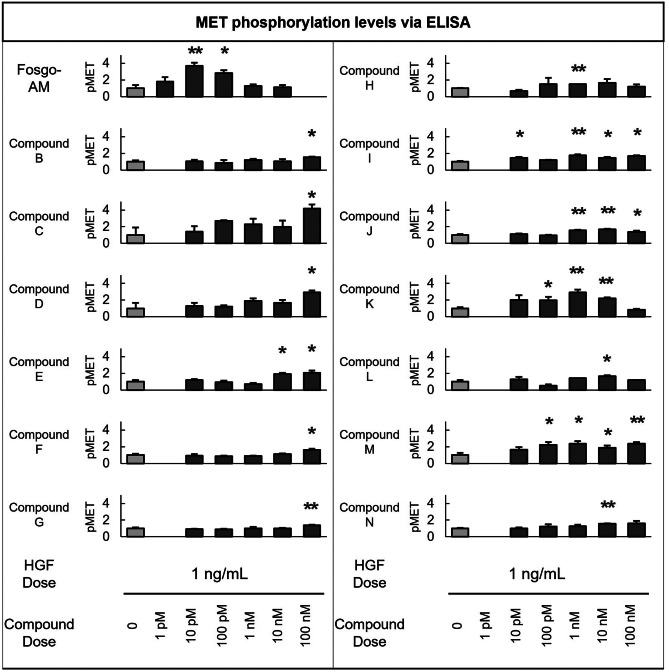
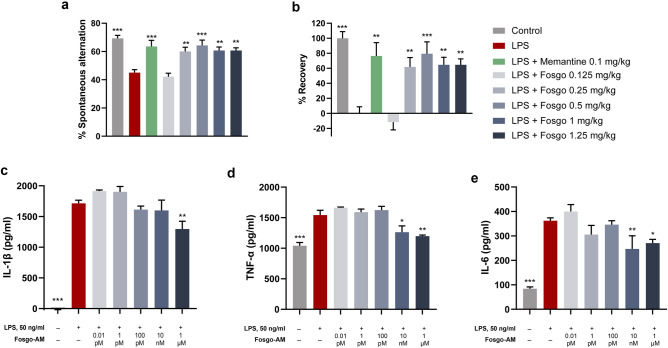
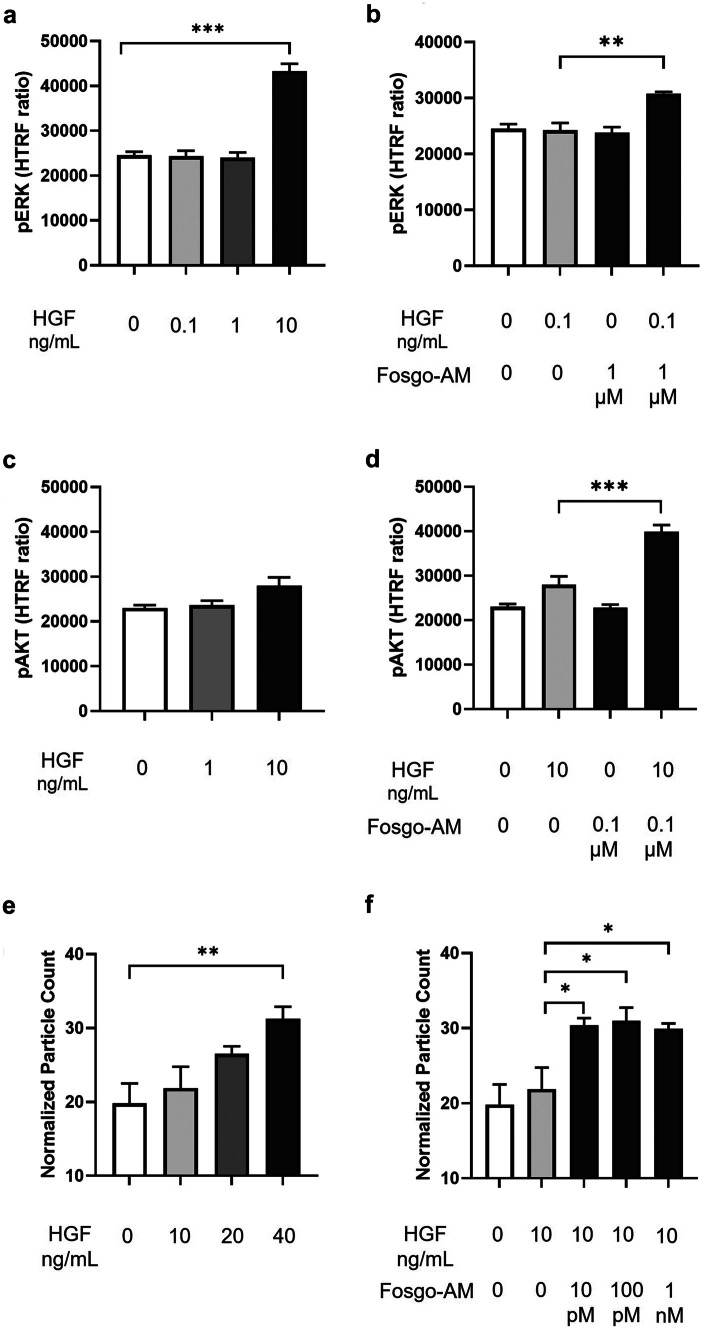
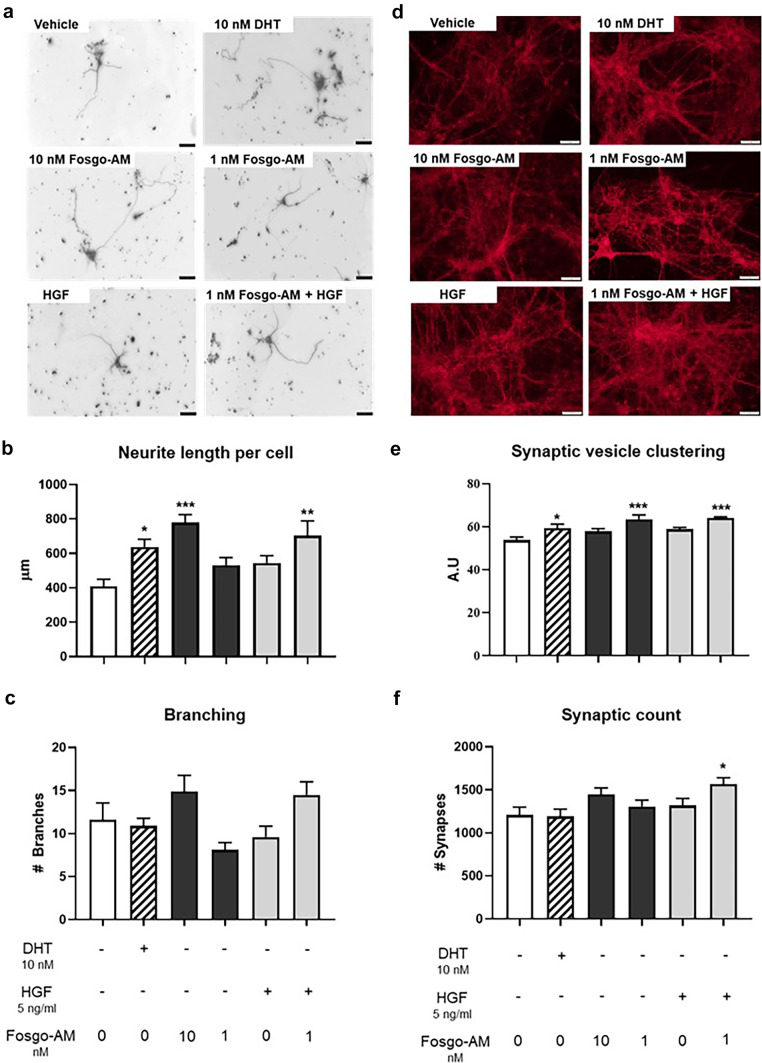
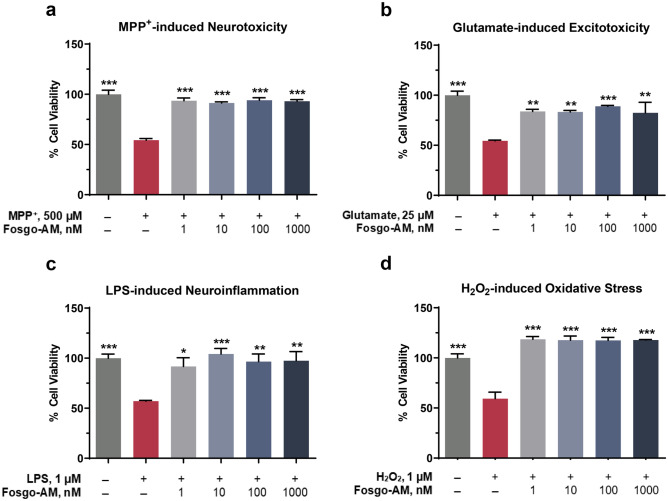
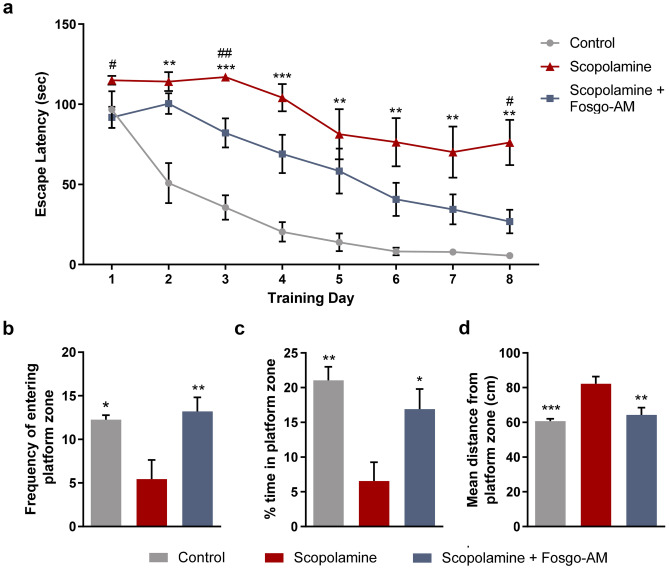
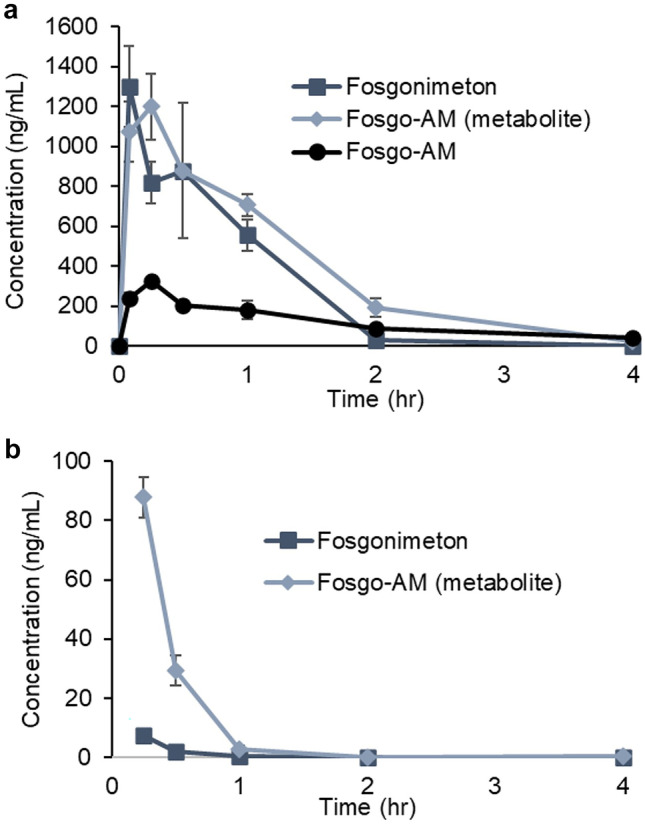
All types of dementia, including Alzheimer's disease, are debilitating neurodegenerative conditions marked by compromised cognitive function for which there are few effective treatments. Positive modulation of hepatocyte growth factor (HGF)/MET, a critical neurotrophic signaling system, may promote neuronal health and function, thereby addressing neurodegeneration in dementia. Here, we evaluate a series of novel small molecules for their ability to (1) positively modulate HGF/MET activity, (2) induce neurotrophic changes and protect against neurotoxic insults in primary neuron culture, (3) promote anti-inflammatory effects in vitro and in vivo, and (4) reverse cognitive deficits in animal models of dementia. Through screening studies, the compound now known as fosgonimeton-active metabolite (fosgo-AM) was identified by use of immunocytochemistry to be the most potent positive modulator of HGF/MET and was selected for further testing. Primary hippocampal neurons treated with fosgo-AM showed enhanced synaptogenesis and neurite outgrowth, supporting the neurotrophic effects of positive modulators of HGF/MET. Additionally, fosgo-AM protected against neurotoxic insults in primary cortical neuron cultures. In vivo, treatment with fosgo-AM rescued cognitive deficits in the rat scopolamine amnesia model of dementia. Although fosgo-AM demonstrated several procognitive effects in vitro and in vivo, a prodrug strategy was used to enhance the pharmacological properties of fosgo-AM, resulting in the development of fosgonimeton (ATH-1017). The effect of fosgonimeton on cognition was confirmed in a lipopolysaccharide (LPS)-induced neuroinflammatory mouse model of dementia. Together, the results of these studies support the potential of positive modulators of HGF/MET to be used as novel therapeutics and suggest the drug candidate fosgonimeton might protect against neurodegeneration and be therapeutic in the management of Alzheimer's disease and other types of dementia.
所有类型的痴呆症,包括阿尔茨海默病,都是使人衰弱的神经退行性疾病,其认知功能受损,目前治疗方法有限。对肝细胞生长因子(HGF)/MET 的正向调节是一种关键的神经营养信号系统,可能会促进神经元的健康和功能,从而解决痴呆症中的神经退行性问题。在这里,我们评估了一系列新型小分子化合物,以确定它们是否具有以下能力:(1)正向调节 HGF/MET 活性;(2)在原代神经元培养物中诱导神经营养变化和抵抗神经毒性损伤;(3)在体外和体内发挥抗炎作用;(4)逆转痴呆动物模型的认知缺陷。通过筛选研究,我们发现一种名为 fosgonimeton-active metabolite(fosgo-AM)的化合物在免疫细胞化学中被鉴定为 HGF/MET 的最有效正向调节剂,并选择其进行进一步测试。用 fosgo-AM 处理的原代海马神经元显示出增强的突触形成和神经突生长,支持 HGF/MET 正向调节剂的神经营养作用。此外,fosgo-AM 还可抵抗原代皮质神经元培养物中的神经毒性损伤。在体内,fosgo-AM 可挽救痴呆大鼠东莨菪碱健忘模型的认知缺陷。尽管 fosgo-AM 在体外和体内显示出多种认知改善作用,但采用前药策略增强了 fosgo-AM 的药理学特性,从而开发出 fosgonimeton(ATH-1017)。fosgonimeton 在脂多糖(LPS)诱导的痴呆神经炎症小鼠模型中的认知作用得到了证实。综上所述,这些研究结果支持 HGF/MET 正向调节剂作为新型治疗药物的潜力,并表明候选药物 fosgonimeton 可能具有神经保护作用,可用于治疗阿尔茨海默病和其他类型的痴呆症。