Iddagoda Janitha, Gunasekara Peshala, Handunnetti Shiroma, Jeewandara Chandima, Karunatilake Chandima, Malavige Gathsaurie Neelika, de Silva Rajiva, Dasanayake Dhanushka
Institute of Biochemistry, Molecular Biology and Biotechnology, University of Colombo, Colombo, Sri Lanka.
Allergy, Immunology and Cell Biology Unit, Department of Immunology and Molecular Medicine, University of Sri Jayewardenepura, Nugegoda, Sri Lanka.
Clin Mol Allergy. 2022 Dec 20;20(1):14. doi: 10.1186/s12948-022-00181-0.
Despite the low prevalence of IgE sensitivity to fresh or boiled coconut milk and coconut oil, those may contain allergens of which the clinical significance remains undetermined. This study aimed to identify and compare allergens in fresh coconut milk (FCM), boiled coconut milk (BCM), unrefined wet-processed coconut oil (WPCO), and dry-processed coconut oil (DPCO) using sera from patients with allergy to coconut milk.
The study included 18 patients with immediate hypersensitivity to coconut milk, including five who developed anaphylaxis. Sensitization was assessed by skin prick test and ImmunoCAPs using commercially available coconut extracts. Immunoblotting was performed to identify and compare allergen profiles.
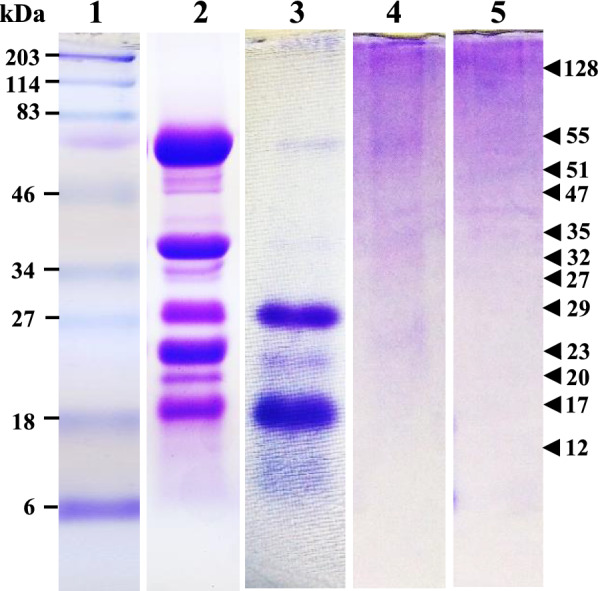
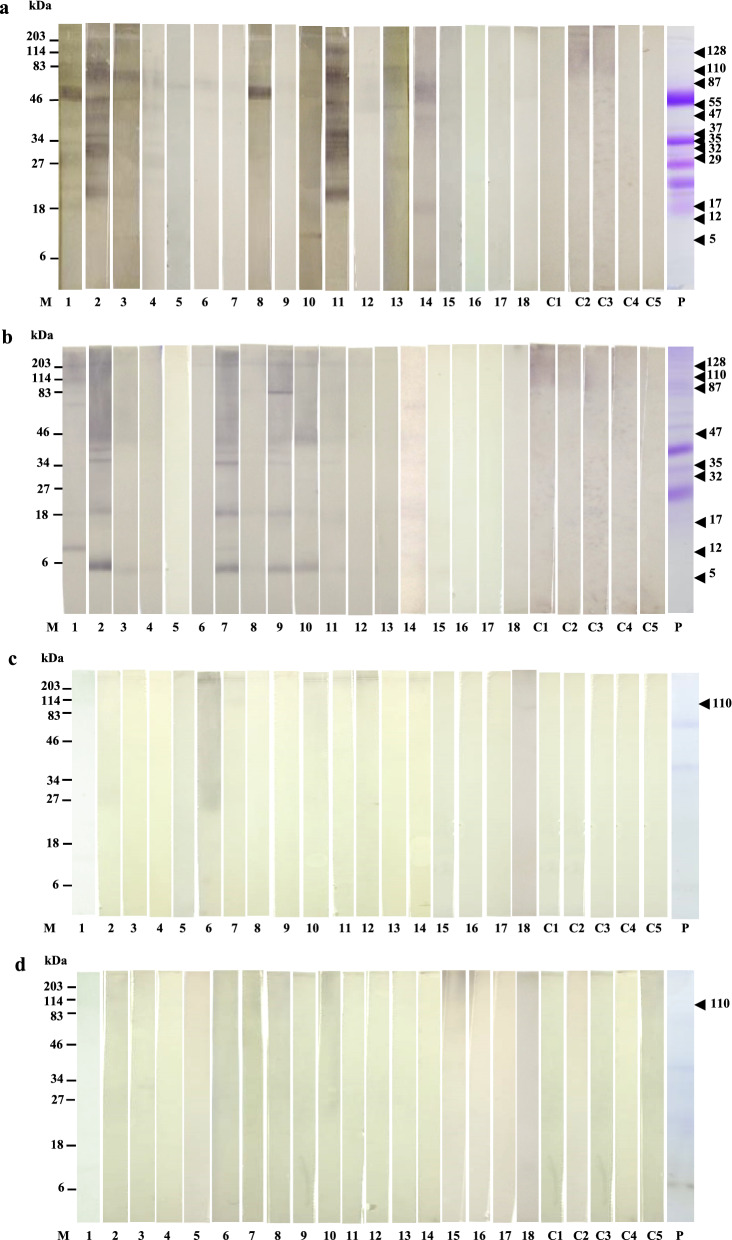
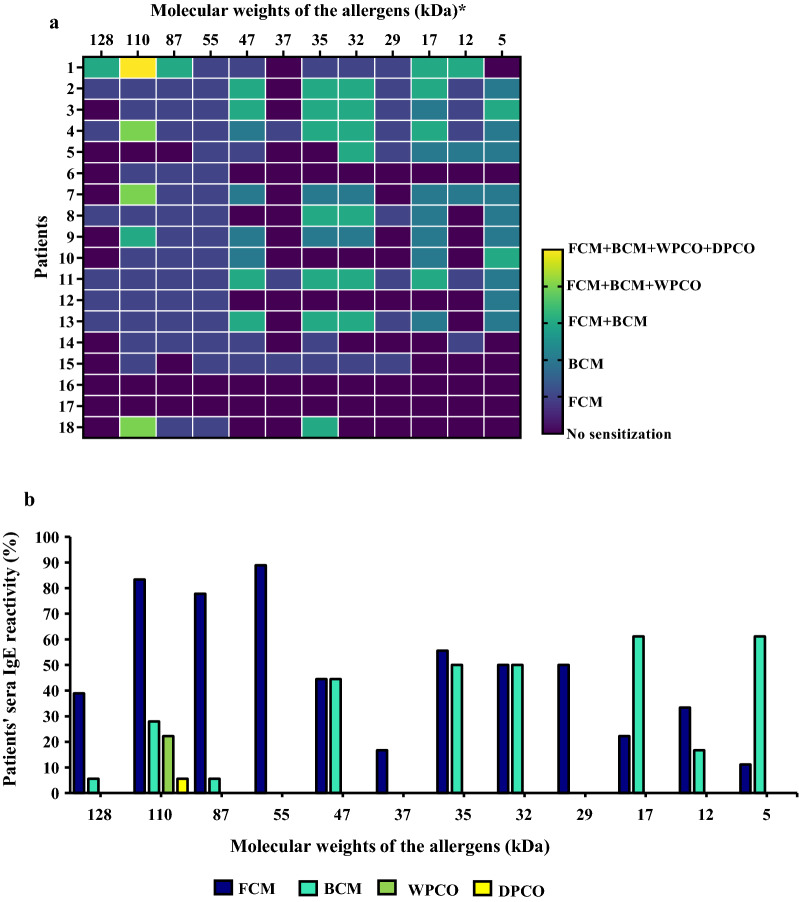
Total sIgE levels and overall IgE reactivity of patients with anaphylaxis were higher compared to patients with allergy. Twelve allergens ranging from 5 to 128 kDa including six novel allergens with 5, 12, 47, 87, 110, and 128 kDa were visualized in immunoblots with FCM. Similarly, nine allergens of 5, 12, 17, 32, 35, 47, 87, 110, and 128 kDa were detected in BCM. One allergen (110 kDa) was discerned in all four extracts. Higher IgE prevalence was detected with three allergens of 55, 87, and 110 kDa.
Allergens of BCM and unrefined coconut oil (WPCO and DPCO) were determined for the first time. Novel allergens of 87 and 110 kDa and the 55 kDa allergen have the highest potential to be used in Component Resolved Diagnostics. Further, these findings demonstrate that, patients who have an allergy to coconut milk could also react to boiled coconut milk and unrefined coconut oil.
尽管对新鲜或煮沸的椰奶和椰子油的IgE敏感性患病率较低,但它们可能含有临床意义尚未确定的过敏原。本研究旨在使用对椰奶过敏患者的血清,鉴定并比较新鲜椰奶(FCM)、煮沸椰奶(BCM)、未精炼湿法加工椰子油(WPCO)和干法加工椰子油(DPCO)中的过敏原。
该研究纳入了18例对椰奶有速发型超敏反应的患者,其中5例发生过过敏反应。通过皮肤点刺试验和使用市售椰子提取物的免疫捕获法评估致敏情况。进行免疫印迹以鉴定和比较过敏原谱。
与过敏患者相比,过敏反应患者的总sIgE水平和总体IgE反应性更高。在FCM的免疫印迹中可见12种分子量在5至128 kDa之间的过敏原,包括6种新的过敏原,分子量分别为5、12、47、87、110和128 kDa。同样,在BCM中检测到9种分子量为5、12、17、32、35、47、87、110和128 kDa的过敏原。在所有四种提取物中都识别出一种过敏原(110 kDa)。检测到三种分子量为55、87和110 kDa的过敏原具有较高的IgE患病率。
首次确定了BCM和未精炼椰子油(WPCO和DPCO)中的过敏原。87和110 kDa的新型过敏原以及55 kDa的过敏原在组分分辨诊断中具有最高的应用潜力。此外,这些发现表明,对椰奶过敏的患者也可能对煮沸的椰奶和未精炼的椰子油产生反应。