Unnithan Viswanath B, Beaumont Alexander, Rowland Thomas, George Keith, Sculthorpe Nicholas, Lord Rachel N, Bakhshi Andisheh, Oxborough David
Sport and Physical Activity Research Institute, Division of Sport and Exercise, School of Health and Life Sciences, University of the West of Scotland, Hamilton G72 0LH, UK.
School of Science, Technology and Health, York St. John University, York YO31 7EX, UK.
J Cardiovasc Dev Dis. 2022 Dec 6;9(12):438. doi: 10.3390/jcdd9120438.
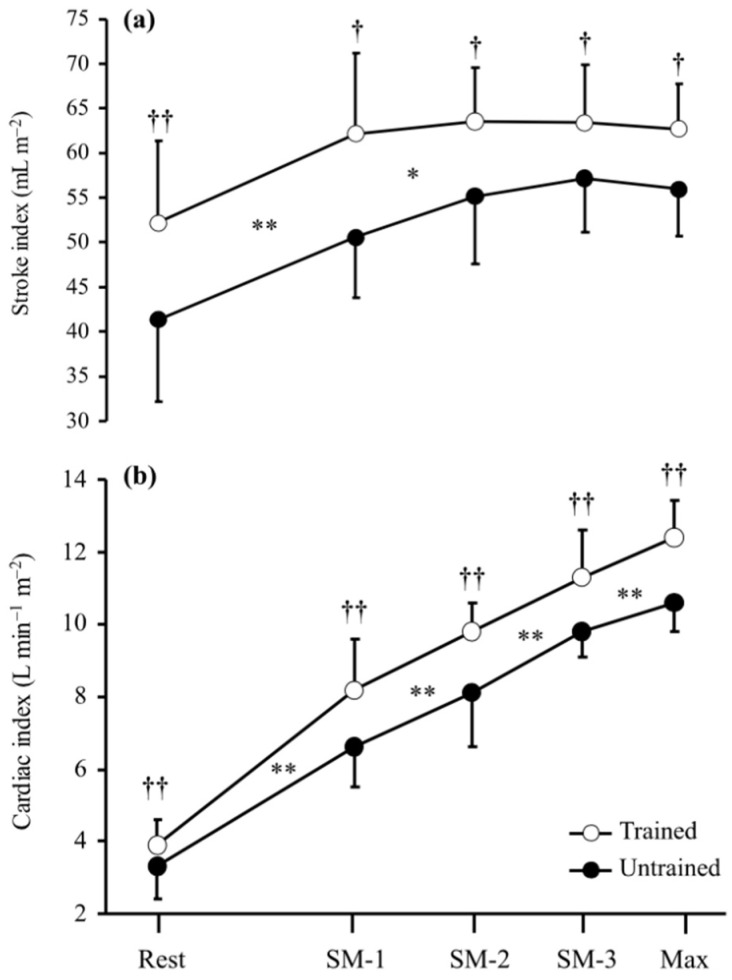
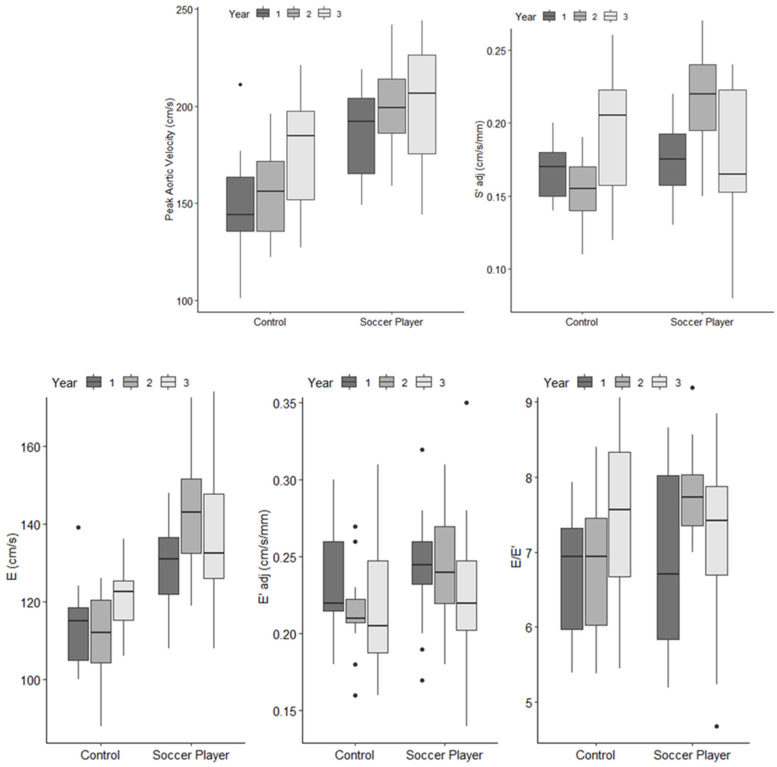
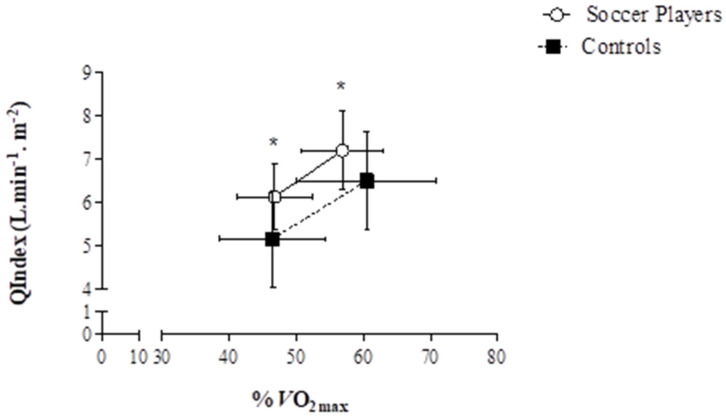
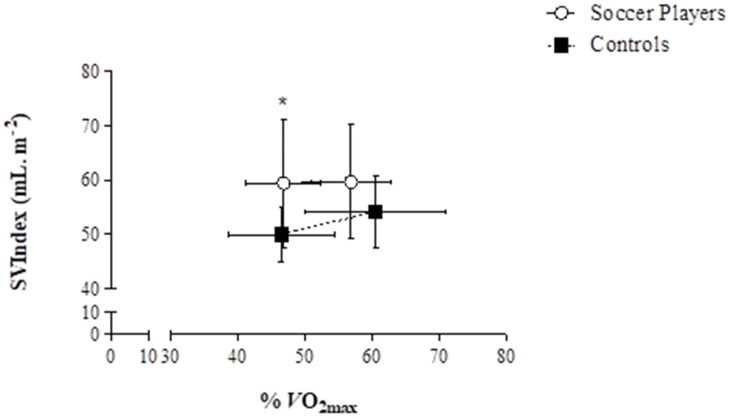
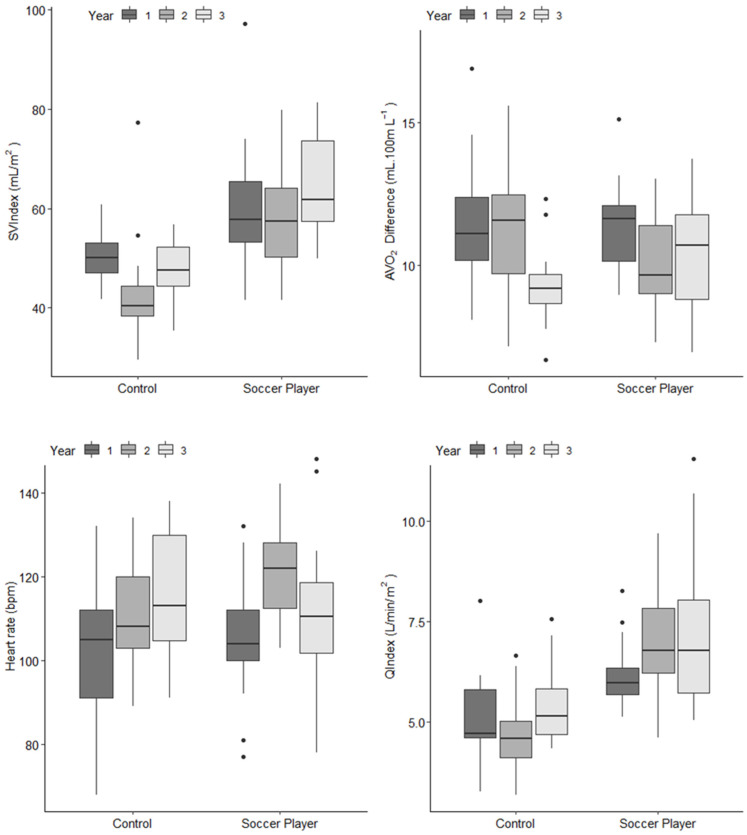
There is an increase in the prevalence of elite youth sports academies, whose sole aim is to develop future elite athletes. This involves the exposure of the child and adolescent athlete to high-volume training during a period of volatile growth. The large amount of data in this area has been garnered from the resting echocardiographic left ventricular (LV) evaluation of the youth athlete; while this can provide some insight on the functional adaptations to training, it is unable to elucidate a comprehensive overview of the function of the youth athletes' LV during exercise. Consequently, there is a need to interrogate the LV responses in-exercise. This review outlines the feasibility and functional insight of capturing global indices of LV function (Stroke Index-SVIndex and Cardiac Index-QIndex), systolic and diastolic markers, and cardiac strain during submaximal and maximal exercise. Larger SVI and QI were noted in these highly trained young athletes compared to recreationally active peers during submaximal and maximal exercise. The mechanistic insights suggest that there are minimal functional systolic adaptions during exercise compared to their recreationally active peers. Diastolic function was superior during exercise in these young athletes, and this appears to be underpinned by enhanced determinants of pre-load.
精英青少年体育学院的普及率有所上升,其唯一目标是培养未来的精英运动员。这涉及到在儿童和青少年运动员生长发育不稳定的时期让他们接受高强度训练。该领域的大量数据来自对青少年运动员静息状态下的超声心动图左心室(LV)评估;虽然这可以提供一些关于训练功能适应性的见解,但它无法全面阐明青少年运动员运动期间左心室的功能。因此,有必要研究运动中的左心室反应。本综述概述了在次最大和最大运动期间获取左心室功能的整体指标(每搏输出指数-SVIndex和心输出量指数-QIndex)、收缩和舒张标志物以及心脏应变的可行性和功能见解。与次最大和最大运动期间的休闲活跃同龄人相比,这些训练有素的年轻运动员的每搏输出指数和心输出量指数更大。机制研究表明,与休闲活跃的同龄人相比,他们在运动期间的收缩功能适应性最小。这些年轻运动员在运动期间的舒张功能更好,这似乎是由前负荷的增强决定因素所支撑的。