• 文献检索
  • 文档翻译
  • 深度研究
  • 学术资讯
  • Suppr Zotero 插件Zotero 插件
  • 邀请有礼
  • 套餐&价格
  • 历史记录
应用&插件
Suppr Zotero 插件Zotero 插件浏览器插件Mac 客户端Windows 客户端微信小程序
定价
高级版会员购买积分包购买API积分包
服务
文献检索文档翻译深度研究API 文档MCP 服务
关于我们
关于 Suppr公司介绍联系我们用户协议隐私条款
关注我们

Suppr 超能文献

核心技术专利:CN118964589B侵权必究
粤ICP备2023148730 号-1Suppr @ 2026

文献检索

告别复杂PubMed语法,用中文像聊天一样搜索,搜遍4000万医学文献。AI智能推荐,让科研检索更轻松。

立即免费搜索

文件翻译

保留排版,准确专业,支持PDF/Word/PPT等文件格式,支持 12+语言互译。

免费翻译文档

深度研究

AI帮你快速写综述,25分钟生成高质量综述,智能提取关键信息,辅助科研写作。

立即免费体验

结构型住宅缺陷是建筑物内霉菌的主要成因:房屋与健康服务的经验。

Structural Home Defects Are the Leading Cause of Mold in Buildings: The Housing and Health Service Experience.

机构信息

French Clean Air Association, 59120 Lille, France.

Department of Pulmonology and Allergy, Aix-Marseille University, 13005 Marseille, France.

出版信息

Int J Environ Res Public Health. 2022 Dec 12;19(24):16692. doi: 10.3390/ijerph192416692.

DOI:10.3390/ijerph192416692
PMID:36554570
原文链接:https://pmc.ncbi.nlm.nih.gov/articles/PMC9779167/
Abstract

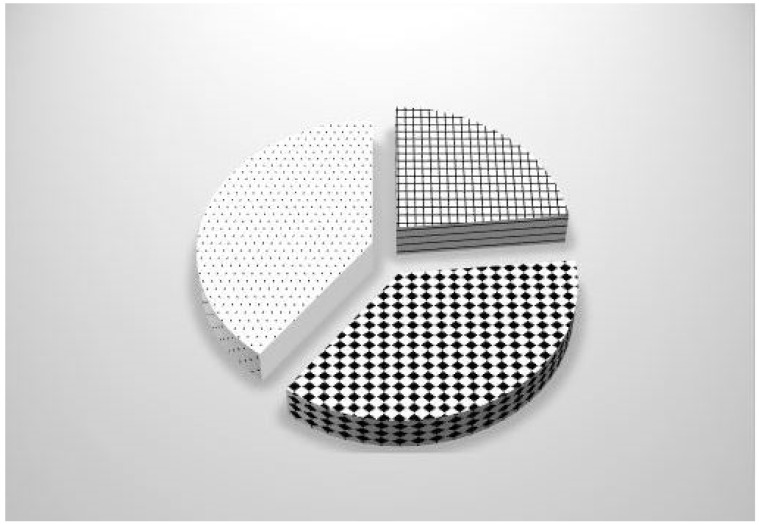
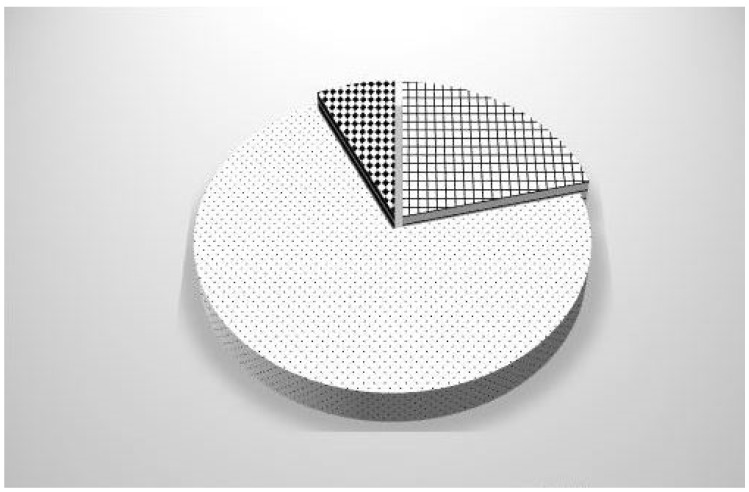
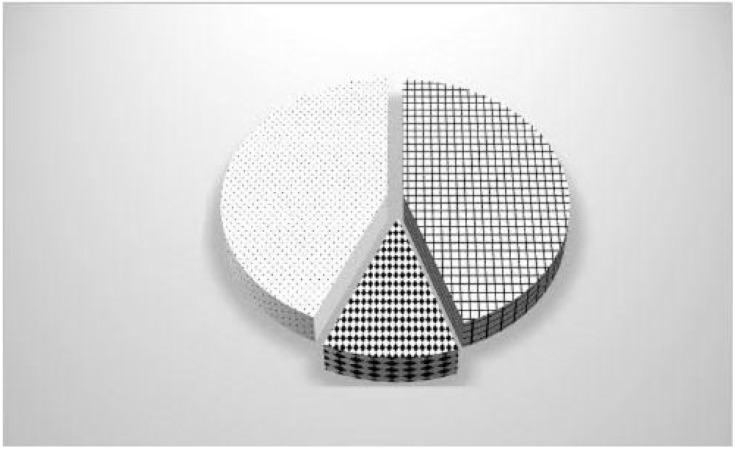
The study aimed to evaluate the contribution of building problems to mold proliferation in dwellings. We investigated 503 dwellings of patients suffering from respiratory diseases, whose attending physicians had requested a home inspection if the area of mold was equal to at least one square meter. After careful visual evaluation and basic environmental measurements performed by a trained technician, environmental issues were classified into building defects, accidental water damage, and condensation. Data analysis demonstrated that building defects were the pre-eminent cause of mold proliferation. Among the building defects, water infiltration through leaks in roofs or walls was the leading cause. These results highlight the need for health professionals managing patients with respiratory diseases to be able to request a home inspection, and for city health authorities to commission professionals who can focus on building problems and find ways to address them.

摘要

本研究旨在评估建筑物问题对住宅中霉菌滋生的贡献。我们调查了 503 户患有呼吸道疾病的患者的住所,如果霉菌面积至少为一平方米,其主治医生会要求进行房屋检查。在经过一名经过培训的技术人员进行仔细的目视评估和基本环境测量后,环境问题被分为建筑缺陷、意外水渍和冷凝。数据分析表明,建筑缺陷是霉菌滋生的主要原因。在建筑缺陷中,屋顶或墙壁的渗漏导致的渗水是主要原因。这些结果强调了管理呼吸道疾病患者的健康专业人员需要能够要求进行房屋检查,以及城市卫生当局需要委托能够专注于建筑问题并找到解决方法的专业人员。
https://cdn.ncbi.nlm.nih.gov/pmc/blobs/c2db/9779167/e16593626035/ijerph-19-16692-g003.jpg
https://cdn.ncbi.nlm.nih.gov/pmc/blobs/c2db/9779167/8e55563884e0/ijerph-19-16692-g001.jpg
https://cdn.ncbi.nlm.nih.gov/pmc/blobs/c2db/9779167/c73c0724e1df/ijerph-19-16692-g002.jpg
https://cdn.ncbi.nlm.nih.gov/pmc/blobs/c2db/9779167/e16593626035/ijerph-19-16692-g003.jpg
https://cdn.ncbi.nlm.nih.gov/pmc/blobs/c2db/9779167/8e55563884e0/ijerph-19-16692-g001.jpg
https://cdn.ncbi.nlm.nih.gov/pmc/blobs/c2db/9779167/c73c0724e1df/ijerph-19-16692-g002.jpg
https://cdn.ncbi.nlm.nih.gov/pmc/blobs/c2db/9779167/e16593626035/ijerph-19-16692-g003.jpg

相似文献

1
Structural Home Defects Are the Leading Cause of Mold in Buildings: The Housing and Health Service Experience.结构型住宅缺陷是建筑物内霉菌的主要成因:房屋与健康服务的经验。
Int J Environ Res Public Health. 2022 Dec 12;19(24):16692. doi: 10.3390/ijerph192416692.
2
The association of respiratory symptoms and indoor housing conditions among migrant farmworkers in eastern North Carolina.北卡罗来纳州东部流动农场工人的呼吸道症状与室内居住条件的关联。
J Agromedicine. 2014;19(4):395-405. doi: 10.1080/1059924X.2014.947458.
3
Building-related respiratory symptoms can be predicted with semi-quantitative indices of exposure to dampness and mold.与建筑物相关的呼吸道症状可以通过潮湿和霉菌暴露的半定量指标来预测。
Indoor Air. 2004 Dec;14(6):425-33. doi: 10.1111/j.1600-0668.2004.00291.x.
4
[Moisture and mold damages of buildings in relation to health].[建筑物的湿气与霉菌损害及其与健康的关系]
Duodecim. 2015;131(19):1749-55.
5
Impact of indoor air quality on respiratory health: results of a local survey on housing environment.室内空气质量对呼吸健康的影响:住房环境地方调查结果。
Public Health. 2018 Oct;163:76-79. doi: 10.1016/j.puhe.2018.06.015. Epub 2018 Aug 10.
6
Creating mold-free buildings: a key to avoiding health effects of indoor molds.打造无霉菌建筑:避免室内霉菌对健康产生影响的关键。
Arch Environ Health. 2003 Aug;58(8):523-7. doi: 10.3200/AEOH.58.8.523-527.
7
Microfungal contamination of damp buildings--examples of risk constructions and risk materials.潮湿建筑物中的微真菌污染——危险建筑和危险材料示例
Environ Health Perspect. 1999 Jun;107 Suppl 3(Suppl 3):505-8. doi: 10.1289/ehp.99107s3505.
8
DNA Sequence-Based Approach for Classifying the Mold Status of Buildings.基于 DNA 序列的建筑物霉菌状况分类方法。
Environ Sci Technol. 2020 Dec 15;54(24):15968-15975. doi: 10.1021/acs.est.0c03904. Epub 2020 Dec 1.
9
Building dampness and mold in European homes in relation to climate, building characteristics and socio-economic status: The European Community Respiratory Health Survey ECRHS II.欧洲住宅的潮湿和霉菌问题与气候、建筑特点和社会经济地位的关系:欧洲社区呼吸健康调查 ECRHS II。
Indoor Air. 2017 Sep;27(5):921-932. doi: 10.1111/ina.12375. Epub 2017 Mar 20.
10
Prevalence of Residential Dampness and Mold Exposure in a University Student Population.大学生群体中居住环境潮湿及接触霉菌的患病率
Int J Environ Res Public Health. 2016 Feb 5;13(2):194. doi: 10.3390/ijerph13020194.

引用本文的文献

1
Prevalence of indoor air pollutants from First Nation homes in North Central British Columbia, Canada.加拿大不列颠哥伦比亚省中北部原住民家庭室内空气污染物的流行情况。
Int J Circumpolar Health. 2024 Dec;83(1):2389612. doi: 10.1080/22423982.2024.2389612. Epub 2024 Aug 22.

本文引用的文献

1
Building dampness and mold in European homes in relation to climate, building characteristics and socio-economic status: The European Community Respiratory Health Survey ECRHS II.欧洲住宅的潮湿和霉菌问题与气候、建筑特点和社会经济地位的关系:欧洲社区呼吸健康调查 ECRHS II。
Indoor Air. 2017 Sep;27(5):921-932. doi: 10.1111/ina.12375. Epub 2017 Mar 20.
2
Concentration and determinants of molds and allergens in indoor air and house dust of French dwellings.室内空气和法国家居灰尘中霉菌和过敏原的浓度及其决定因素。
Sci Total Environ. 2015 Dec 1;536:964-972. doi: 10.1016/j.scitotenv.2015.06.039. Epub 2015 Jun 18.
3
Environmental relative moldiness index and associations with home characteristics and infant wheeze.
环境相对发霉指数及其与家庭特征和婴儿喘息的关联。
J Occup Environ Hyg. 2015;12(1):29-36. doi: 10.1080/15459624.2014.933958.
4
[Housing and health counselling services in the management of allergic respiratory disease].[过敏性呼吸道疾病管理中的住房与健康咨询服务]
Rev Mal Respir. 2008 Sep;25(7):821-7. doi: 10.1016/s0761-8425(08)74347-x.
5
Characteristics of dwellings contaminated by moulds.受霉菌污染的住宅的特征。
J Environ Monit. 2008 Jun;10(6):724-9. doi: 10.1039/b718909e. Epub 2008 Apr 29.
6
Risk factors for mold in housing: a national survey.住房中霉菌的风险因素:一项全国性调查。
Indoor Air. 2005 Dec;15(6):469-76. doi: 10.1111/j.1600-0668.2005.00389.x.
7
Airborne fungi in the homes of children with asthma in low-income urban communities: The Inner-City Asthma Study.低收入城市社区哮喘儿童家中的空气传播真菌:内城哮喘研究
J Allergy Clin Immunol. 2004 Sep;114(3):599-606. doi: 10.1016/j.jaci.2004.05.064.
8
Levels of household mold associated with respiratory symptoms in the first year of life in a cohort at risk for asthma.处于哮喘风险队列中的婴儿出生后第一年,家庭霉菌水平与呼吸道症状的关系。
Environ Health Perspect. 2002 Dec;110(12):A781-6. doi: 10.1289/ehp.021100781.
9
Housing characteristics, reported mold exposure, and asthma in the European Community Respiratory Health Survey.欧洲共同体呼吸健康调查中的住房特征、报告的霉菌暴露与哮喘
J Allergy Clin Immunol. 2002 Aug;110(2):285-92. doi: 10.1067/mai.2002.126383.
10
Indoor airborne fungal spores, house dampness and associations with environmental factors and respiratory health in children.室内空气传播的真菌孢子、房屋潮湿及其与环境因素和儿童呼吸健康的关联
Clin Exp Allergy. 1998 Apr;28(4):459-67. doi: 10.1046/j.1365-2222.1998.00255.x.