Vaucher Joanne, Demongeot Adrien, Michaud Véronique, Leterrier Yves
Laboratory for Processing of Advanced Composites (LPAC), École Polytechnique Fédérale de Lausanne (EPFL), CH-1015 Lausanne, Switzerland.
Polymers (Basel). 2022 Dec 15;14(24):5507. doi: 10.3390/polym14245507.
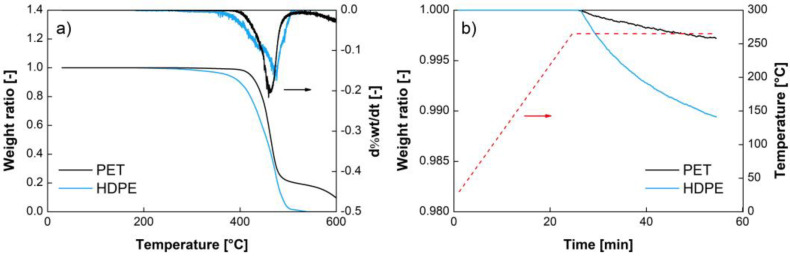
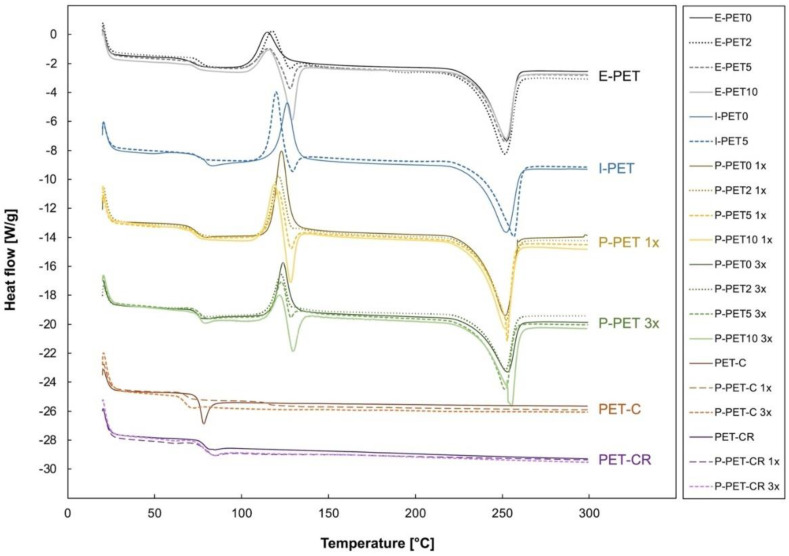
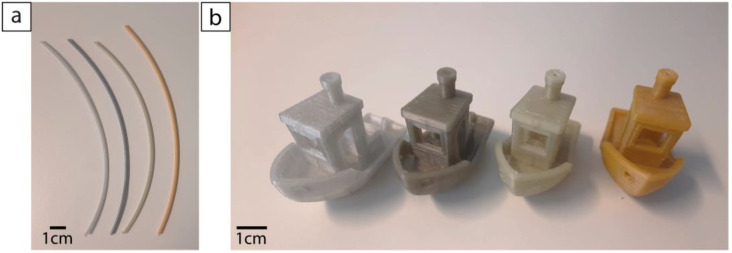
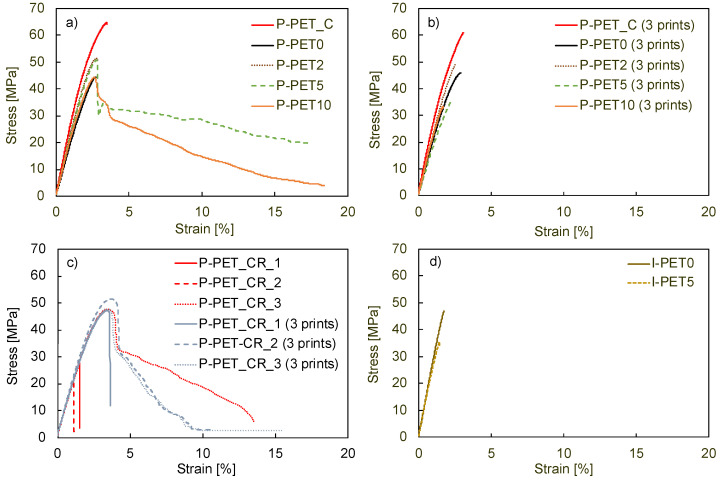
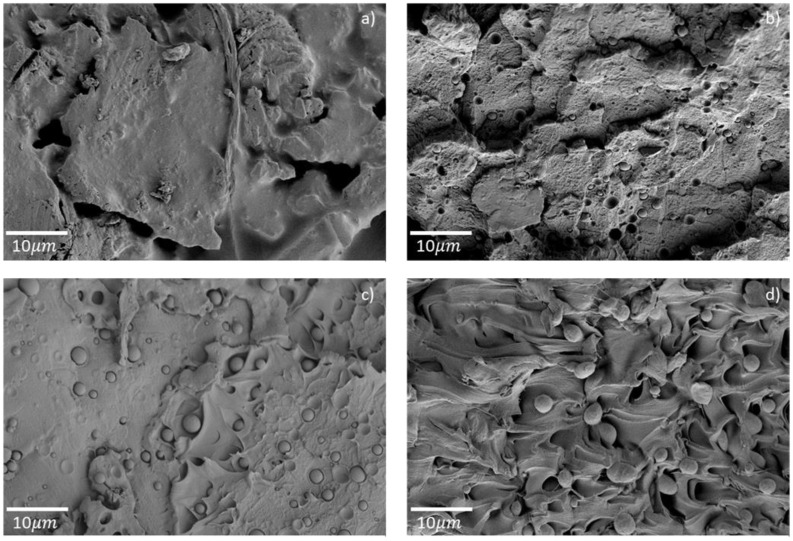
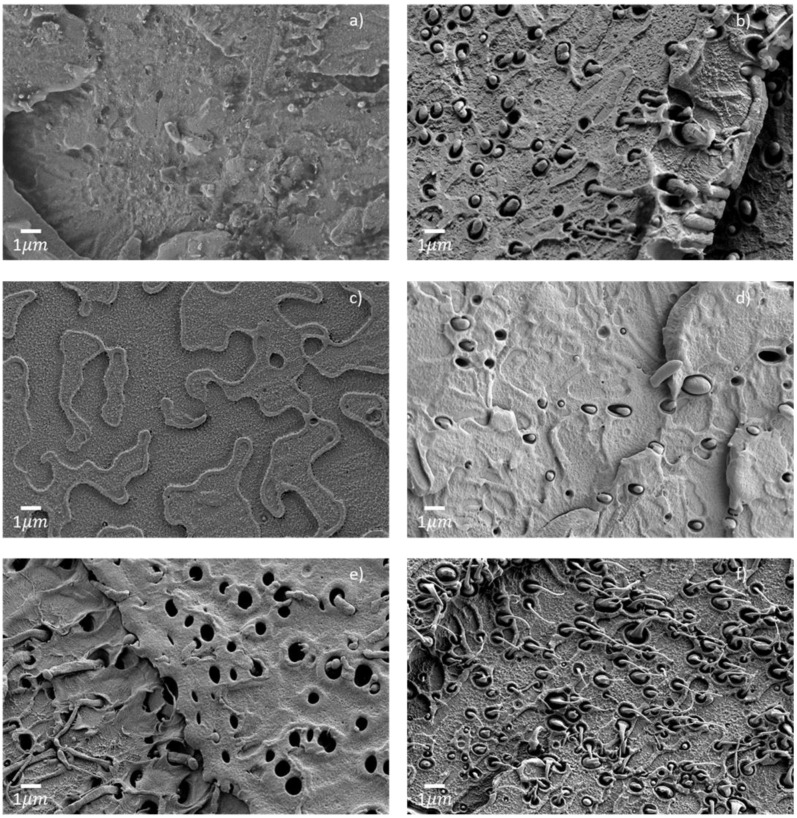
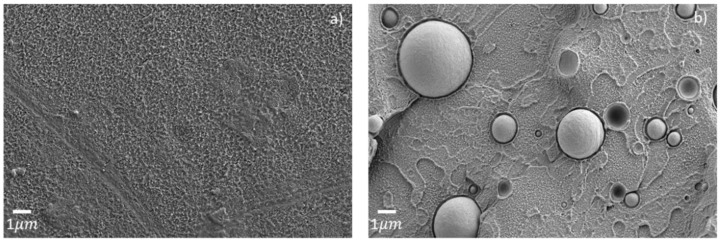
As part of a project that aims to provide people with disabilities with simple assistive devices in Colombia, the possibility of creating a PET filament that can be printed by Fused Deposition Modelling (FDM) from beverage bottle waste was investigated, with the aim to remain as simple as possible in terms of plastic collection, sorting, processing, and printing. Recycled PET filaments were thus produced by extrusion from collected PET bottles, with the potential addition of HDPE, which comes from caps and rings. The microstructure, mechanical performance, and printing quality of parts produced with these filaments were investigated in comparison to commercial PET virgin and recycled filaments. HDPE presence as an immiscible blend did not affect the ease of extrusion or the quality of the printing, which were all satisfactory. In some conditions, the addition of 5 wt% of HDPE to recycled PET had a toughening effect on otherwise brittle samples. This behavior was attributed to the presence of elongated HDPE inclusions resulting from shear forces induced by the layer-by-layer printing, provided that the interface temperature remained high between layer depositions. This confirms that the mechanical performance of recycled PET is very sensitive to the processing conditions, especially in the case of 3D printing. Nonetheless, this low-cost process that did not require sophisticated compatibilization schemes allowed for the printing of parts with mechanical properties comparable to those obtained with high purity, commercially recycled filaments, opening interesting perspectives for a low-cost PET recycling process.
作为哥伦比亚一个旨在为残疾人提供简易辅助设备项目的一部分,研究了利用饮料瓶废料制造可通过熔融沉积成型(FDM)打印的聚对苯二甲酸乙二酯(PET)长丝的可能性,目标是在塑料收集、分类、加工和打印方面尽可能保持简单。因此,通过对收集到的PET瓶进行挤压生产出了回收PET长丝,还可能添加来自瓶盖和瓶环的高密度聚乙烯(HDPE)。将用这些长丝生产的零件的微观结构、机械性能和打印质量与商用原生PET和回收PET长丝进行了比较研究。HDPE作为不混溶共混物的存在并未影响挤压的难易程度或打印质量,所有这些都令人满意。在某些条件下,向回收PET中添加5 wt%的HDPE对原本易碎的样品有增韧作用。这种行为归因于逐层打印引起的剪切力导致的细长HDPE夹杂物的存在,前提是层沉积之间的界面温度保持较高。这证实了回收PET的机械性能对加工条件非常敏感,特别是在3D打印的情况下。尽管如此,这种不需要复杂增容方案的低成本工艺能够打印出机械性能与高纯度商业回收长丝相当的零件,为低成本PET回收工艺开辟了有趣的前景。