Department of Biosystems Machinery Engineering, College of Agricultural and Life Science, Chungnam National University, 99 Daehak-ro, Yuseoung-gu, Daejeon 34134, Republic of Korea.
Department of Smart Agricultural Systems, College of Agricultural and Life Science, Chungnam National University, 99 Daehak-ro, Yuseoung-gu, Daejeon 34134, Republic of Korea.
Sensors (Basel). 2022 Dec 14;22(24):9826. doi: 10.3390/s22249826.
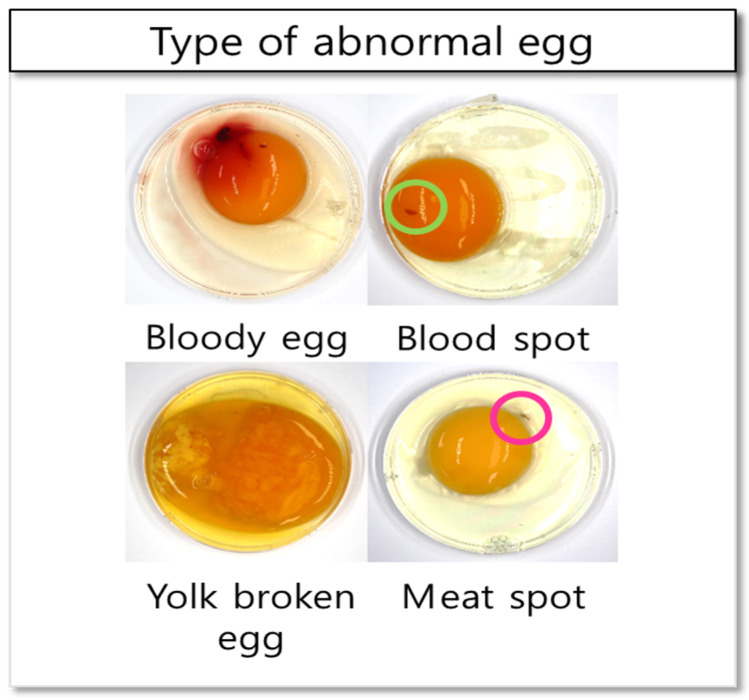
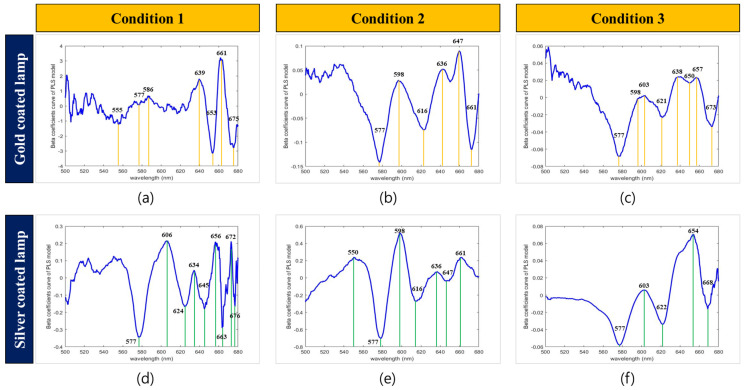
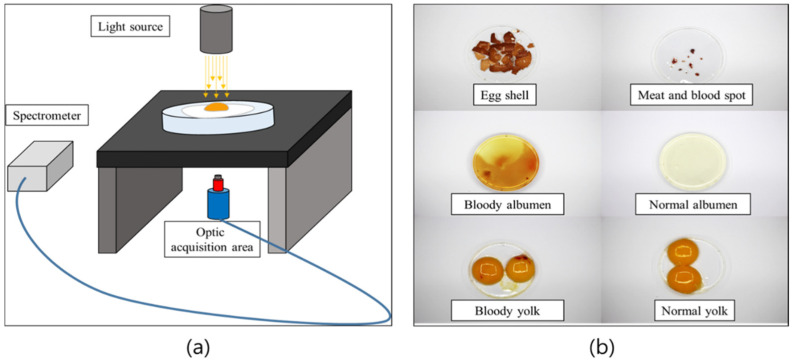
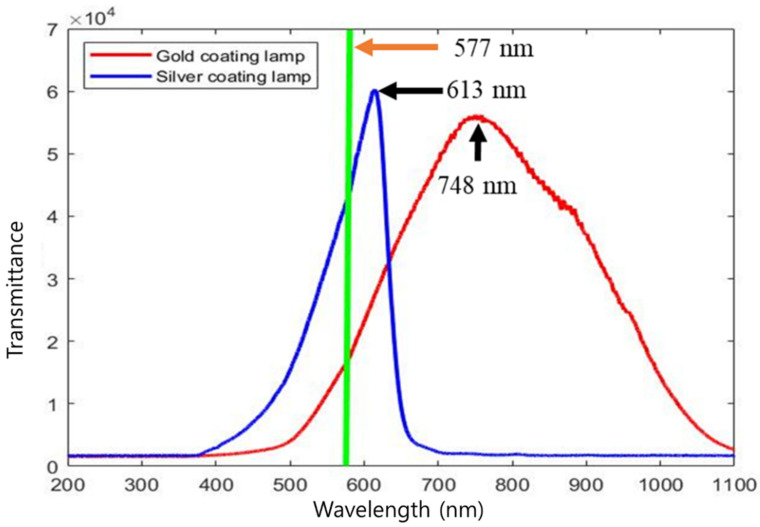
Environmental pressures, such as temperature and light intensity, food, and genetic factors, can cause chicken eggs to develop abnormalities. The common types of internal egg abnormalities include bloody and damaged egg yolk. Spectrometers have been recently used in real-time abnormal egg detection research. However, there are very few studies on the optimization of measurement systems. This study aimed to establish optimum parameters for detecting of internal egg abnormalities (bloody and damaged-yolk eggs) using visible and near-infrared (Vis/NIR) spectrometry (192-1110 nm range) and multivariate data analysis. The detection performance using various system parameters, such as the types of light sources, the configuration of the light, and sensor positions, was investigated. With the help of collected data, a partial least-squares discriminant analysis (PLS-DA) model was developed to classify normal and abnormal eggs. The highest classification accuracy for the various system parameters was 98.7%. Three band selection methods, such as weighted regression coefficient (WRC), sequential feature selection (SFS), and successive projection algorithm (SPA) were used for further model optimization, to reduce the spectral bands from 1028 to less than 7. In conclusion the results indicate that the types of light sources and the configuration design of the sensor and illumination affect the detection accuracy for abnormal eggs.
环境压力,如温度和光照强度、食物和遗传因素,都可能导致鸡蛋发育异常。常见的内部蛋异常类型包括血斑和破损蛋黄。光谱仪最近已被用于实时异常蛋检测研究。然而,对于测量系统的优化研究却很少。本研究旨在利用可见近红外光谱(192-1110nm 波段)和多元数据分析,建立内部蛋异常(血斑和破损蛋黄蛋)检测的最佳参数。研究了不同系统参数(光源类型、光源配置和传感器位置)的检测性能。借助收集的数据,开发了一种偏最小二乘判别分析(PLS-DA)模型来对正常蛋和异常蛋进行分类。各种系统参数的最高分类准确率为 98.7%。使用了三种波段选择方法,如加权回归系数(WRC)、顺序特征选择(SFS)和连续投影算法(SPA),进一步优化模型,将光谱波段从 1028 个减少到不到 7 个。总之,结果表明光源类型和传感器及照明的配置设计会影响异常蛋的检测准确率。