Wu Yinrong, Yang Zichao, Cheng Kui, Bi Huichang, Chen Jianjun
Guangdong Provincial Key Laboratory of New Drug Screening, NMPA Key Laboratory for Research and Evaluation of Drug Metabolism, School of Pharmaceutical Sciences, Southern Medical University, Guangzhou 510515, China.
Acta Pharm Sin B. 2022 Dec;12(12):4287-4308. doi: 10.1016/j.apsb.2022.11.007. Epub 2022 Nov 12.
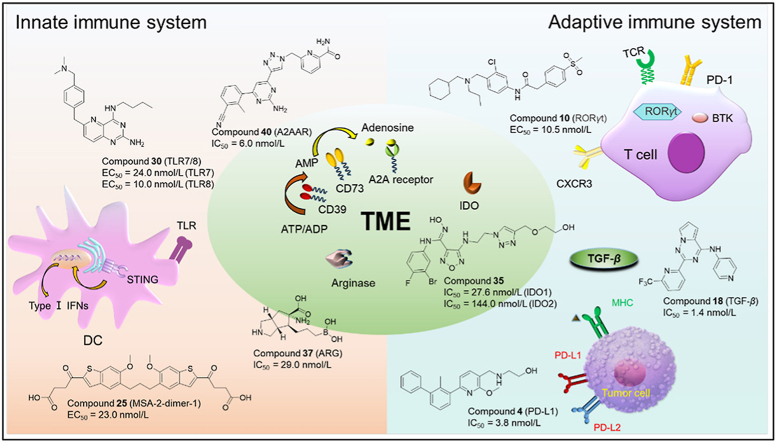
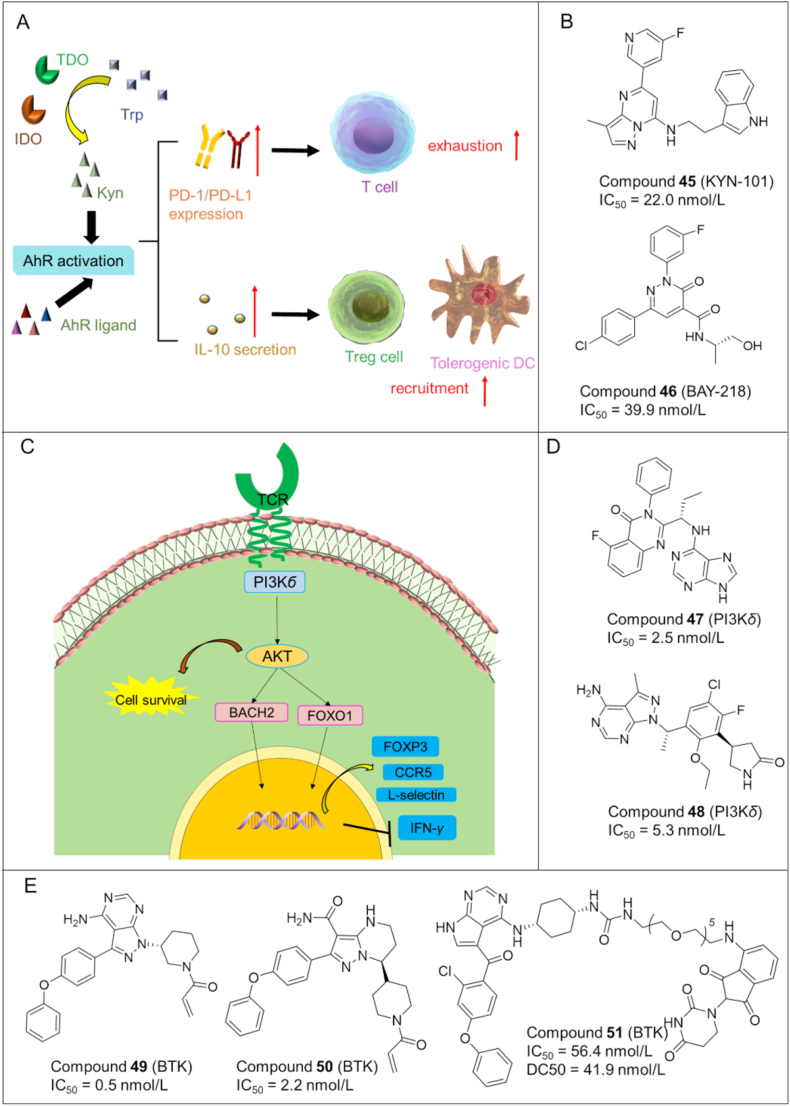
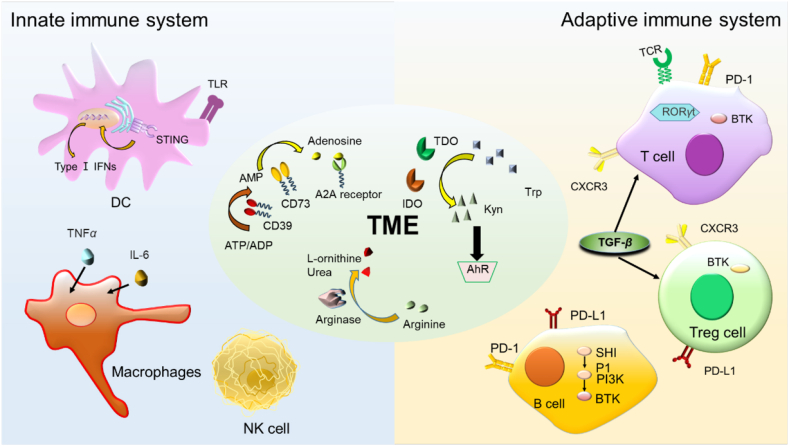
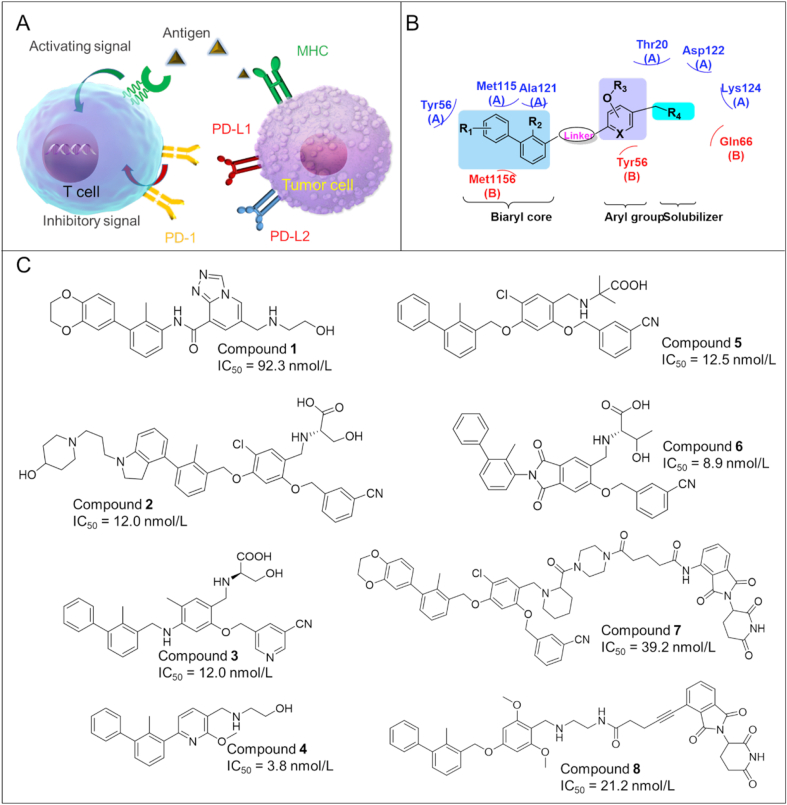
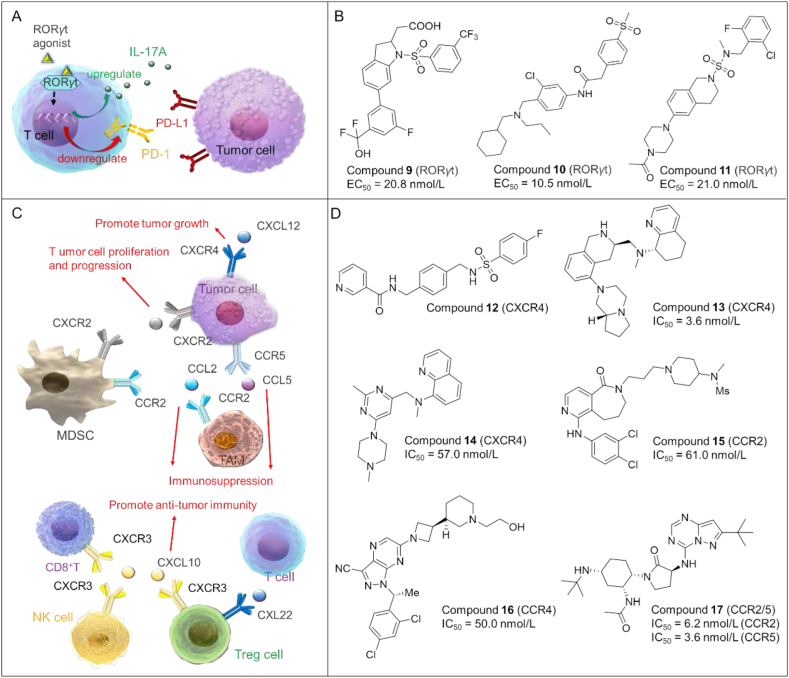
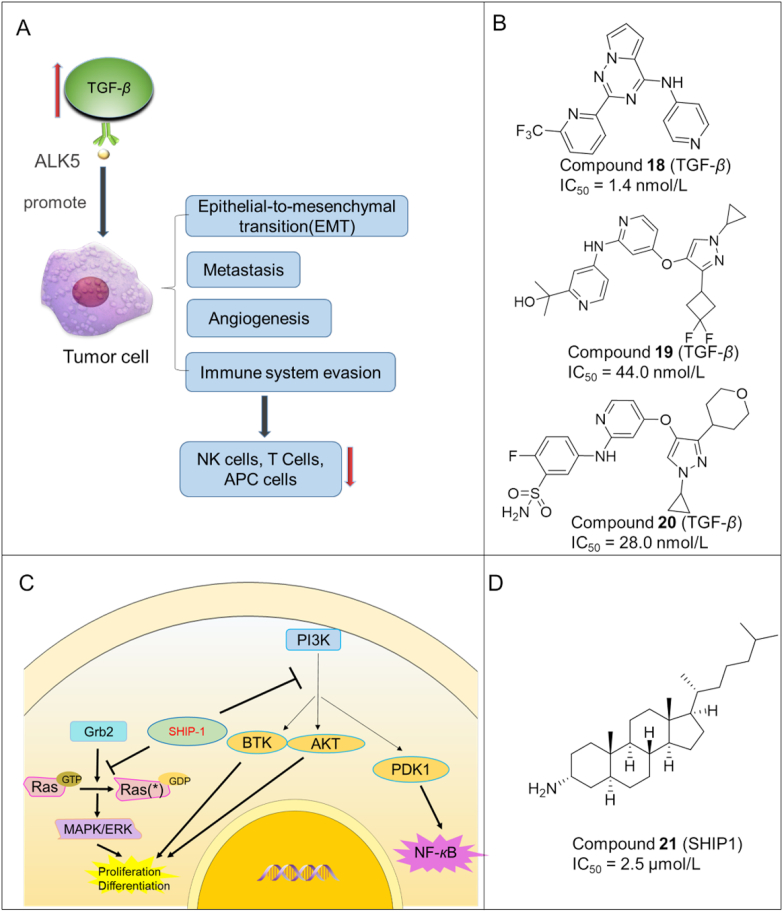
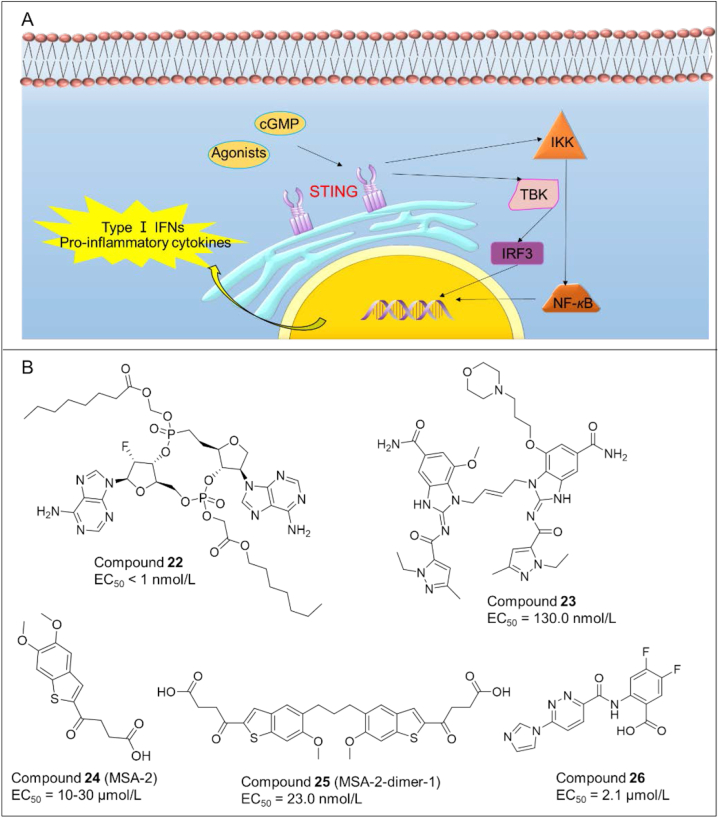
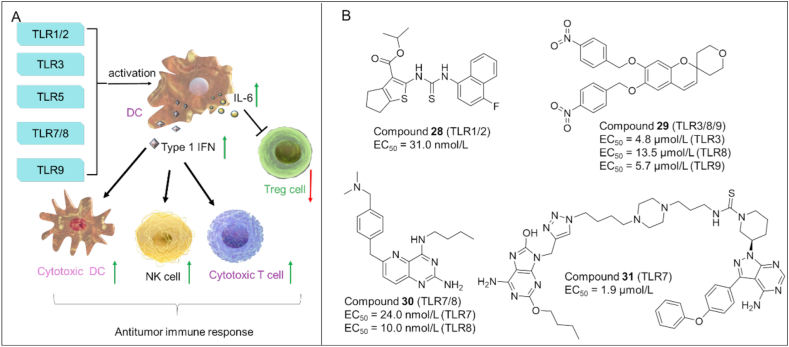
Immunotherapy has led to a paradigm shift in the treatment of cancer. Current cancer immunotherapies are mostly antibody-based, thus possessing advantages in regard to pharmacodynamics (., specificity and efficacy). However, they have limitations in terms of pharmacokinetics including long half-lives, poor tissue/tumor penetration, and little/no oral bioavailability. In addition, therapeutic antibodies are immunogenic, thus may cause unwanted adverse effects. Therefore, researchers have shifted their efforts towards the development of small molecule-based cancer immunotherapy, as small molecules may overcome the above disadvantages associated with antibodies. Further, small molecule-based immunomodulators and therapeutic antibodies are complementary modalities for cancer treatment, and may be combined to elicit synergistic effects. Recent years have witnessed the rapid development of small molecule-based cancer immunotherapy. In this review, we describe the current progress in small molecule-based immunomodulators (inhibitors/agonists/degraders) for cancer therapy, including those targeting PD-1/PD-L1, chemokine receptors, stimulator of interferon genes (STING), Toll-like receptor (TLR), etc. The tumorigenesis mechanism of various targets and their respective modulators that have entered clinical trials are also summarized.
免疫疗法已使癌症治疗发生了范式转变。当前的癌症免疫疗法大多基于抗体,因此在药效学方面(如特异性和疗效)具有优势。然而,它们在药代动力学方面存在局限性,包括半衰期长、组织/肿瘤穿透性差以及几乎没有/没有口服生物利用度。此外,治疗性抗体具有免疫原性,因此可能会引起不良副作用。因此,研究人员已将精力转向开发基于小分子的癌症免疫疗法,因为小分子可能克服上述与抗体相关的缺点。此外,基于小分子的免疫调节剂和治疗性抗体是癌症治疗的互补模式,并且可以联合使用以产生协同效应。近年来,基于小分子的癌症免疫疗法发展迅速。在这篇综述中,我们描述了用于癌症治疗的基于小分子的免疫调节剂(抑制剂/激动剂/降解剂)的当前进展,包括那些靶向程序性死亡受体1(PD-1)/程序性死亡配体1(PD-L1)、趋化因子受体、干扰素基因刺激因子(STING)、Toll样受体(TLR)等的免疫调节剂。还总结了已进入临床试验的各种靶点及其各自调节剂的肿瘤发生机制。