Department of Civil and Environmental Engineering, Michigan State University, 1449 Engineering Research Ct, East Lansing, MI 48823, USA.
Detroit Health Department, 100 Mack Ave, Detroit, MI 48201, USA.
Sci Total Environ. 2023 Mar 15;864:161152. doi: 10.1016/j.scitotenv.2022.161152. Epub 2022 Dec 23.
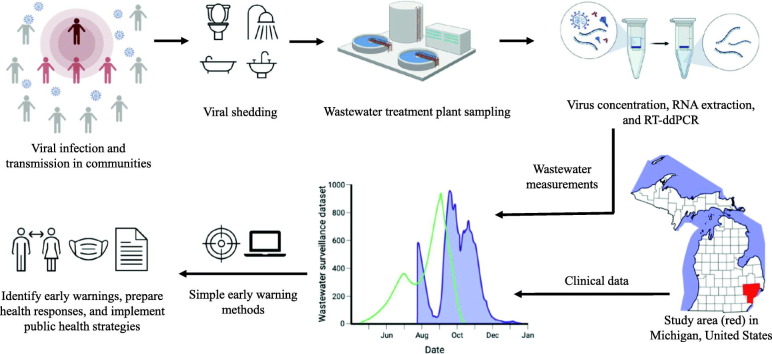
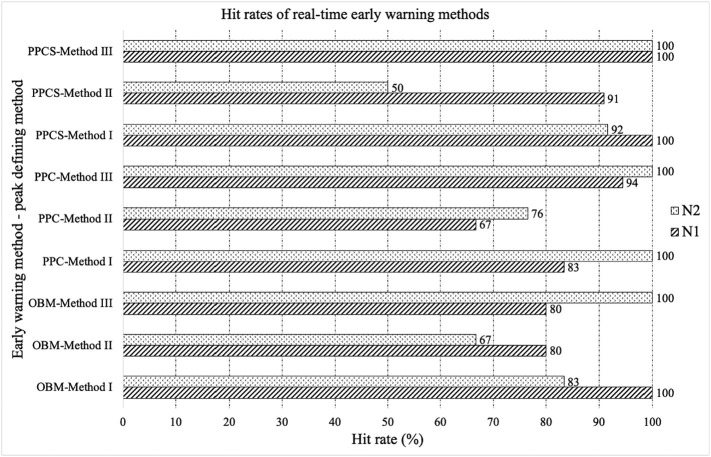
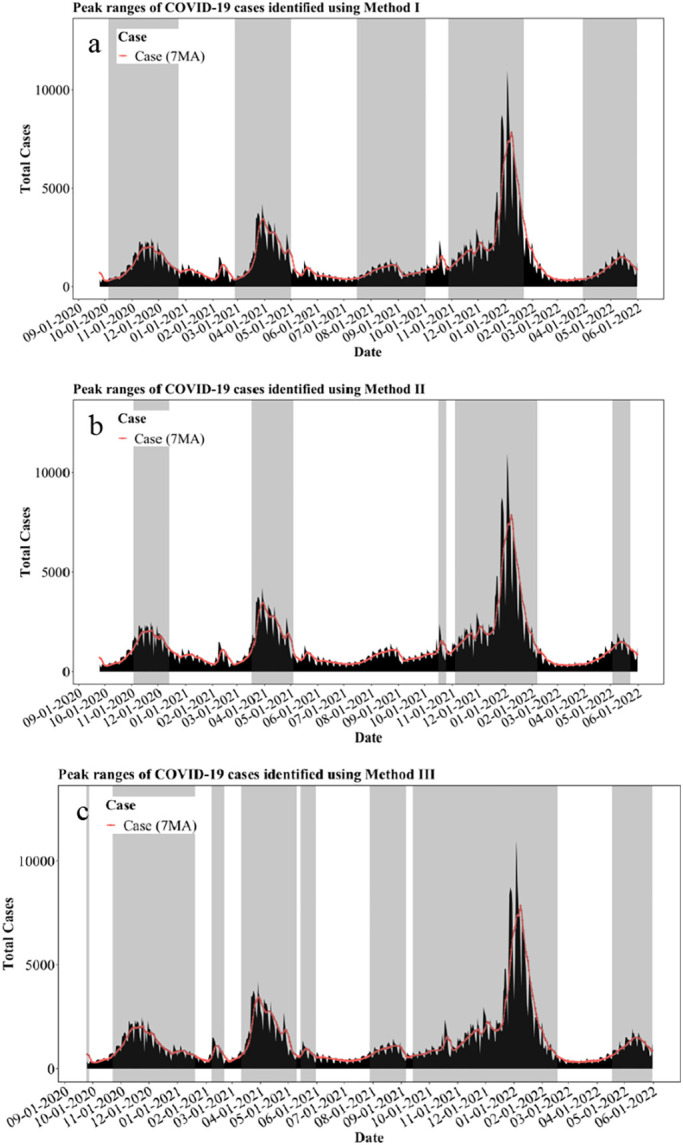
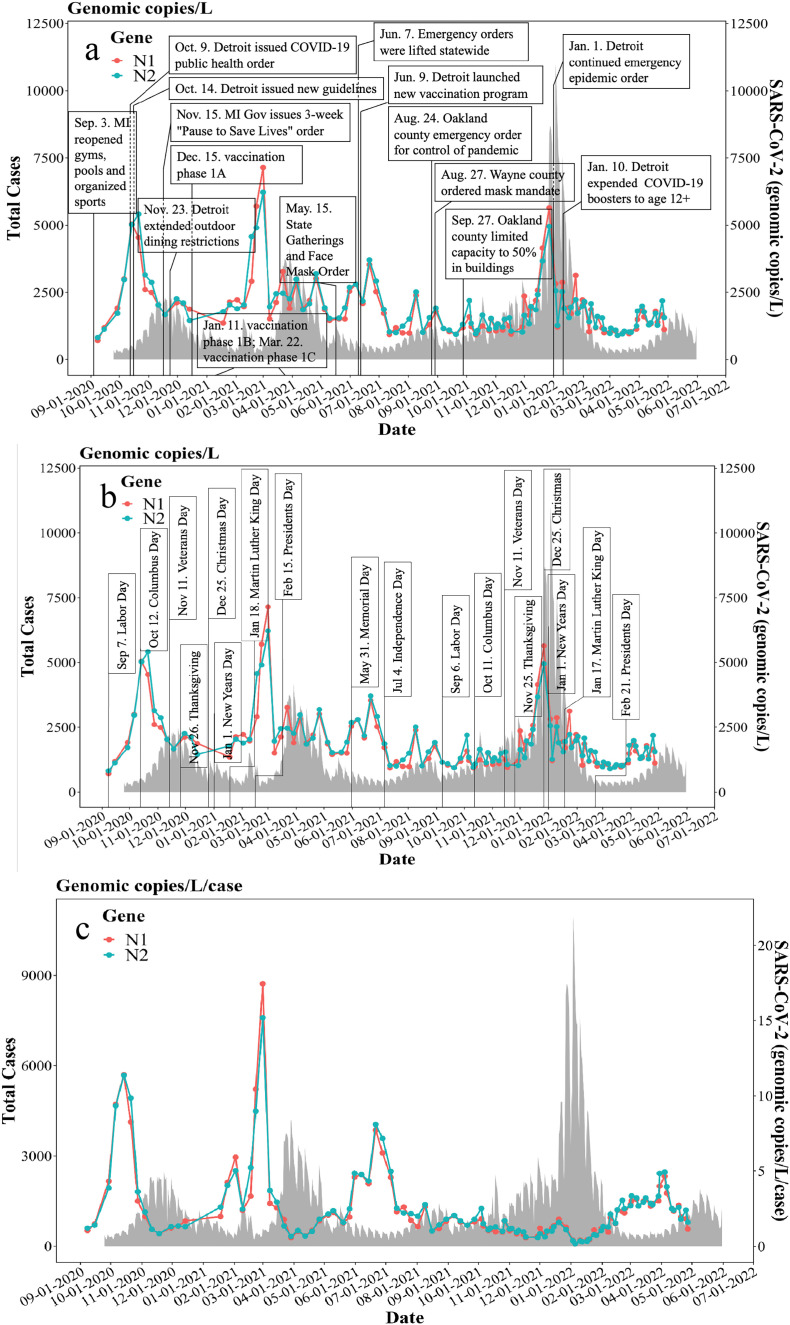
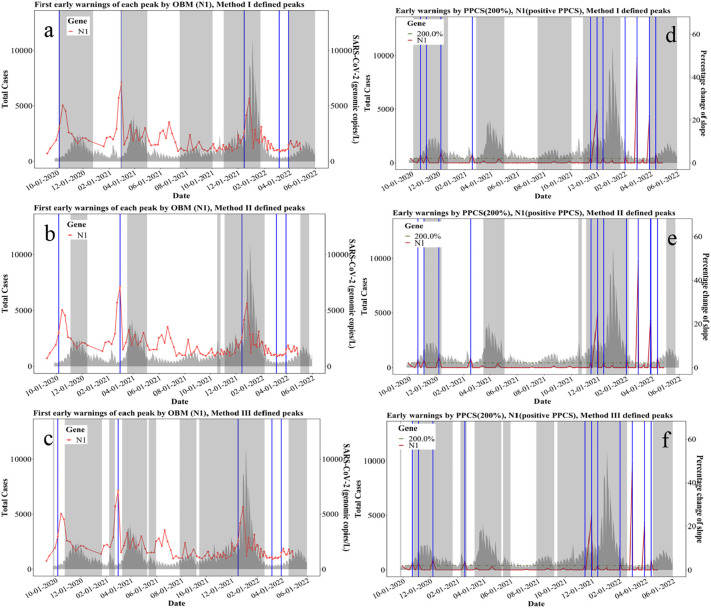
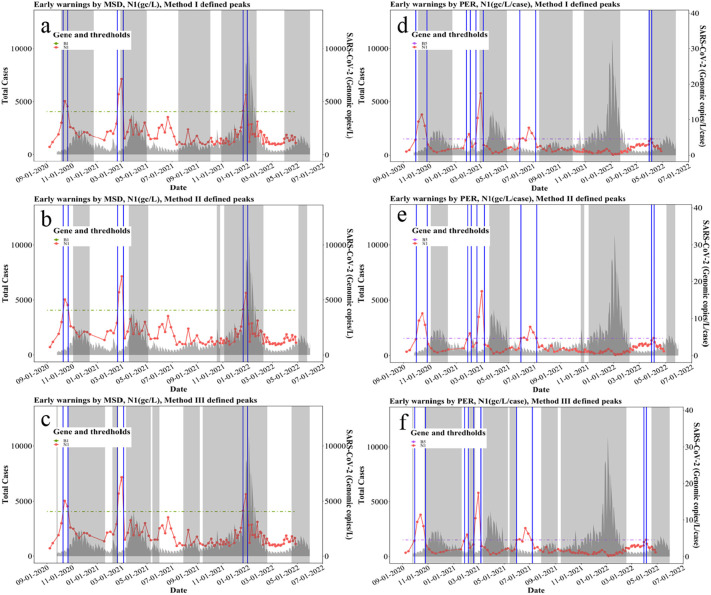
Wastewater-based epidemiology (WBE) has drawn great attention since the Coronavirus disease 2019 (COVID-19) pandemic, not only due to its capability to circumvent the limitations of traditional clinical surveillance, but also due to its potential to forewarn fluctuations of disease incidences in communities. One critical application of WBE is to provide "early warnings" for upcoming fluctuations of disease incidences in communities which traditional clinical testing is incapable to achieve. While intricate models have been developed to determine early warnings based on wastewater surveillance data, there is an exigent need for straightforward, rapid, broadly applicable methods for health departments and partner agencies to implement. Our purpose in this study is to develop and evaluate such early-warning methods and clinical-case peak-detection methods based on WBE data to mount an informed public health response. Throughout an extended wastewater surveillance period across Detroit, MI metropolitan area (the entire study period is from September 2020 to May 2022) we designed eight early-warning methods (three real-time and five post-factum). Additionally, we designed three peak-detection methods based on clinical epidemiological data. We demonstrated the utility of these methods for providing early warnings for COVID-19 incidences, with their counterpart accuracies evaluated by hit rates. "Hit rates" were defined as the number of early warning dates (using wastewater surveillance data) that captured defined peaks (using clinical epidemiological data) divided by the total number of early warning dates. Hit rates demonstrated that the accuracy of both real-time and post-factum methods could reach 100 %. Furthermore, the results indicate that the accuracy was influenced by approaches to defining peaks of disease incidence. The proposed methods herein can assist health departments capitalizing on WBE data to assess trends and implement quick public health responses to future epidemics. Besides, this study elucidated critical factors affecting early warnings based on WBE amid the COVID-19 pandemic.
基于污水的流行病学(WBE)自 2019 年冠状病毒病(COVID-19)大流行以来引起了极大关注,不仅因为它能够规避传统临床监测的局限性,还因为它有可能预警社区疾病发病率的波动。WBE 的一个关键应用是为社区疾病发病率的未来波动提供“预警”,而传统的临床检测无法实现这一点。虽然已经开发了复杂的模型来根据污水监测数据确定预警,但迫切需要卫生部门和合作伙伴机构实施简单、快速、广泛适用的方法。我们在这项研究中的目的是开发和评估基于污水监测数据的此类预警方法和临床病例高峰检测方法,以进行明智的公共卫生应对。在底特律,MI 大都市区(整个研究期间为 2020 年 9 月至 2022 年 5 月)的延长污水监测期间,我们设计了八种预警方法(三种实时和五种事后)。此外,我们还根据临床流行病学数据设计了三种峰检测方法。我们证明了这些方法在提供 COVID-19 发病率预警方面的实用性,其对应准确性通过命中率进行评估。“命中率”定义为使用污水监测数据捕捉到定义的高峰(使用临床流行病学数据)的预警日期数除以预警日期总数。命中率表明实时和事后方法的准确性都可以达到 100%。此外,结果表明,准确性受到定义疾病发病率高峰方法的影响。本文提出的方法可以帮助卫生部门利用污水监测数据评估趋势并对未来的疫情做出快速的公共卫生反应。此外,本研究阐明了 COVID-19 大流行期间基于污水的流行病学预警的关键因素。