Department of Diagnostic Imaging and Radiotherapy, Kulliyyah of Allied Health Sciences, International Islamic University, Malaysia.
Department of Professional Nursing Studies, Kulliyyah of Nursing, International Islamic University, Malaysia.
Asian Pac J Cancer Prev. 2022 Dec 1;23(12):3971-3982. doi: 10.31557/APJCP.2022.23.12.3971.
Breast cancer is the most diagnosed cancer worldwide. With an estimated 685,000 deaths, female breast cancer was the fifth leading cause of cancer mortality worldwide, accounting for 6.9% of all cancer deaths. Previous studies have shown that late detection and delayed diagnosis are associated with advanced-stage breast cancer and poor survival. Factors contributing to non-adherence to breast cancer screening among women were elicited from previous studies. However, few studies have focused on the Muslim community, particularly Muslim women. As such, this systematic review aims to fill this gap by collecting information from studies conducted globally over the past ten years that examined cultural, religious and socio-ethical misconceptions about breast cancer screening among Muslim women.
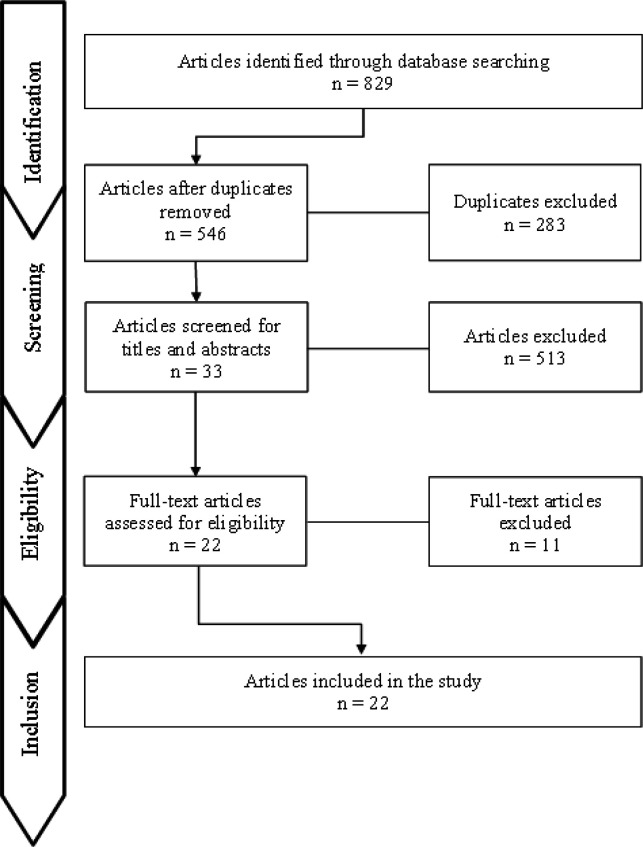
Following the PRISMA guidelines, literature searches were conducted systematically through various databases including PubMed, Science Direct, Scopus, Cochrane Library and Oxford Academic Journals. Article identification, screening steps and eligibility measures were meticulously performed throughout the review.
A total of 22 papers were appraised and included in this review. Five main themes were generated which were socio-ethical misconceptions, cultural and religious beliefs, cultural and religious barriers, stigmatization and fear of breast cancer impact. Eight sub-themes and 14 sub sub-themes were further elicited from the main themes.
Muslim women have socio-ethical, cultural and religious misconceptions on what constitutes health and practices as well as on the nature and etiology of BC. Cultural barriers and religious values of Muslim women were indicated to influence their health behaviors such as upholding their modesty when choosing health interventions. BC stigma and fear were also found to be key sources of psychological distress that discouraged Muslim women from undergoing BC screening. The study suggests the implementation of holistic effort in educating Muslim women to increase BC screening rate.
乳腺癌是全球最常见的癌症。全球估计有 68.5 万人死于乳腺癌,女性乳腺癌是全球第五大癌症死亡原因,占所有癌症死亡人数的 6.9%。先前的研究表明,晚期发现和诊断延迟与晚期乳腺癌和生存不良有关。先前的研究已经提出了导致女性不遵守乳腺癌筛查的因素。然而,很少有研究关注穆斯林社区,特别是穆斯林妇女。因此,本系统评价旨在通过收集过去十年在全球范围内进行的研究信息来填补这一空白,这些研究检查了穆斯林妇女对乳腺癌筛查的文化、宗教和社会伦理误解。
根据 PRISMA 指南,通过各种数据库(包括 PubMed、Science Direct、Scopus、Cochrane Library 和 Oxford Academic Journals)系统地进行文献检索。在整个审查过程中,仔细进行了文章识别、筛选步骤和资格标准。
共评估了 22 篇论文,并将其纳入本综述。生成了五个主要主题,分别是社会伦理误解、文化和宗教信仰、文化和宗教障碍、污名化和对乳腺癌影响的恐惧。从主要主题中进一步引出了八个子主题和 14 个子子主题。
穆斯林妇女对健康的构成以及乳腺癌的性质和病因存在社会伦理、文化和宗教上的误解。穆斯林妇女的文化障碍和宗教价值观被认为会影响她们的健康行为,例如在选择健康干预措施时维护自己的谦逊。乳腺癌的耻辱感和恐惧也被发现是导致心理困扰的主要原因,这阻碍了穆斯林妇女接受乳腺癌筛查。该研究建议实施整体努力,教育穆斯林妇女,以提高乳腺癌筛查率。