Emami Elham, Heidari-Soureshjani Saeid, Sherwin Catherine Mt
Department of Pediatric Nephrology, Emam Hossein Educational Hospital, School of Medicine, Shahid Beheshti University of Medical Sciences, Tehran, Iran.
Modeling in Health Research Center, Shahrekord University of Medical Sciences, Shahrekord, Iran.
Avicenna J Phytomed. 2022 Nov-Dec;12(6):576-588. doi: 10.22038/AJP.2022.20049.
This study was designed to determine the association curcumin has on pro-inflammatory biomarkers in patients with chronic kidney disease (CKD (and in those receiving hemodialysis (HD).
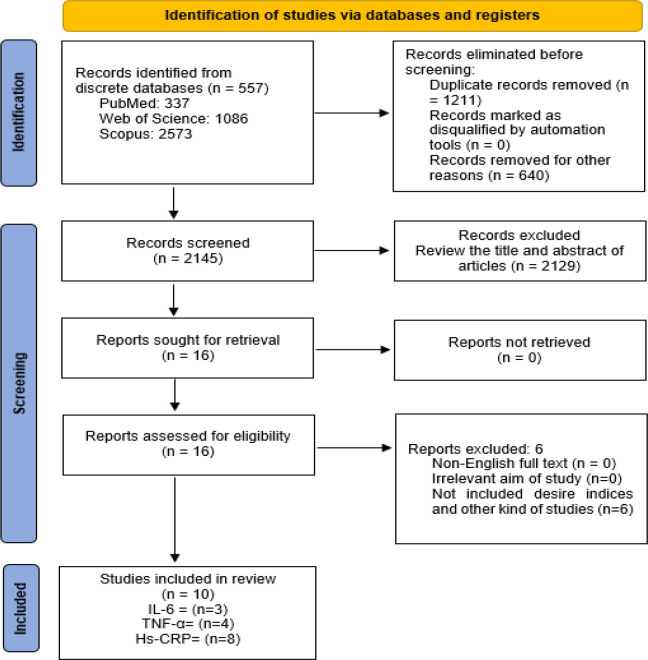
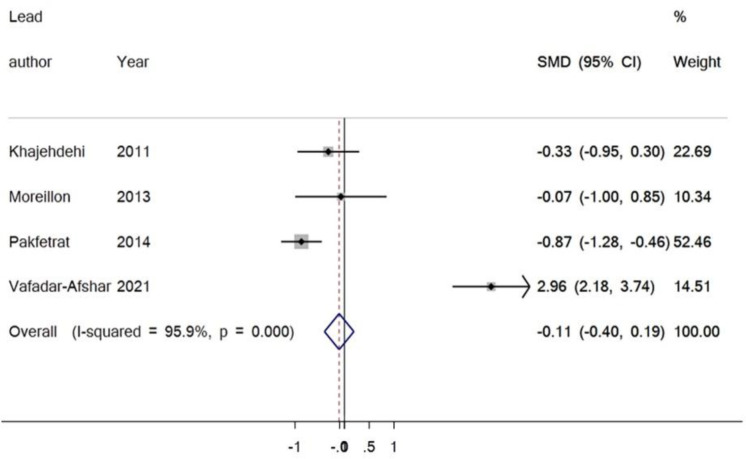
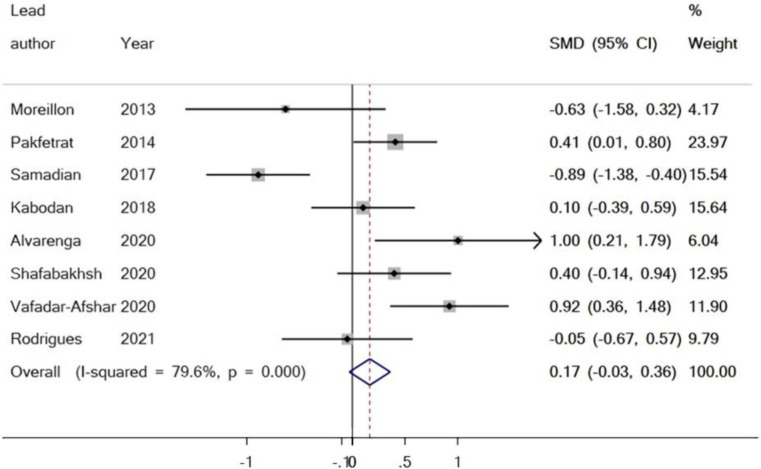
This meta-analysis was undertaken following PRISMA guidelines. An extensive systematic review was undertaken until 10/11/2021 using PubMed, Web of Science (ISI), and Scopus databases. The standardized mean difference (SMD) and 95% confidence intervals (CI) were used to estimate the overall effect size of curcumin on serum high-sensitivity C-reactive protein (hs-CRP), and pro-inflammatory cytokines including interleukin 6 (IL-6), and tumor necrosis factor α (TNF-α) in patients with CKD and those receiving HD.
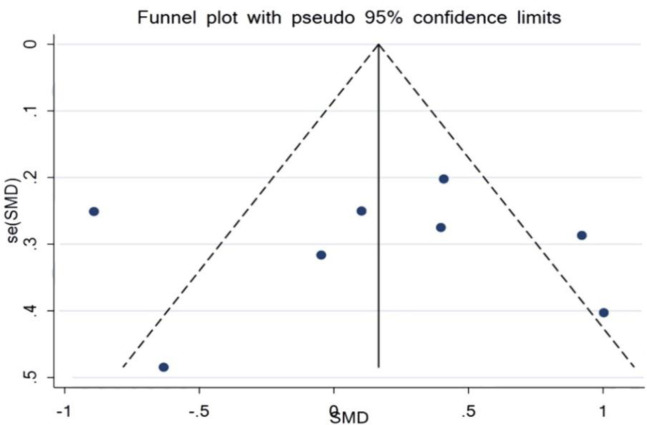
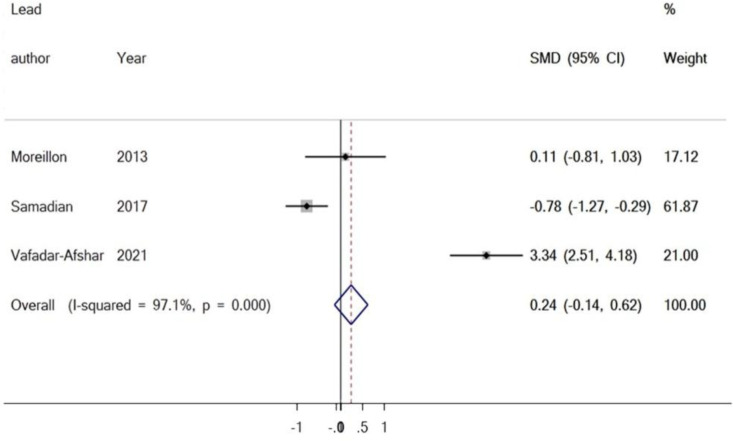
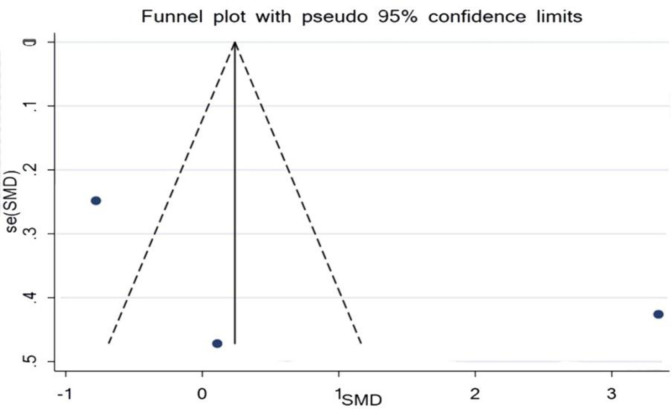
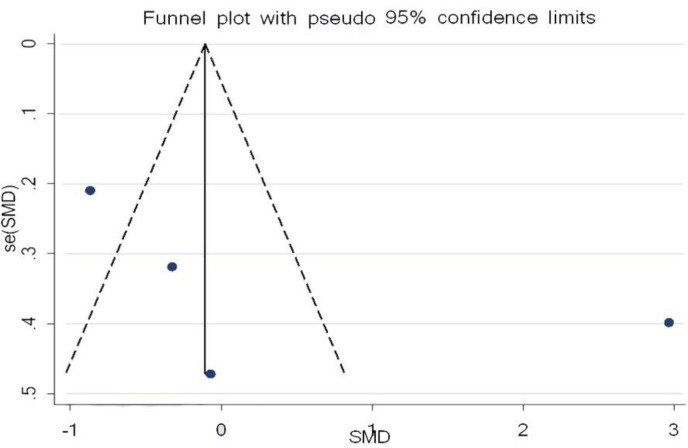
Overall, ten randomized controlled trials (RCTs) comprising 523 patients were incorporated into the systematic review and meta-analysis. The results showed that when compared with control groups, there was no significant effect observed linking curcumin and IL-6 (SMD = 0.24%, 95% CI = -0.14 to 0.62, p = 0.221), TNF-α (SMD = 0.11%, 95% CI = -0.19 to 0.40, p = 0.480) or hs-CRP (SMD = -0.17%, 95% CI = -0.36 to 0.03, p = 0.093). The analysis determined no publication bias related to the influence of curcumin on IL-6, TNF-α or acute phase reactant, hs-CRP. The Egger's and Begg's test results were not statistically significant (p˃0.20).
In patients with CKD and those receiving HD, the use of curcumin supplementation has no statistically significant effect on the anti-inflammatory biomarkers reviewed in this study.
本研究旨在确定姜黄素与慢性肾脏病(CKD)患者以及接受血液透析(HD)患者的促炎生物标志物之间的关联。
本荟萃分析遵循PRISMA指南进行。截至2021年11月10日,使用PubMed、科学网(ISI)和Scopus数据库进行了广泛的系统综述。标准化均值差(SMD)和95%置信区间(CI)用于估计姜黄素对CKD患者和接受HD患者血清高敏C反应蛋白(hs-CRP)以及促炎细胞因子(包括白细胞介素6(IL-6)和肿瘤坏死因子α(TNF-α))的总体效应大小。
总体而言,纳入系统综述和荟萃分析的有10项随机对照试验(RCT),共523例患者。结果显示,与对照组相比,未观察到姜黄素与IL-6(SMD = 0.24%,95%CI = -0.14至0.62,p = 0.221)、TNF-α(SMD = 0.11%,95%CI = -0.19至0.40,p = 0.480)或hs-CRP(SMD = -0.17%,95%CI = -0.36至0.03,p = 0.093)之间存在显著关联。分析确定不存在与姜黄素对IL-6、TNF-α或急性期反应物hs-CRP影响相关的发表偏倚。Egger检验和Begg检验结果无统计学意义(p>0.20)。
在CKD患者和接受HD的患者中,补充姜黄素对本研究中所评估的抗炎生物标志物无统计学显著影响。