Laboratory for Fundamental Science on Radioactive Geology and Exploration Technology, East China University of Technology, No. 418 Guanglan Avenue, Nanchang, 330013, Jiangxi, China.
Geophysics Department, Faculty of Science, Cairo University, P.O. 12613, Giza, Egypt.
Sci Rep. 2022 Dec 30;12(1):22578. doi: 10.1038/s41598-022-26265-0.
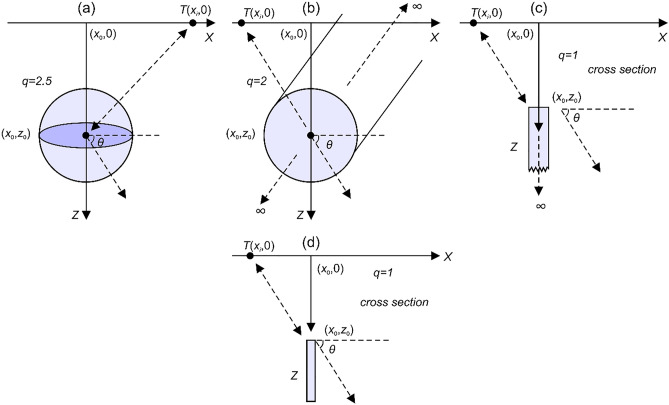
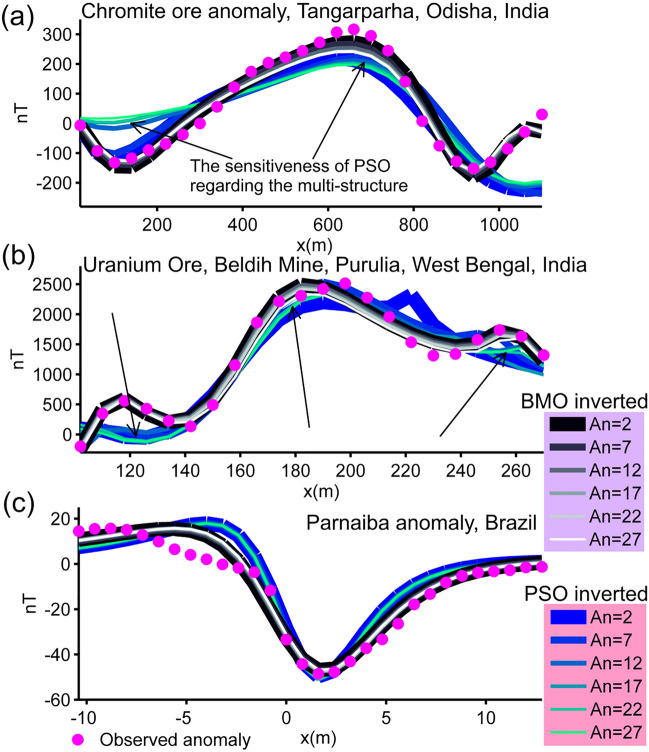
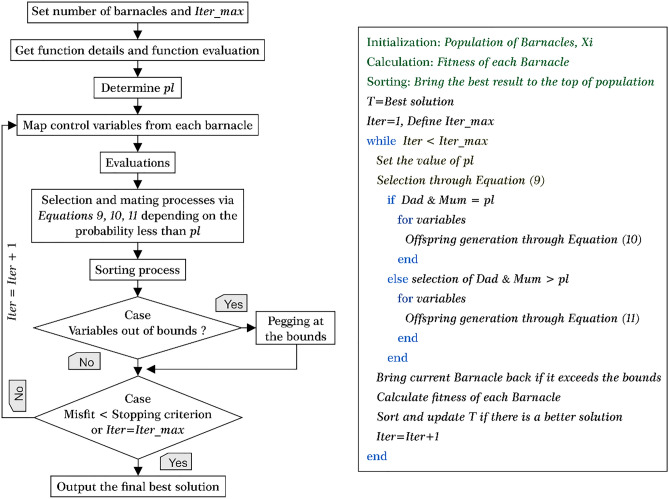
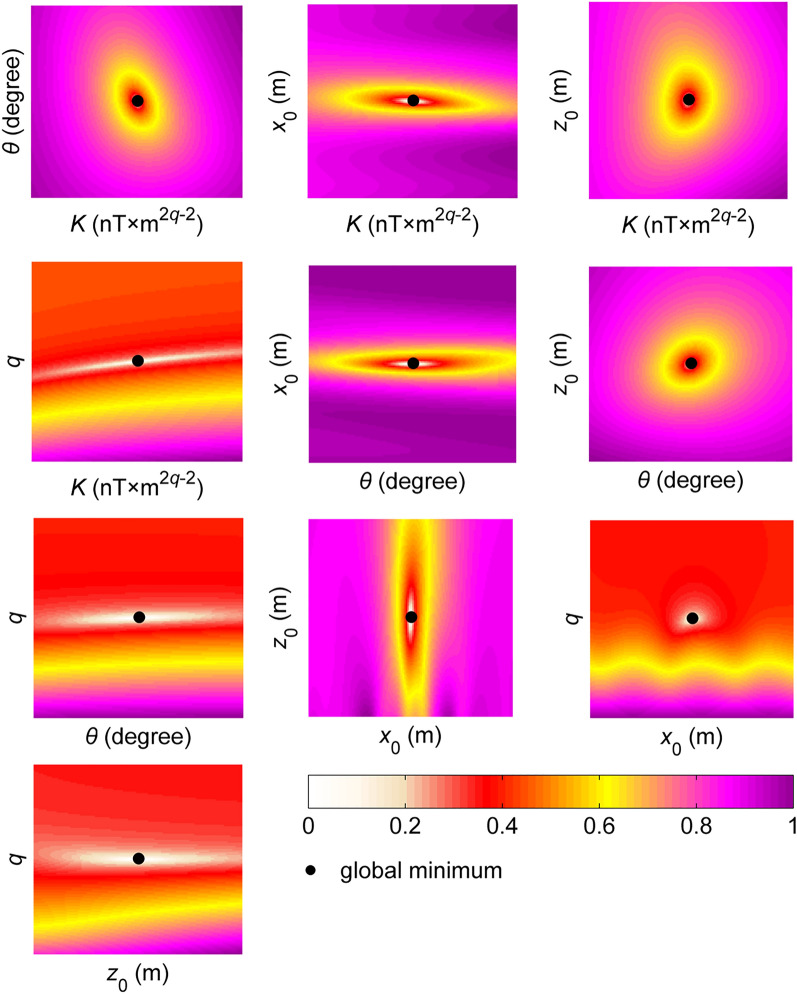
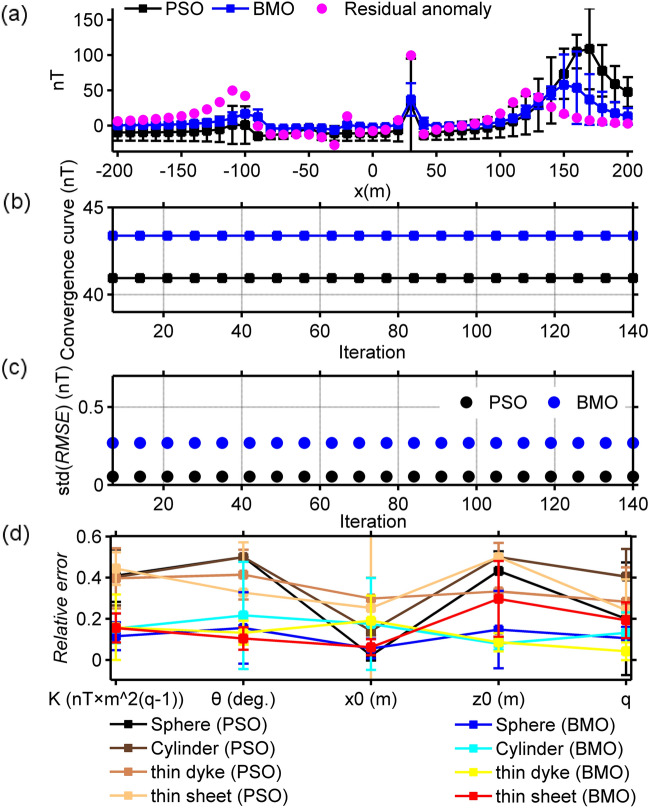
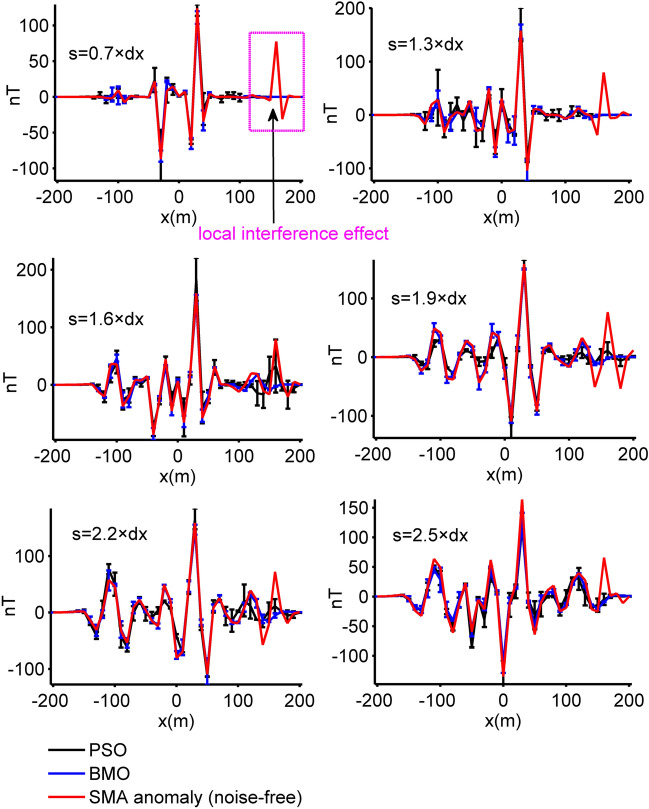
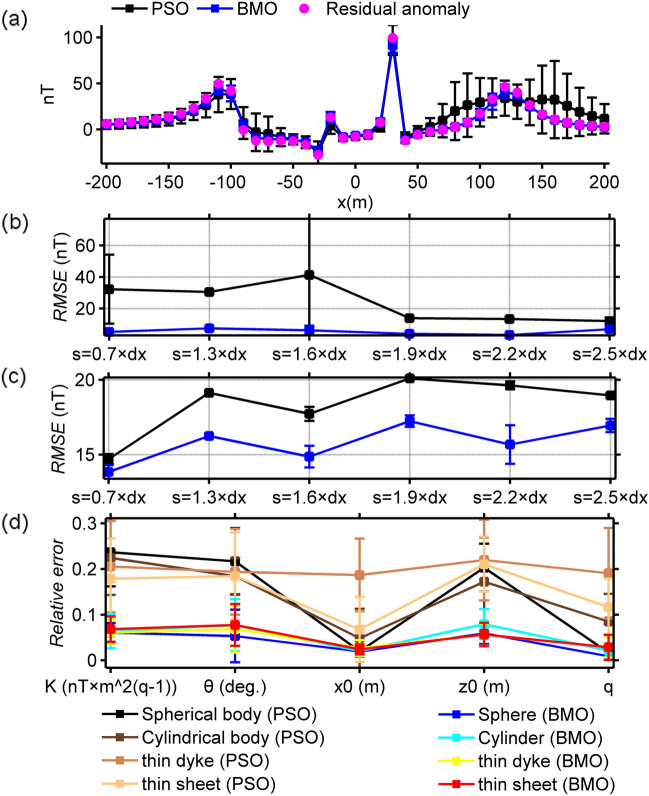
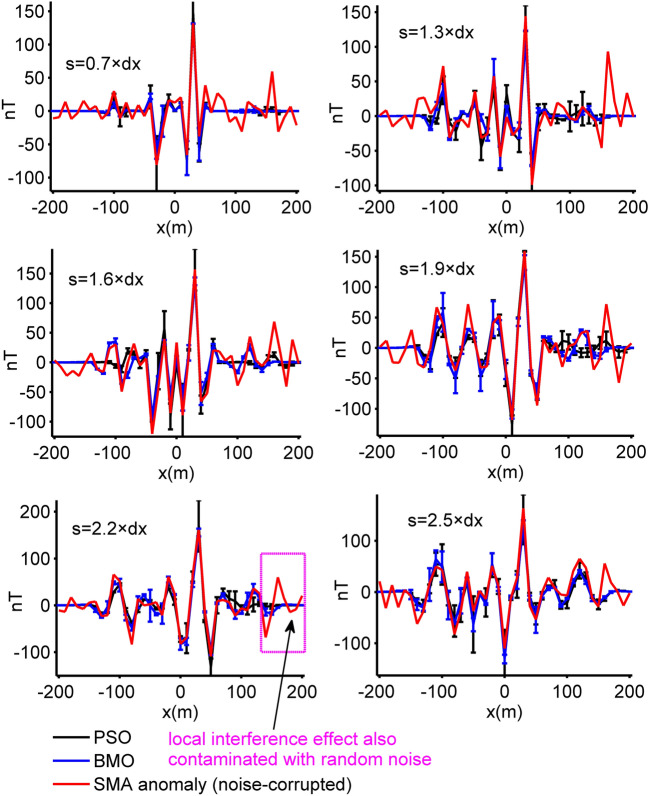
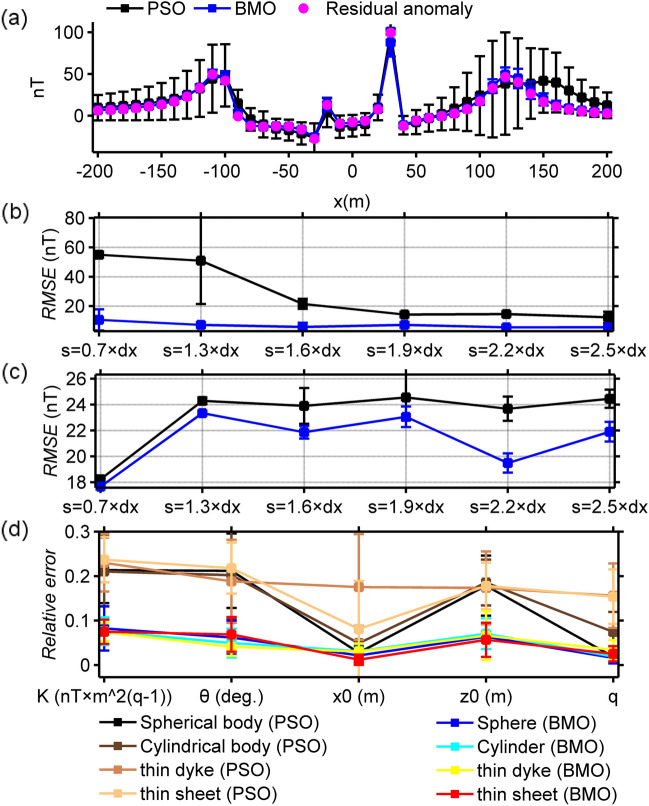
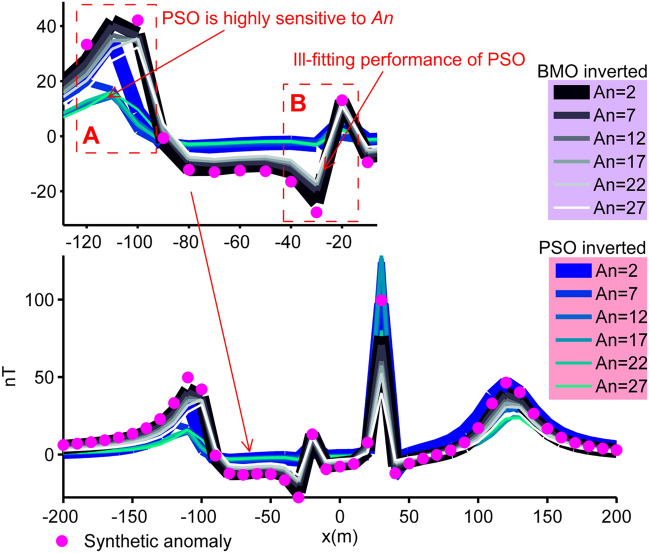
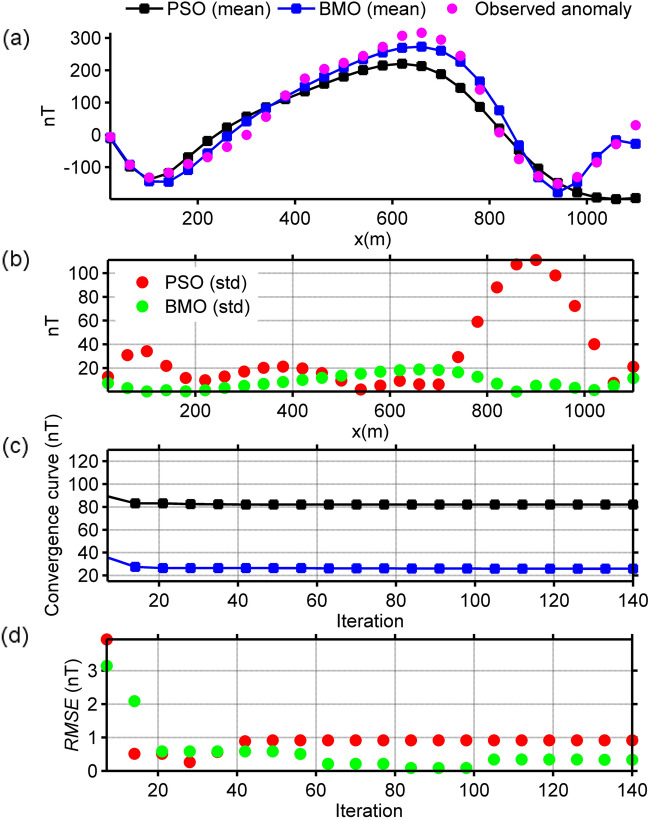
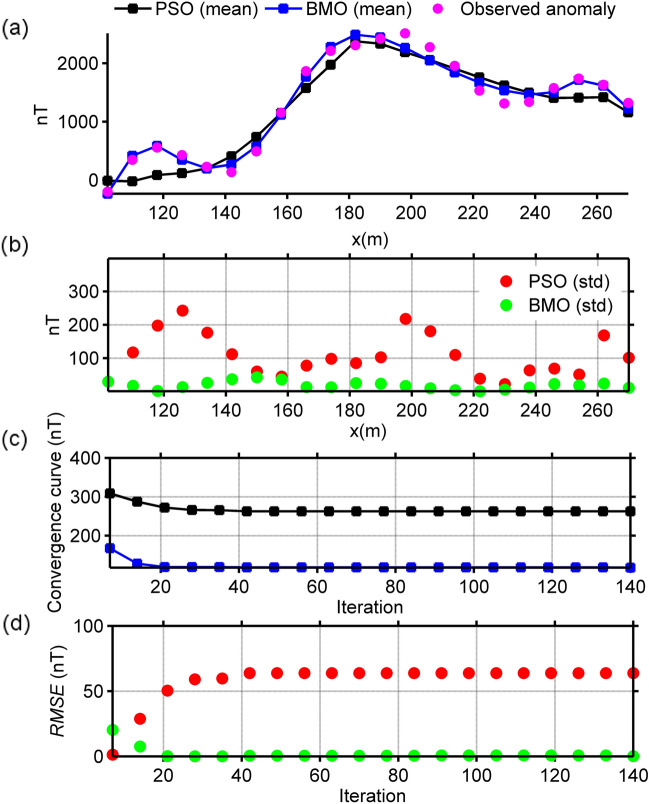
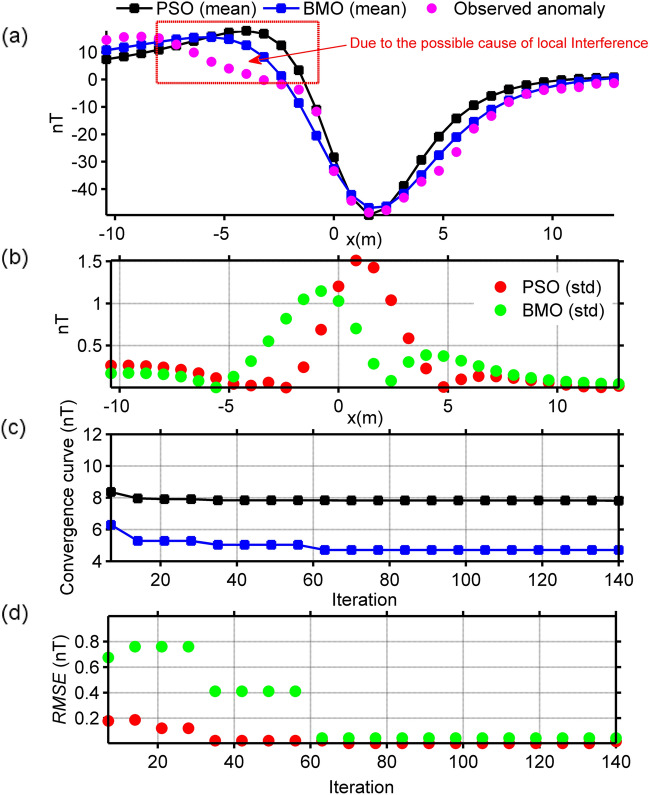
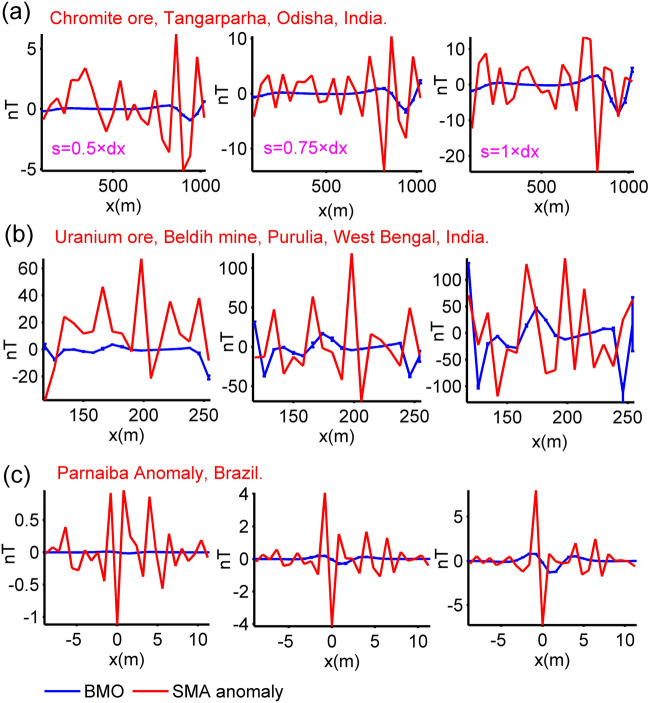
Dealing with the ill-posed and non-unique nature of the non-linear geophysical inverse problem via local optimizers requires the use of some regularization methods, constraints, and prior information about the Earth's complex interior. Another difficulty is that the success of local search algorithms depends on a well-designed initial model located close to the parameter set providing the global minimum. On the other hand, global optimization and metaheuristic algorithms that have the ability to scan almost the entire model space do not need an assertive initial model. Thus, these approaches are increasingly incorporated into parameter estimation studies and are also gaining more popularity in the geophysical community. In this study we present the Barnacles Mating Optimizer (BMO), a recently proposed global optimizer motivated by the special mating behavior of barnacles, to interpret magnetic anomalies. This is the first example in the literature of BMO application to a geophysical inverse problem. After performing modal analyses and parameter tuning processes, BMO has been tested on simulated magnetic anomalies generated from hypothetical models and subsequently applied to three real anomalies that are chromite deposit, uranium deposit and Mesozoic dike. A second moving average (SMA) scheme to eliminate regional anomalies from observed anomalies has been examined and certified. Post-inversion uncertainty assessment analyses have been also implemented to understand the reliability of the solutions achieved. Moreover, BMO's solutions for convergence rate, stability, robustness and accuracy have been compared with the solutions of the commonly used standard Particle Swarm Optimization (sPSO) algorithm. The results have shown that the BMO algorithm can scan the model parameter space more extensively without affecting its ability to consistently approach the unique global minimum in this presented inverse problem. We, therefore, recommend the use of competitive BMO in model parameter estimation studies performed with other geophysical methods.
通过局部优化器处理非线性地球物理反问题的不适定性和非唯一性,需要使用一些正则化方法、约束条件和关于地球复杂内部的先验信息。另一个困难是,局部搜索算法的成功取决于位于接近提供全局最小值的参数集的良好设计的初始模型。另一方面,具有扫描几乎整个模型空间的能力的全局优化和元启发式算法不需要有把握的初始模型。因此,这些方法越来越多地被纳入参数估计研究中,并且在地球物理界也越来越受欢迎。在本研究中,我们提出了Barnacles Mating Optimizer(BMO),这是一种最近提出的全局优化器,其灵感来自藤壶的特殊交配行为,用于解释磁异常。这是文献中首次将 BMO 应用于地球物理反问题的示例。在进行模态分析和参数调整过程后,BMO 已在从假设模型生成的模拟磁异常上进行了测试,随后应用于三个实际异常,即铬铁矿矿床、铀矿床和中生代岩脉。还检查并认证了用于从观测异常中消除区域异常的二次移动平均(SMA)方案。还实施了反演后不确定性评估分析,以了解所获得解的可靠性。此外,还比较了 BMO 的收敛速度、稳定性、鲁棒性和准确性解决方案与常用标准粒子群优化(sPSO)算法的解决方案。结果表明,BMO 算法可以更广泛地扫描模型参数空间,而不会影响其一致接近该反问题中独特全局最小值的能力。因此,我们建议在使用其他地球物理方法进行模型参数估计研究时使用竞争 BMO。