Department of Chemistry, Boston University, 590 Commonwealth Avenue, Boston, MA, 02215-2521, USA.
Department of Chemistry, Boston University, 590 Commonwealth Avenue, Boston, MA, 02215-2521, USA.
Curr Opin Chem Biol. 2023 Feb;72:102246. doi: 10.1016/j.cbpa.2022.102246. Epub 2023 Jan 2.
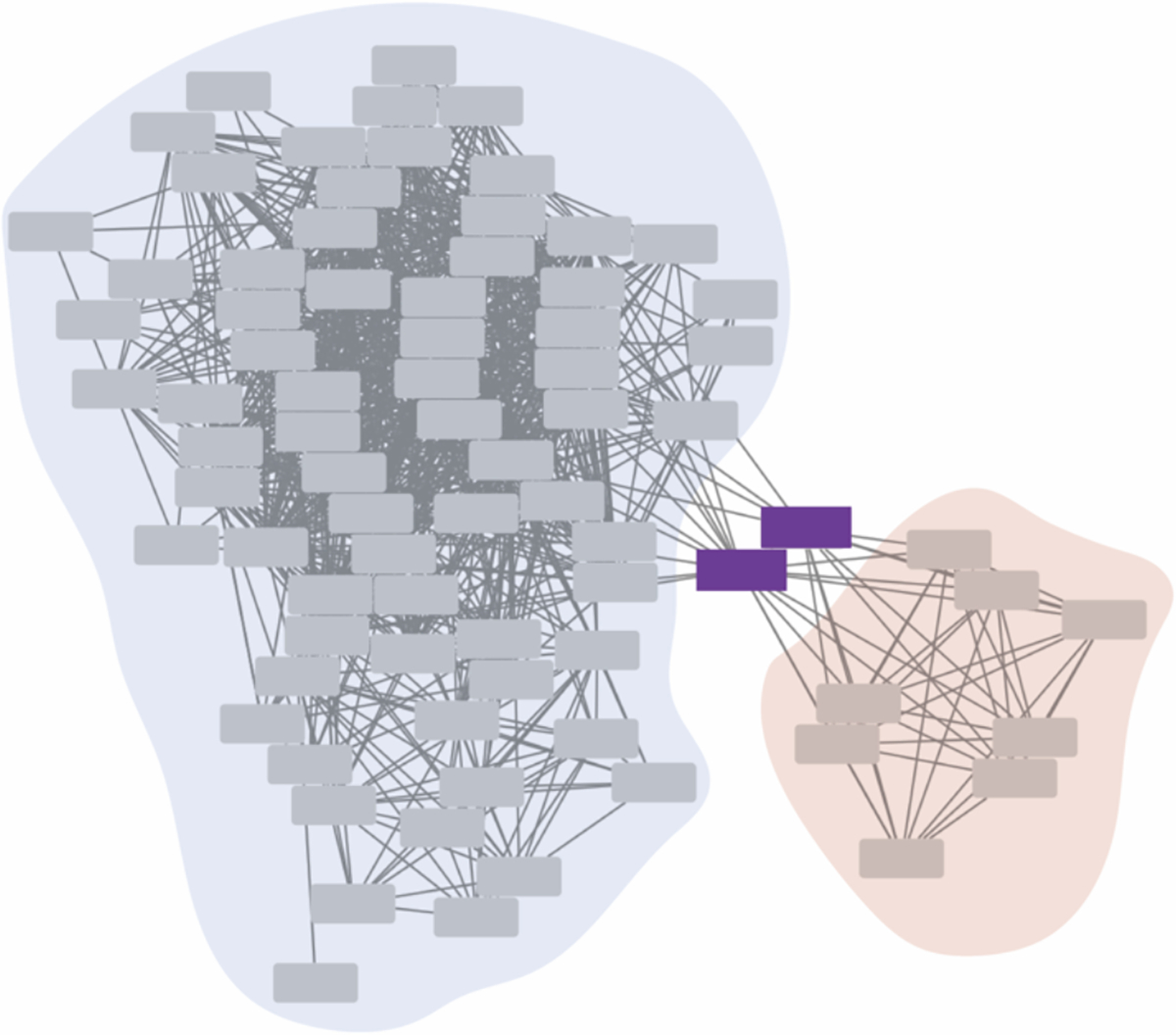
The use of protein sequence to inform enzymology in terms of structure, mechanism, and function has burgeoned over the past two decades. Referred to as genomic enzymology, the utilization of bioinformatic tools such as sequence similarity networks and phylogenetic analyses has allowed the identification of new substrates and metabolites, novel pathways, and unexpected reaction mechanisms. The holistic examination of superfamilies can yield insight into the origins and paths of evolution of enzymes and the range of their substrates and mechanisms. Herein, we highlight advances in the use of genomic enzymology to address problems which the in-depth analyses of a single enzyme alone could not enable.
在过去的二十年中,利用蛋白质序列来提供有关结构、机制和功能的酶学信息已经蓬勃发展。这种方法被称为基因组酶学,它利用生物信息学工具,如序列相似性网络和系统发育分析,可以识别新的底物和代谢物、新的途径和意想不到的反应机制。对超家族的整体研究可以深入了解酶的起源和进化途径以及它们的底物和机制的范围。在此,我们强调利用基因组酶学来解决单凭深入分析单个酶无法解决的问题方面的进展。