Alhazmi Hassan Ahmad, Albratty Mohammed
Department of Pharmaceutical Chemistry and Pharmacognosy, College of Pharmacy, Jazan University, P. Box No. 114, Jazan, Saudi Arabia.
Substance Abuse and Toxicology Research Centre, Jazan University, P. Box No. 114, Jazan, Saudi Arabia.
Saudi Pharm J. 2022 Dec;30(12):1755-1764. doi: 10.1016/j.jsps.2022.10.004. Epub 2022 Oct 12.
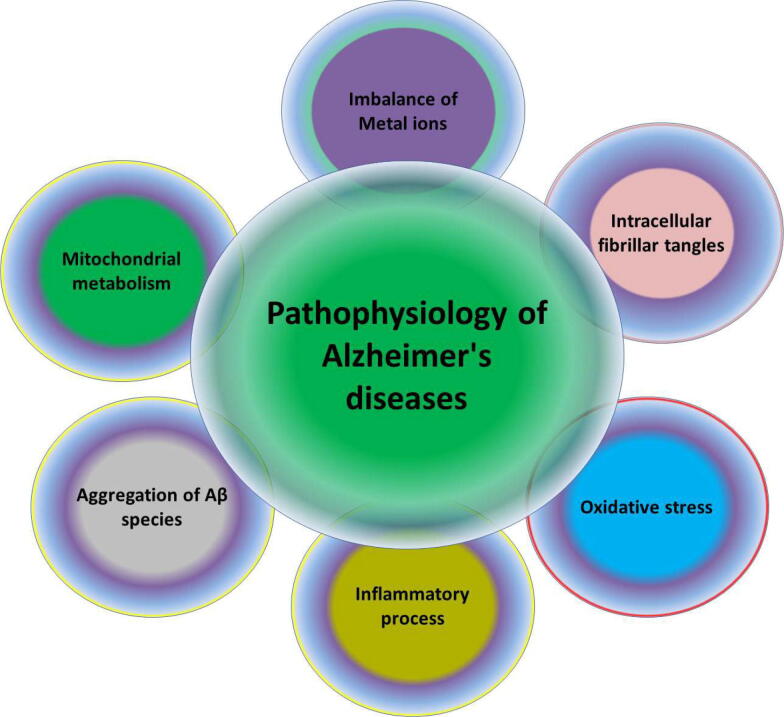
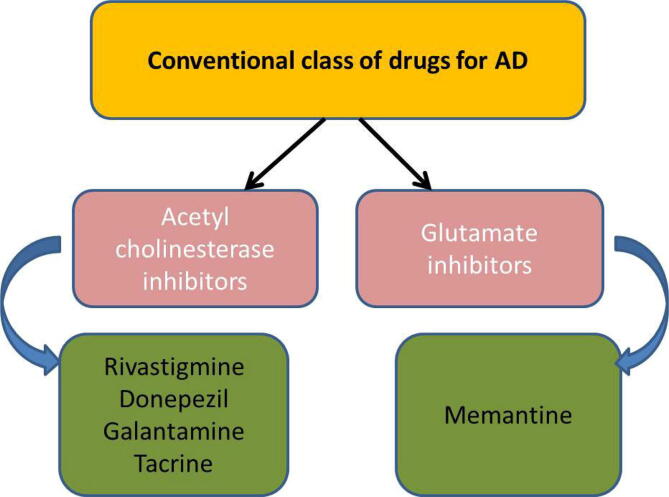
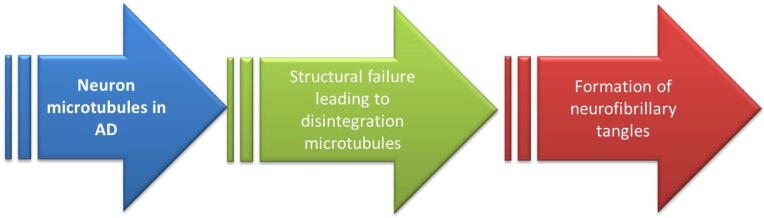
Given the severity of the condition and the increasing number of patients, developing effective therapies for Alzheimer's disease has become a significant necessity. Aggregation of Amyloid-Beta (Aβ) plaques and Tau Protein Tangles in the brain's nerve tissue are two of the most histopathological/pathophysiological symptoms. Another important element involved in the etiology of Alzheimer's disease is the reduction in acetylcholine (ACh) levels in the brain. Currently available medications for Alzheimer's disease treatment, such as cholinesterase inhibitors and an antagonist of the -methyl-d-aspartate receptor, can temporarily reduce dementia symptoms but not stop or reverse disease development. In addition, several medicinal plants have been shown to diminish the degenerative characteristics associated with Alzheimer's disease, either in its crude form or as isolated chemicals.
This review summarises the results from previous studies that reflect an array of novel therapies underway in various phases of clinical trials. Many are discontinued due to non-adherence to the designed endpoints or the surfacing of unavoidable side effects. The present piece of article focuses on the approved drugs for the treatment of Alzheimer's disease and their related mode of action as well as the promising therapies for the treatment of the said disease. Special attention has been placed on the researched herbal drugs, with the pipeline of novel therapies underway in various phases of clinical trials.
The current article includes a list of approved pharmaceuticals for treating Alzheimer's disease, prospective therapies for the illness's treatment, and a pipeline of novel therapies in various stages of clinical trials.
The results suggest that the drugs under clinical trials may open new pathways for the effective treatment of patients with Alzheimer's disease while improving their quality of life.
鉴于该病症的严重性以及患者数量的不断增加,开发有效的阿尔茨海默病治疗方法已成为一项重大需求。淀粉样β(Aβ)斑块在大脑神经组织中的聚集和tau蛋白缠结是两种最典型的组织病理学/病理生理学症状。阿尔茨海默病病因中涉及的另一个重要因素是大脑中乙酰胆碱(ACh)水平的降低。目前用于治疗阿尔茨海默病的药物,如胆碱酯酶抑制剂和N-甲基-D-天冬氨酸受体拮抗剂,可以暂时减轻痴呆症状,但不能阻止或逆转疾病的发展。此外,一些药用植物已被证明,无论是其粗提物还是分离出的化学物质,都能减轻与阿尔茨海默病相关的退行性特征。
本综述总结了以往研究的结果,这些结果反映了处于临床试验各个阶段的一系列新疗法。许多疗法由于未达到设定的终点或出现不可避免的副作用而被终止。本文重点关注已批准的用于治疗阿尔茨海默病的药物及其相关作用模式,以及治疗该疾病的有前景的疗法。特别关注了已研究的草药药物,以及处于临床试验各个阶段的新疗法进展情况。
本文列出了已批准的用于治疗阿尔茨海默病的药物、该疾病的前瞻性治疗方法,以及处于临床试验不同阶段的新疗法进展情况。
结果表明,正在进行临床试验的药物可能为有效治疗阿尔茨海默病患者开辟新途径,同时提高他们的生活质量。