Department of Infection Immunology, Leibniz Institute for Natural Product Research and Infection Biology, Hans-Knöll-Institute, Jena, Germany.
Center for Translational Cancer Research & Institute of Virology, Technical University of Munich, Munich, Germany.
Nat Immunol. 2023 Feb;24(2):295-308. doi: 10.1038/s41590-022-01386-w. Epub 2023 Jan 5.
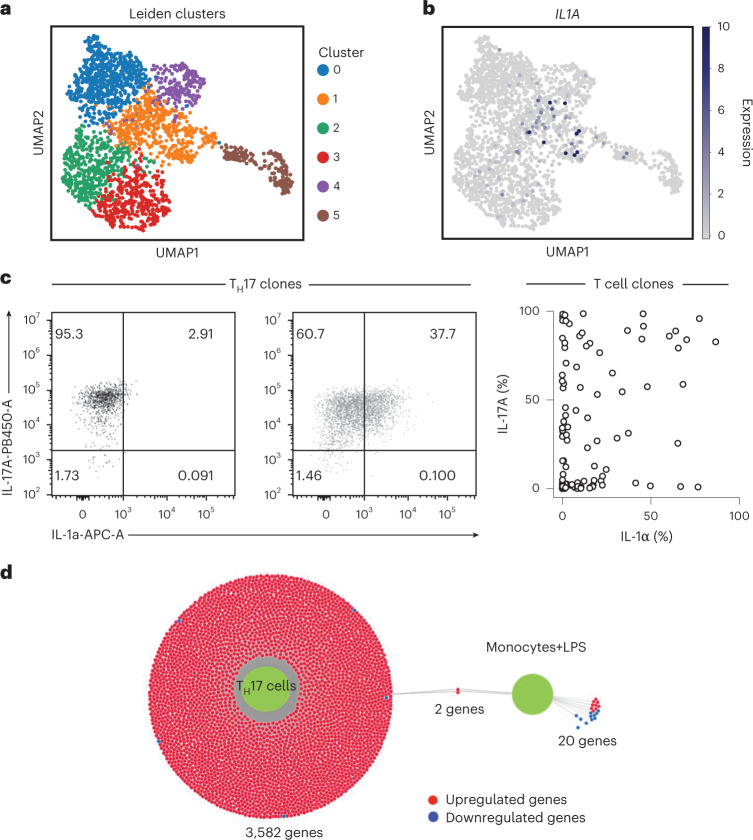
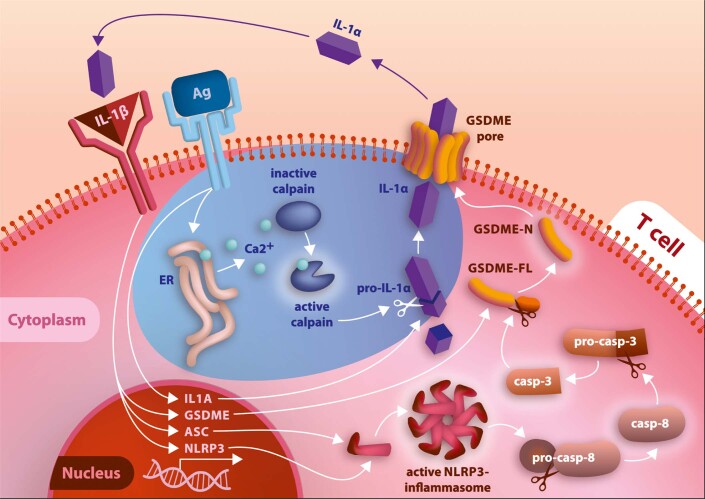
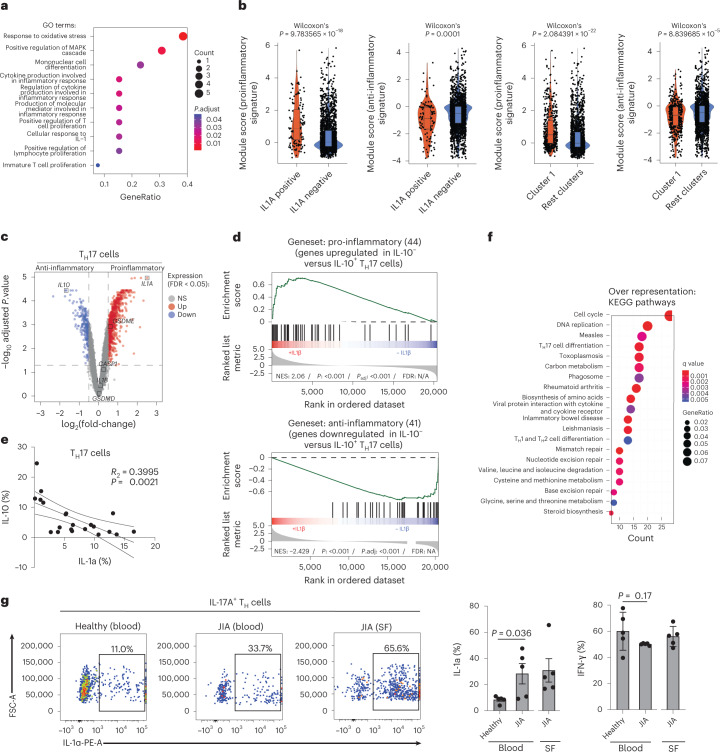
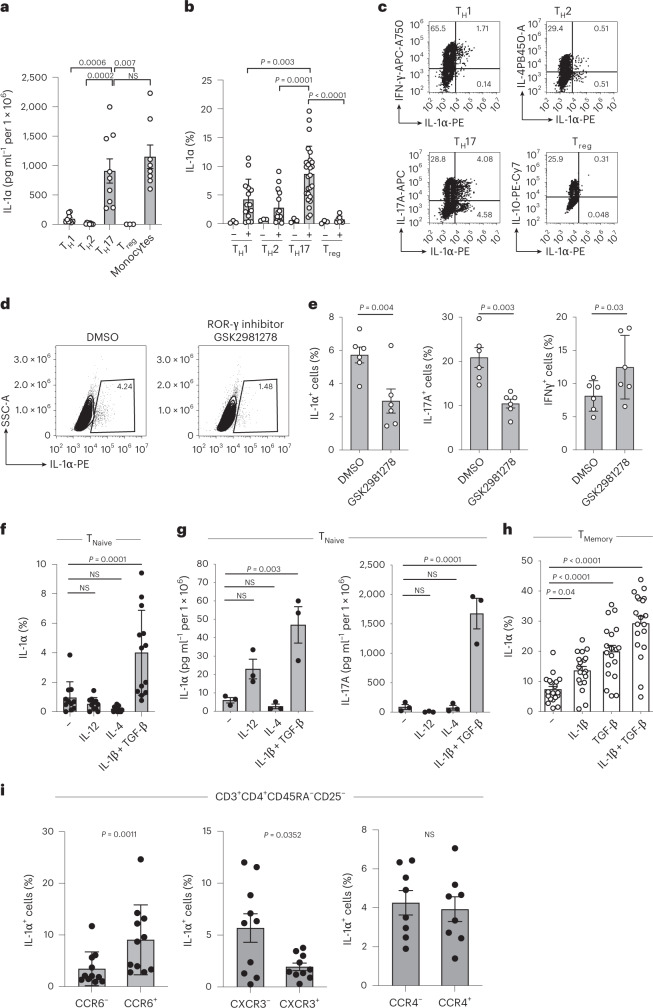
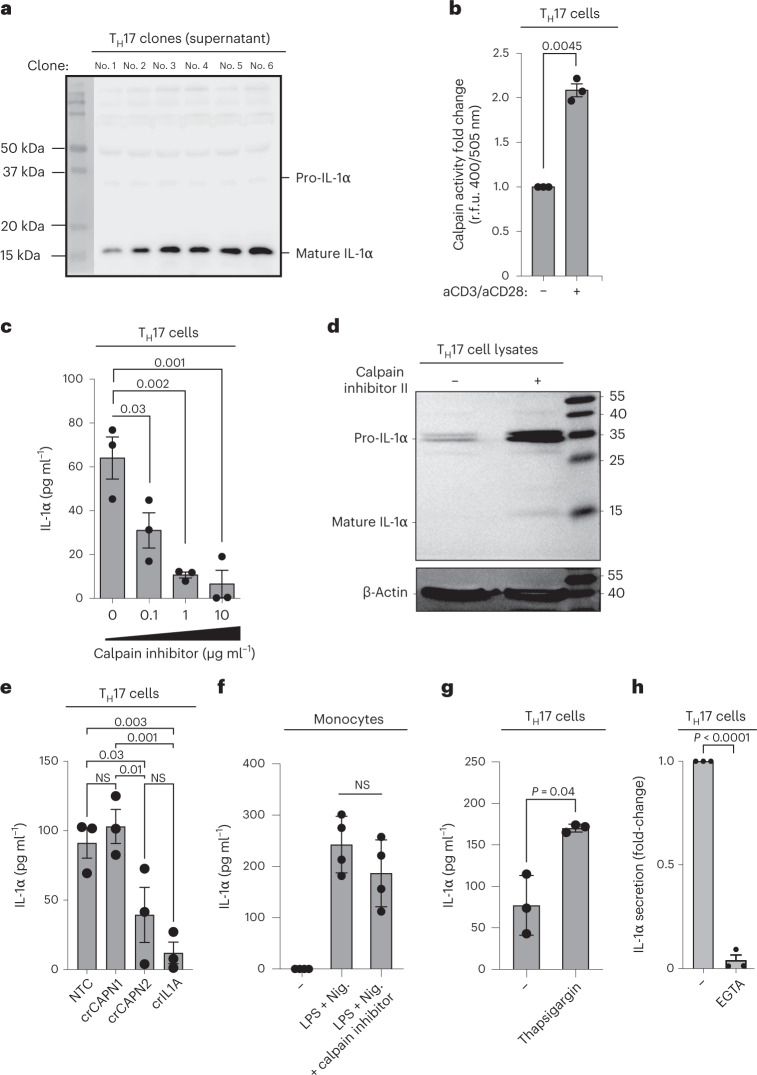
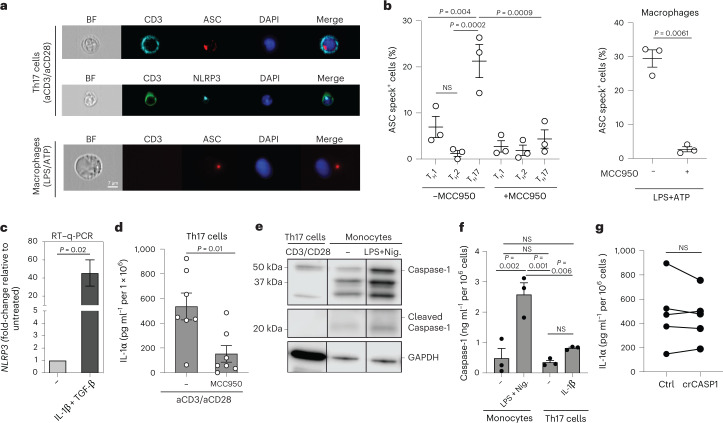
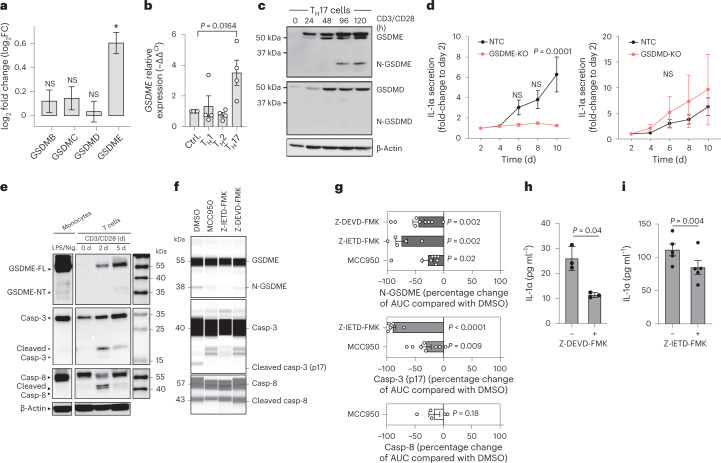
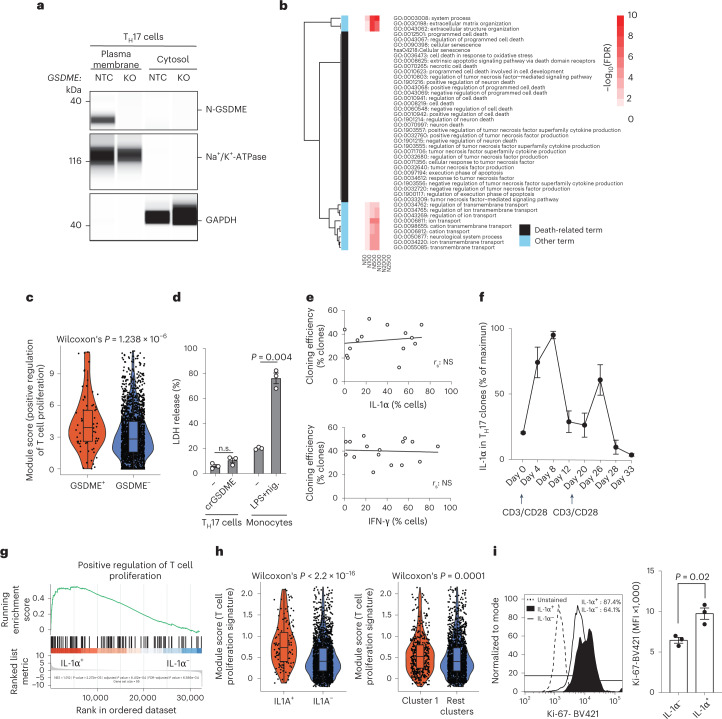
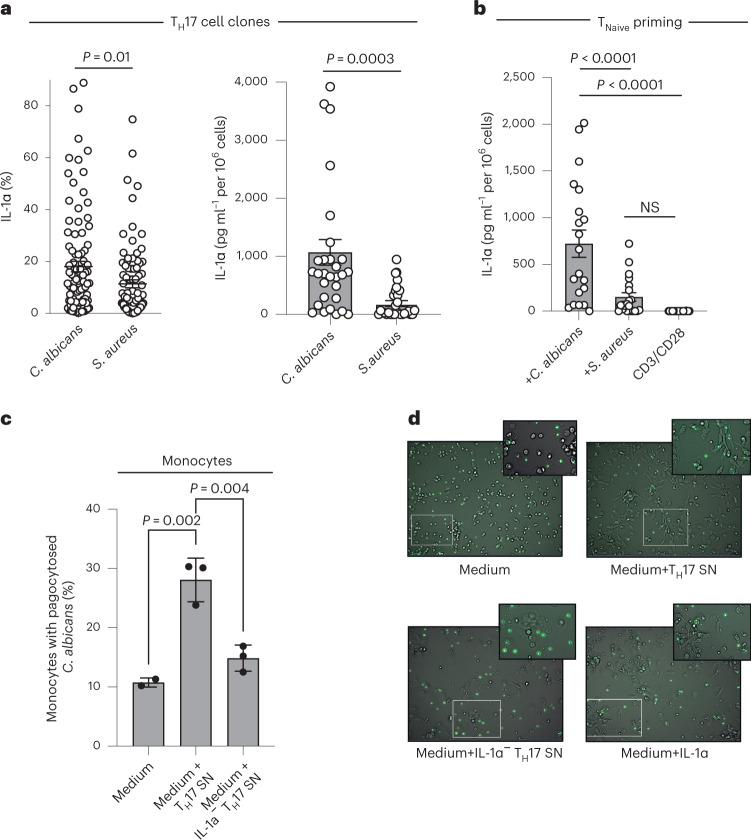
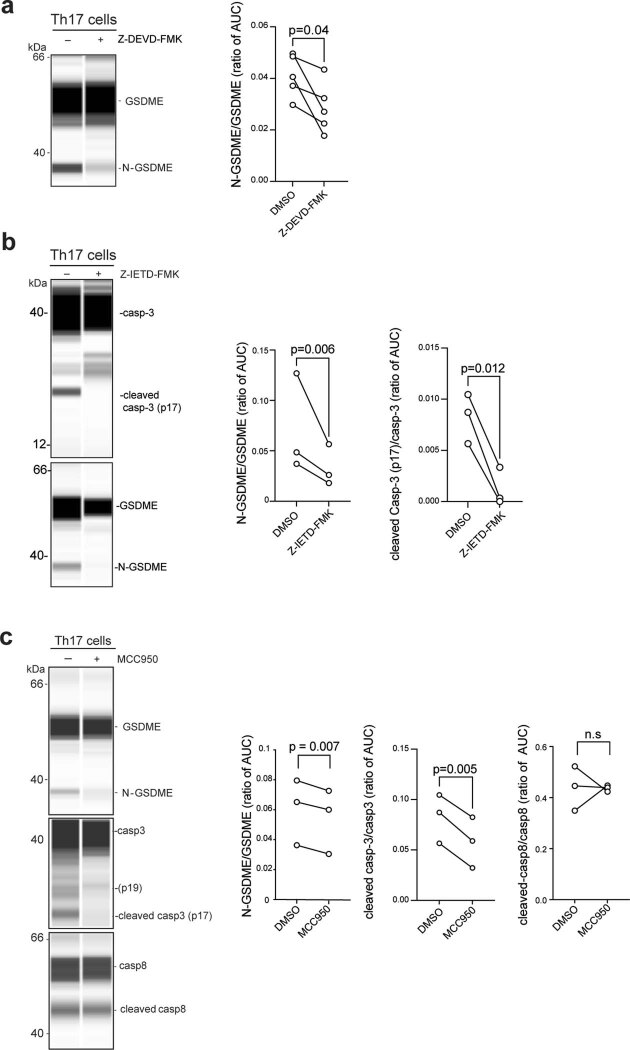
It has been shown that innate immune responses can adopt adaptive properties such as memory. Whether T cells utilize innate immune signaling pathways to diversify their repertoire of effector functions is unknown. Gasdermin E (GSDME) is a membrane pore-forming molecule that has been shown to execute pyroptotic cell death and thus to serve as a potential cancer checkpoint. In the present study, we show that human T cells express GSDME and, surprisingly, that this expression is associated with durable viability and repurposed for the release of the alarmin interleukin (IL)-1α. This property was restricted to a subset of human helper type 17 T cells with specificity for Candida albicans and regulated by a T cell-intrinsic NLRP3 inflammasome, and its engagement of a proteolytic cascade of successive caspase-8, caspase-3 and GSDME cleavage after T cell receptor stimulation and calcium-licensed calpain maturation of the pro-IL-1α form. Our results indicate that GSDME pore formation in T cells is a mechanism of unconventional cytokine release. This finding diversifies our understanding of the functional repertoire and mechanistic equipment of T cells and has implications for antifungal immunity.
已经表明,先天免疫反应可以采用适应性特性,例如记忆。T 细胞是否利用先天免疫信号通路来多样化其效应功能库尚不清楚。Gasdermin E(GSDME)是一种膜孔形成分子,已被证明可执行细胞焦亡,因此可作为潜在的癌症检查点。在本研究中,我们表明人类 T 细胞表达 GSDME,令人惊讶的是,这种表达与持久的存活能力有关,并被重新用于释放警报素白细胞介素(IL)-1α。这种特性仅限于对白色念珠菌具有特异性的人类辅助性 17 T 细胞亚群,并受 T 细胞内在的 NLRP3 炎性小体调节,其通过蛋白酶级联反应,在 T 细胞受体刺激和钙许可的钙蛋白酶成熟前体 IL-1α 形式后,连续切割半胱天冬酶-8、半胱天冬酶-3 和 GSDME。我们的结果表明,T 细胞中的 GSDME 孔形成是一种非常规细胞因子释放的机制。这一发现使我们对 T 细胞的功能库和机械装备有了更深入的了解,并对抗真菌免疫具有重要意义。