Cardiovascular Research Unit, University of Abuja and University of Abuja Teaching Hospital, Gwagwalada, Abuja 902101, Nigeria.
Department of Epidemiology and Global Health, University Medical Centre, Utrecht University, 3584 CG Utrecht, The Netherlands.
Nutrients. 2022 Dec 21;15(1):27. doi: 10.3390/nu15010027.
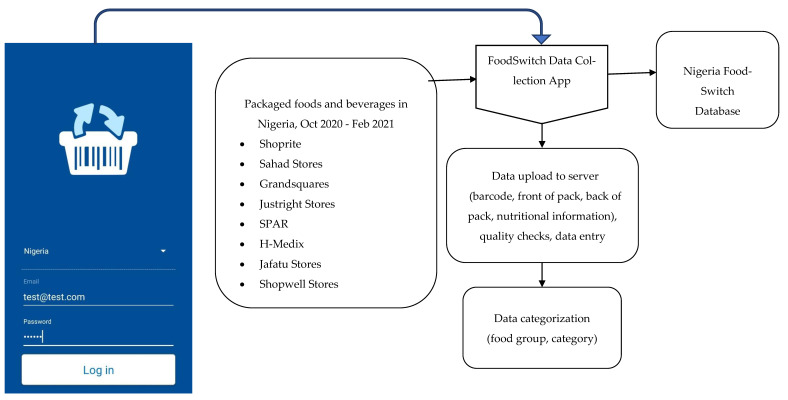
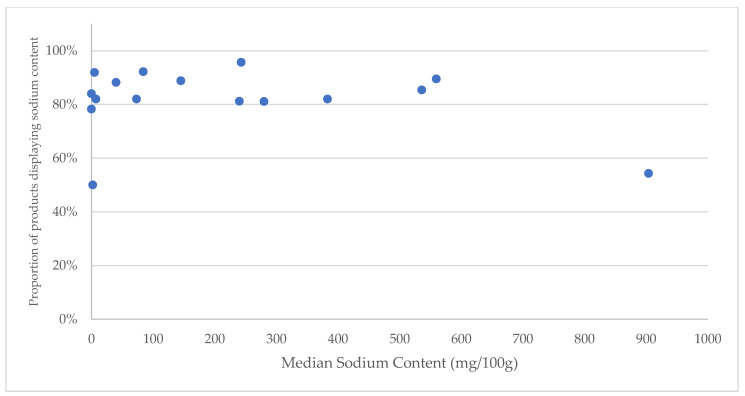
Increased consumption of unhealthy processed foods, particularly those high in sodium, is a major risk factor for cardiovascular diseases. The nutrition information on packaged foods can help guide consumers toward products with less sodium and support government actions to improve the healthiness of the food supply. The aims of this study were to estimate the proportion of packaged foods displaying nutrition information for sodium and other nutrients specified by Nigerian nutrition labelling regulations and to determine the amount of sodium in packaged foods sold in Nigeria using data from the nutritional information panel. Data were collected from November 2020 to March 2021 from in-store surveys conducted in supermarkets in three states. A total of 7039 products were collected. Overall, 91.5% ( = 6439) provided only partial nutrition information, 7.0% ( = 495) provided no nutritional information, and only 1.5% ( = 105) displayed a nutrient declaration that included all nutrients specified by 2019 Nigerian regulations. Some form of sodium content information was displayed for 86% of all products ( = 6032), of which around 45% ( = 2689) expressed this as 'salt' and 59% ( = 3559) expressed this as 'sodium', while a small number of food products had both 'salt' and 'sodium' content (3.6%). Provision of sodium or salt information on the label varied between food categories, ranging from 50% (vitamins and supplements, = 2/4) to 96% (convenience foods, = 44/46). Food categories with the highest median sodium content were 'meat and meat alternatives' (904 mg/100 g), 'sauces, dressings, spreads, and dips' (560 mg/100 g), and 'snack foods' (536 mg/100 g), although wide variation was often observed within categories. These findings highlight considerable potential to improve the availability and consistency of nutrition information on packaged products in Nigeria and to introduce further policies to reduce the amount of sodium in the Nigerian food supply.
食用不健康加工食品(尤其是高钠食品)的增多,是心血管疾病的一个主要风险因素。包装食品的营养信息可以帮助消费者选择钠含量较低的产品,并支持政府采取行动改善食品供应的健康度。本研究旨在估计尼日利亚营养标签法规规定的营养信息(包括钠和其他营养素)在包装食品上的展示比例,并利用营养信息面板数据来确定尼日利亚销售的包装食品中的钠含量。数据于 2020 年 11 月至 2021 年 3 月期间从三个州的超市店内调查中收集。共收集了 7039 种产品。总体而言,91.5%(=6439)的产品仅提供部分营养信息,7.0%(=495)的产品未提供营养信息,只有 1.5%(=105)的产品显示了符合 2019 年尼日利亚法规规定的所有营养素声明。约 86%(=6032)的所有产品都显示了某种形式的钠含量信息,其中约 45%(=2689)表示为“盐”,59%(=3559)表示为“钠”,而少数食品产品同时含有“盐”和“钠”含量(3.6%)。标签上钠或盐信息的提供情况因食品类别而异,范围从 50%(维生素和补充剂,=2/4)到 96%(方便食品,=44/46)。“肉类和肉类替代品”(904mg/100g)、“酱汁、调味料、涂抹酱和蘸酱”(560mg/100g)和“零食”(536mg/100g)的钠含量中位数最高,尽管类别内通常存在较大差异。这些发现突出表明,尼日利亚在包装产品上提供营养信息的可及性和一致性有很大的改进空间,并可进一步出台政策来减少尼日利亚食品供应中的钠含量。