Faculty of Computer Studies, Arab Open University, Riyadh 11681, Saudi Arabia.
Department of Industrial Engineering, Faculty of Engineering at Rabigh, King Abdulaziz University, Jeddah 21589, Saudi Arabia.
Sensors (Basel). 2022 Dec 28;23(1):324. doi: 10.3390/s23010324.
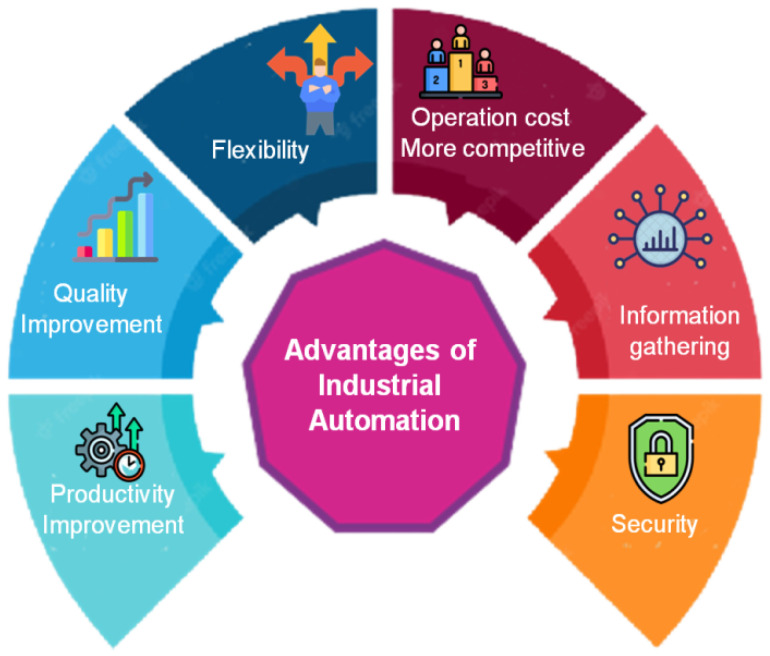
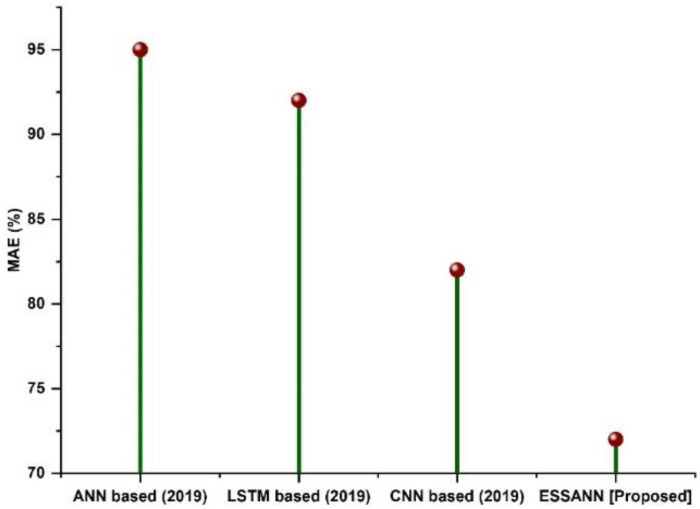
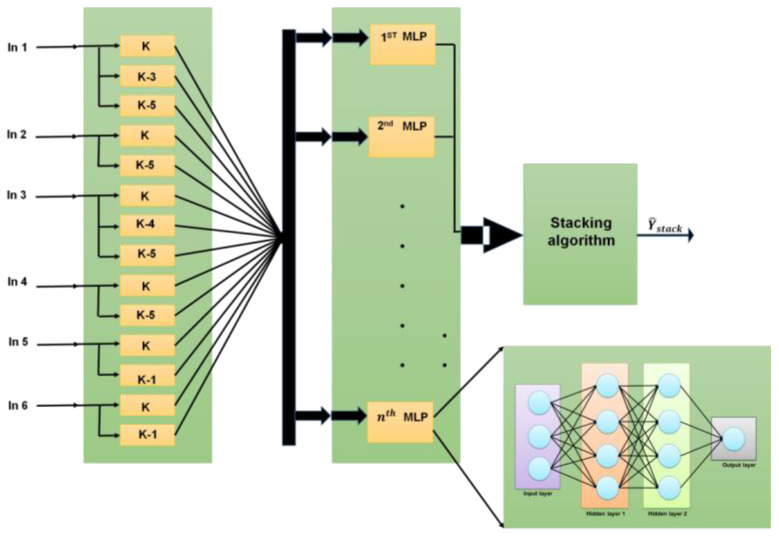
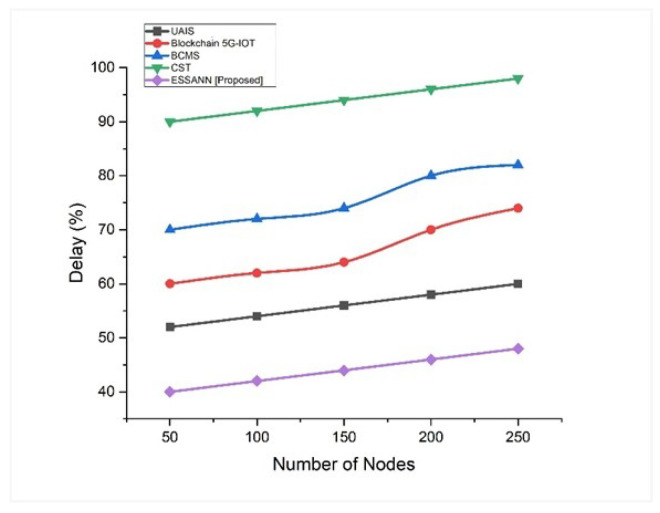
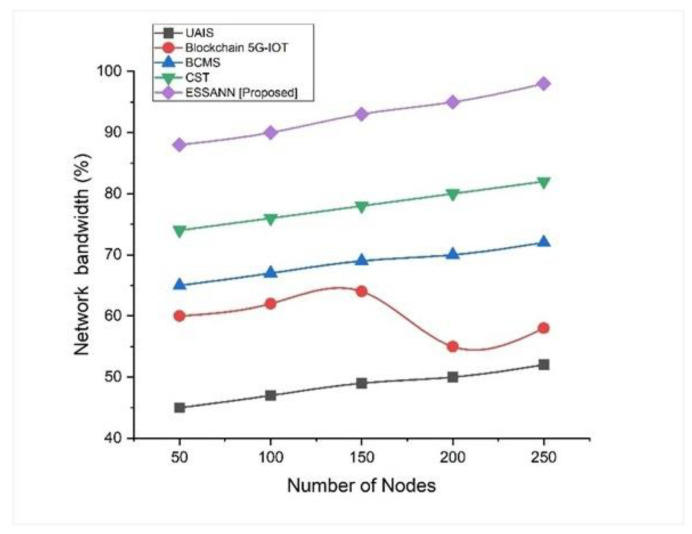
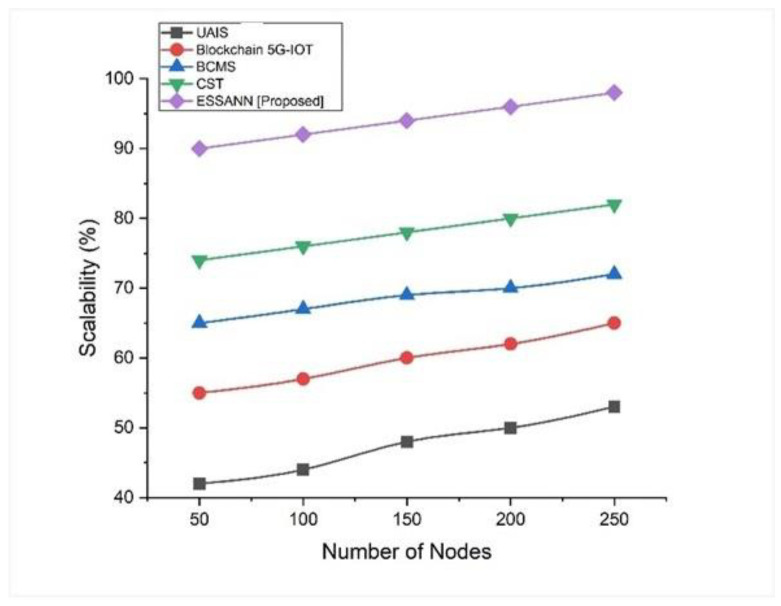
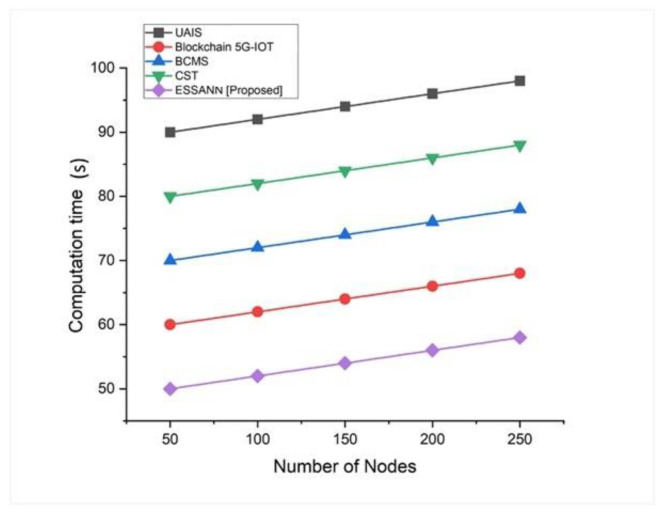
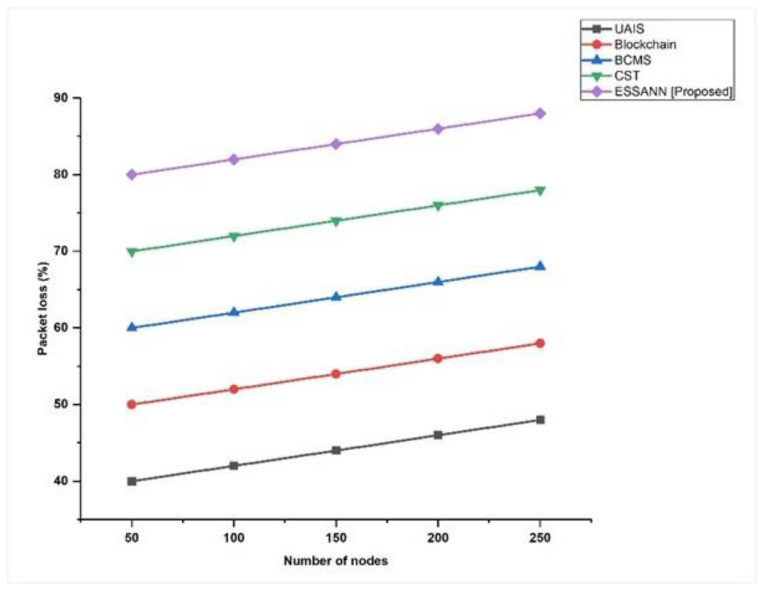
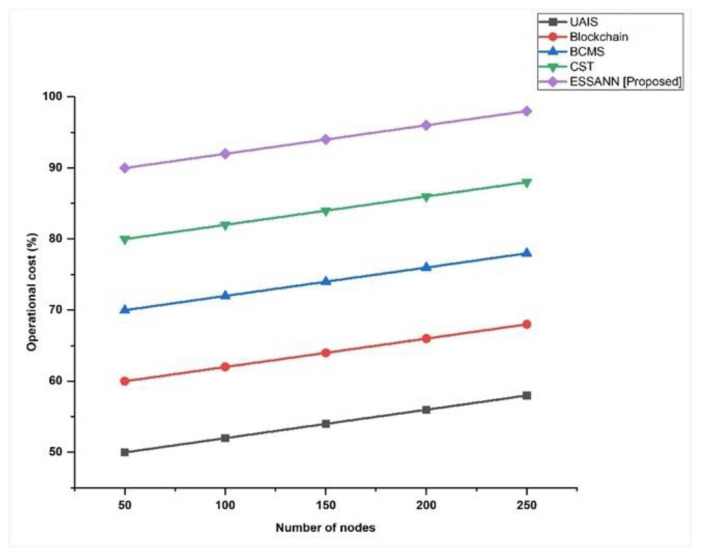
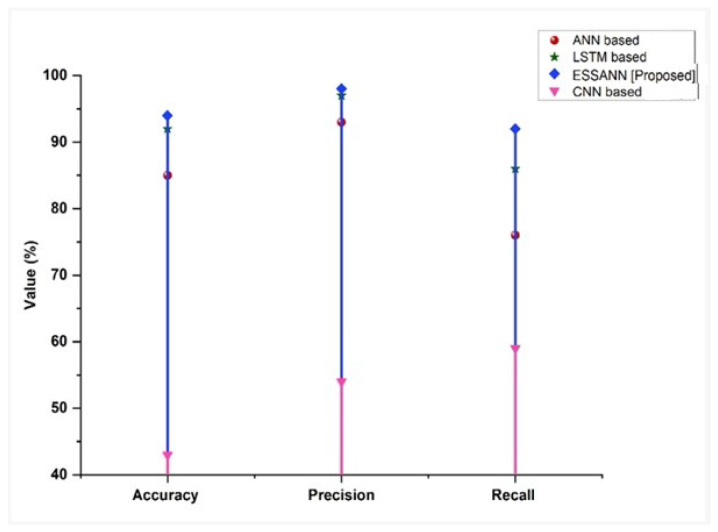
Industrial automation uses robotics and software to operate equipment and procedures across industries. Many applications integrate IoT, machine learning, and other technologies to provide smart features that improve the user experience. The use of such technology offers businesses and people tremendous assistance in successfully achieving commercial and noncommercial requirements. Organizations are expected to automate industrial processes owing to the significant risk management and inefficiency of conventional processes. Hence, we developed an elaborative stepwise stacked artificial neural network (ESSANN) algorithm to greatly improve automation industries in controlling and monitoring the industrial environment. Initially, an industrial dataset provided by KLEEMANN Greece was used. The collected data were then preprocessed. Principal component analysis (PCA) was used to extract features, and feature selection was based on least absolute shrinkage and selection operator (LASSO). Subsequently, the ESSANN approach is proposed to improve automation industries. The performance of the proposed algorithm was also examined and compared with that of existing algorithms. The key factors compared with existing technologies are delay, network bandwidth, scalability, computation time, packet loss, operational cost, accuracy, precision, recall, and mean absolute error (MAE). Compared to traditional algorithms for industrial automation, our proposed techniques achieved high results, such as a delay of approximately 52%, network bandwidth accomplished at 97%, scalability attained at 96%, computation time acquired at 59 s, packet loss achieved at a minimum level of approximately 53%, an operational cost of approximately 59%, accuracy of 98%, precision of 98.95%, recall of 95.02%, and MAE of 80%. By analyzing the results, it can be seen that the proposed system was effectively implemented.
工业自动化使用机器人和软件来操作跨行业的设备和程序。许多应用程序集成了物联网、机器学习和其他技术,提供智能功能,改善用户体验。这种技术的使用为企业和人们在成功实现商业和非商业需求方面提供了巨大的帮助。由于传统流程的风险管理和效率低下,组织有望实现工业流程的自动化。因此,我们开发了一种详尽的分步堆叠人工神经网络(ESSANN)算法,以极大地提高自动化行业在控制和监测工业环境方面的能力。最初,使用了 KLEEMANN 希腊提供的工业数据集。然后对收集到的数据进行预处理。主成分分析(PCA)用于提取特征,特征选择基于最小绝对值收缩和选择算子(LASSO)。随后,提出了 ESSANN 方法来改进自动化行业。还检查并比较了所提出算法的性能与现有算法的性能。与现有技术相比的关键因素是延迟、网络带宽、可扩展性、计算时间、数据包丢失、运营成本、准确性、精度、召回率和平均绝对误差(MAE)。与传统的工业自动化算法相比,我们提出的技术取得了很高的成果,例如延迟约为 52%,网络带宽达到 97%,可扩展性达到 96%,计算时间达到 59 秒,数据包丢失达到约 53%的最低水平,运营成本约为 59%,准确率为 98%,精度为 98.95%,召回率为 95.02%,MAE 为 80%。通过分析结果可以看出,所提出的系统得到了有效实施。