Department of Surgery, College of Medicine, Najran University Saudi Arabia, Najran 11001, Saudi Arabia.
Department of Computer Science, Edge Hill University, St Helens Rd., Ormskirk L39 4QP, UK.
Sensors (Basel). 2022 Feb 12;22(4):1420. doi: 10.3390/s22041420.
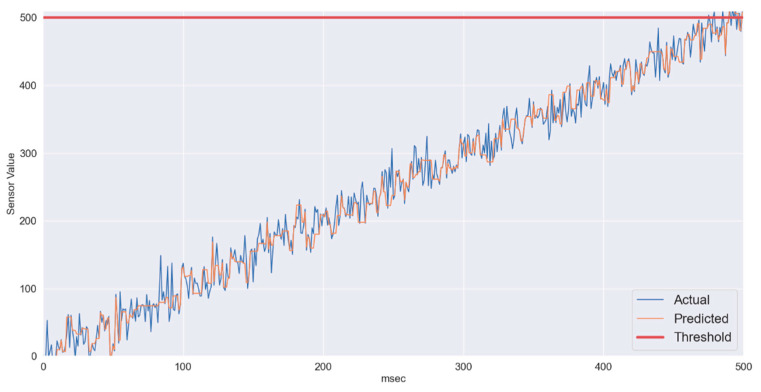
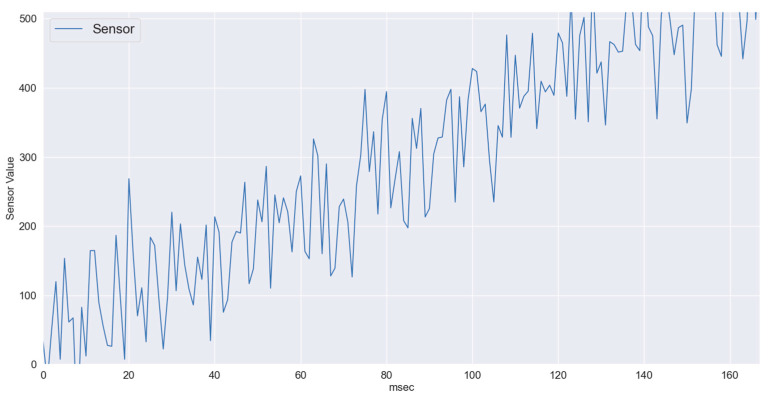
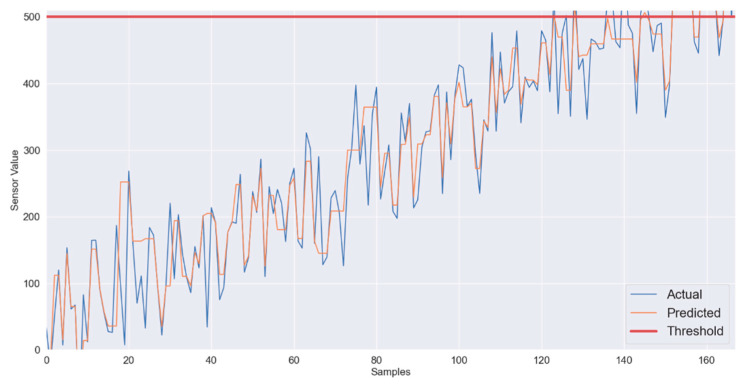
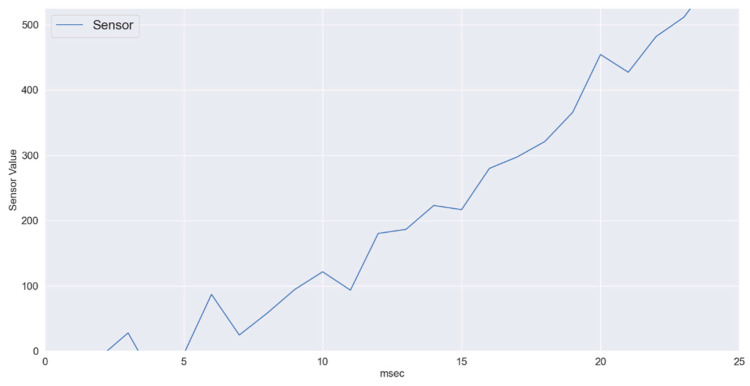
Artificial Intelligence (AI) and Internet of Things (IoT) offer immense potential to transform conventional healthcare systems. The IoT and AI enabled smart systems can play a key role in driving the future of smart healthcare. Remote monitoring of critical and non-critical patients is one such field which can leverage the benefits of IoT and machine learning techniques. While some work has been done in developing paradigms to establish effective and reliable communications, there is still great potential to utilize optimized IoT network and machine learning technique to improve the overall performance of the communication systems, thus enabling fool-proof systems. This study develops a novel IoT framework to offer ultra-reliable low latency communications to monitor post-surgery patients. The work considers both critical and non-critical patients and is balanced between these to offer optimal performance for the desired outcomes. In addition, machine learning based regression analysis of patients' sensory data is performed to obtain highly accurate predictions of the patients' sensory data (patients' vitals), which enables highly accurate virtual observers to predict the data in case of communication failures. The performance analysis of the proposed IoT based vital signs monitoring system for the post-surgery patients offers reduced delay and packet loss in comparison to IEEE low latency deterministic networks. The gradient boosting regression analysis also gives a highly accurate prediction for slow as well as rapidly varying sensors for vital sign monitoring.
人工智能 (AI) 和物联网 (IoT) 为改变传统医疗系统提供了巨大的潜力。物联网和人工智能支持的智能系统可以在推动智能医疗的未来方面发挥关键作用。对重症和非重症患者进行远程监测就是这样一个可以利用物联网和机器学习技术优势的领域。虽然已经在开发建立有效和可靠通信的范例方面做了一些工作,但仍有很大的潜力可以利用优化的物联网网络和机器学习技术来提高通信系统的整体性能,从而实现万无一失的系统。本研究开发了一种新的物联网框架,为术后患者提供超可靠的低延迟通信。这项工作同时考虑了重症和非重症患者,并在两者之间取得平衡,以获得所需结果的最佳性能。此外,还对患者的感官数据进行基于机器学习的回归分析,以获得患者感官数据(患者生命体征)的高度准确预测,这使得高度准确的虚拟观测器能够在通信故障时预测数据。与 IEEE 低延迟确定性网络相比,所提出的基于物联网的术后患者生命体征监测系统的性能分析提供了更低的延迟和数据包丢失。梯度提升回归分析还为生命体征监测的慢速和快速变化传感器提供了高度准确的预测。