Mohammed Soniya, Dinesan M, Ajayakumar T
Department of Radiation Oncology, Government Medical College Kozhikode Kerala, India.
Rep Pract Oncol Radiother. 2022 Dec 29;27(6):1026-1036. doi: 10.5603/RPOR.a2022.0113. eCollection 2022.
Glioblastoma multiforme (GBM) is the most common and aggressive primary intracranial tumor. Despite modern therapies, it is still fatal with tremendously poor prognosis with a median survival of 14 months. Even though mean survival and progression-free survival (PFS) are considered as primary response measure, it is important to assess the effects of therapies on disease burden and health-related quality of life (HRQoL). Changes in quality of life (QoL) indicates the impact of cytotoxic therapy and may aid in defining response in the absence of quantifiable endpoints like tumor regression. The objective was to assess 2-year survival and quality of life in GBM patients who underwent primary surgery followed by chemo-radiotherapy and 6-month adjuvant chemotherapy with temozolomide.
Single-institution retrospective study of 60 patients of GBM from 2015 to 2017. Data regarding patient factors, disease factors, and treatment factors were collected and survival was calculated.
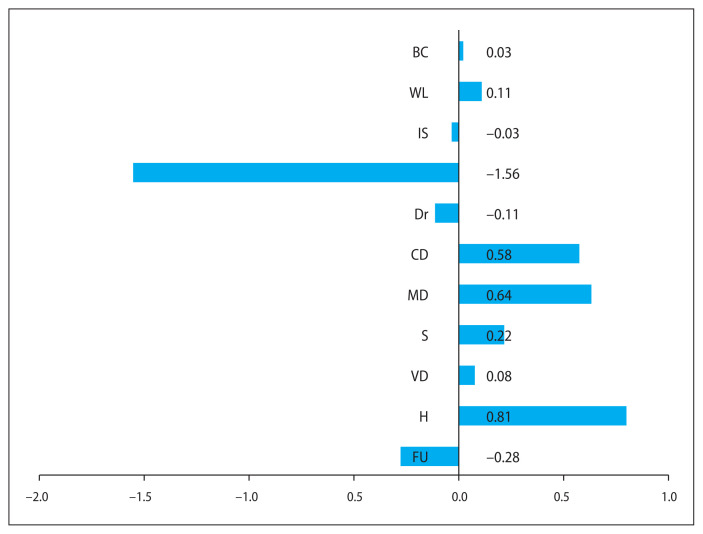
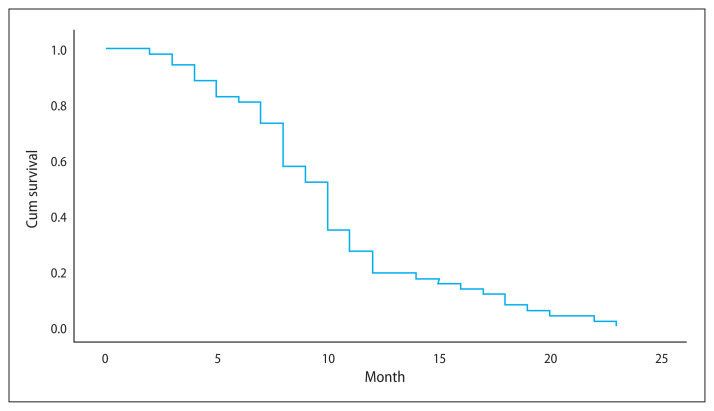
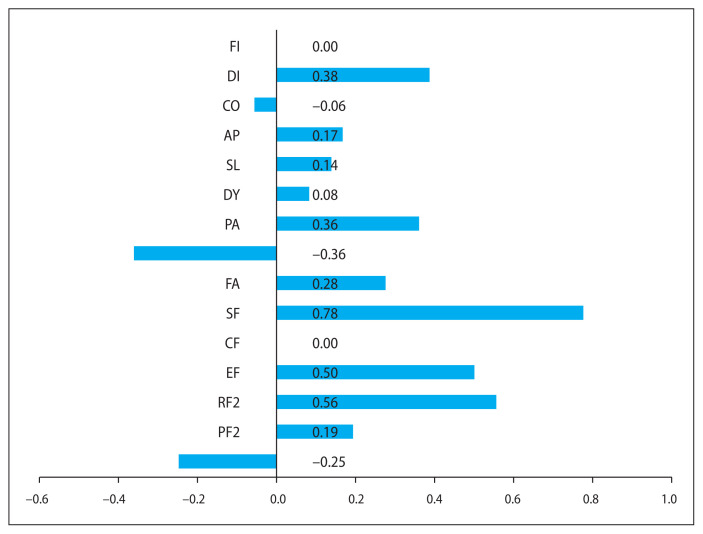
60 patients with GBM were analyzed, male to female ratio was 1.6:1. Patients most commonly presented with headache. Most common tumour site is the frontal lobe. The median overall survival (OS) was 10 months. The 1-year and 2-year survival rates were 30% and 6.7%, respectively. Compared to before surgery patients have showed improved emotional, social and role functioning in Post radiotherapy period. There was a decrease in symptoms like pain, headache and seizures.
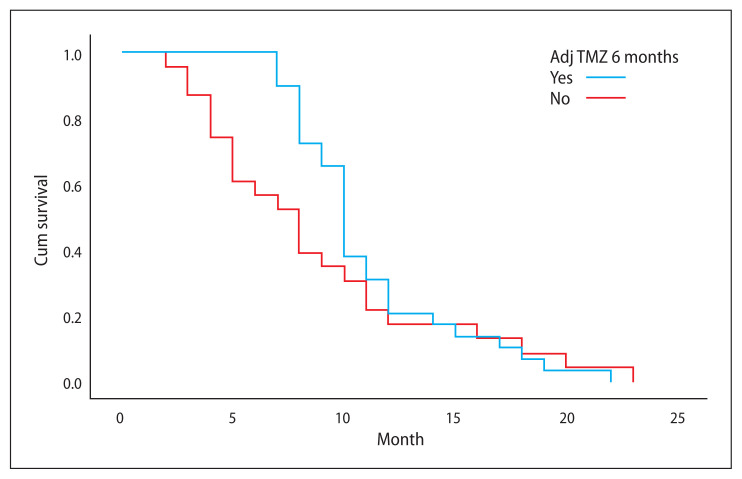
OS and QoL in GBM patients remains poor despite constant research and studies. Maximum safe resection followed by adjuvant temozolomide has shown improvement in OS. Post-surgery and adjuvant radiotherapy patients have shown a decrease in symptoms and better QoL.
多形性胶质母细胞瘤(GBM)是最常见且侵袭性最强的原发性颅内肿瘤。尽管有现代治疗方法,但它仍然是致命的,预后极差,中位生存期为14个月。即使平均生存期和无进展生存期(PFS)被视为主要反应指标,但评估治疗对疾病负担和健康相关生活质量(HRQoL)的影响也很重要。生活质量(QoL)的变化表明了细胞毒性治疗的影响,并且在缺乏肿瘤消退等可量化终点的情况下可能有助于确定反应。目的是评估接受了初次手术,随后进行放化疗以及6个月替莫唑胺辅助化疗的GBM患者的2年生存率和生活质量。
对2015年至2017年的60例GBM患者进行单机构回顾性研究。收集有关患者因素、疾病因素和治疗因素的数据并计算生存率。
分析了60例GBM患者,男女比例为1.6:1。患者最常见的症状是头痛。最常见的肿瘤部位是额叶。中位总生存期(OS)为10个月。1年和2年生存率分别为30%和6.7%。与手术前相比,患者在放疗后情绪、社交和角色功能有所改善。疼痛、头痛和癫痫等症状有所减轻。
尽管不断进行研究,但GBM患者的总生存期和生活质量仍然较差。最大安全切除后进行替莫唑胺辅助治疗已显示总生存期有所改善。手术后和辅助放疗的患者症状减轻,生活质量更好。