Department of Infectious Diseases and Immunology, College of Veterinary Medicine, University of Florida, Gainesville, Florida, United States of America.
Genes and Human Disease Research Program, Oklahoma Medical Research Foundation, Oklahoma City, Oklahoma, United States of America.
PLoS One. 2023 Jan 17;18(1):e0276700. doi: 10.1371/journal.pone.0276700. eCollection 2023.
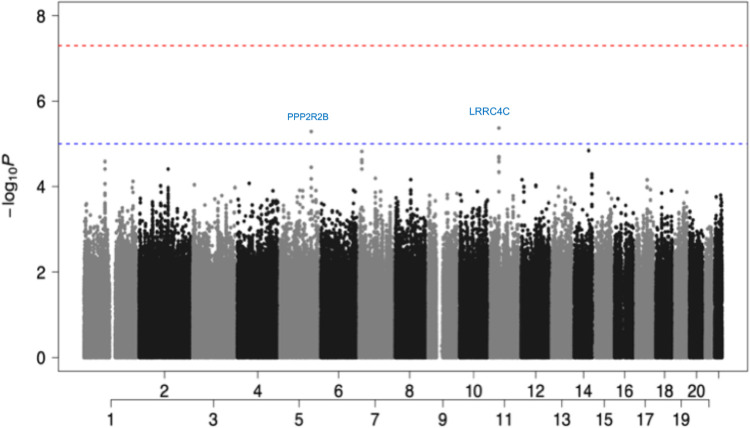
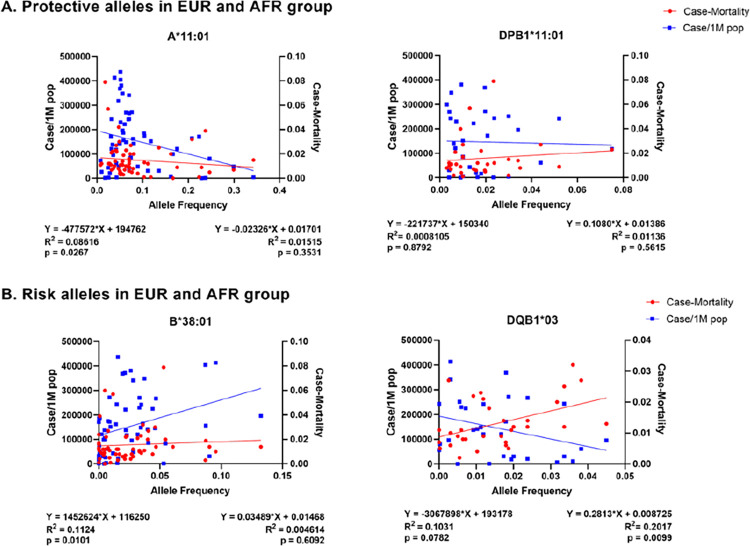
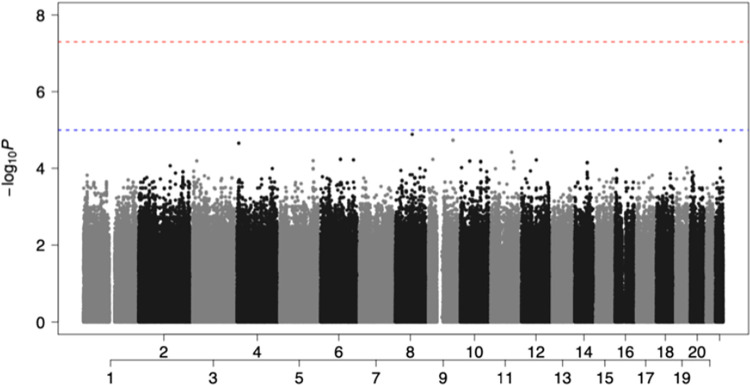
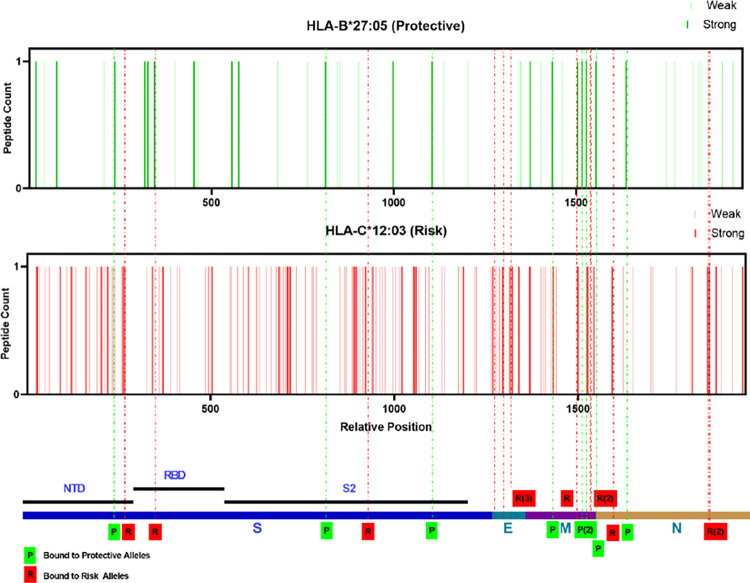
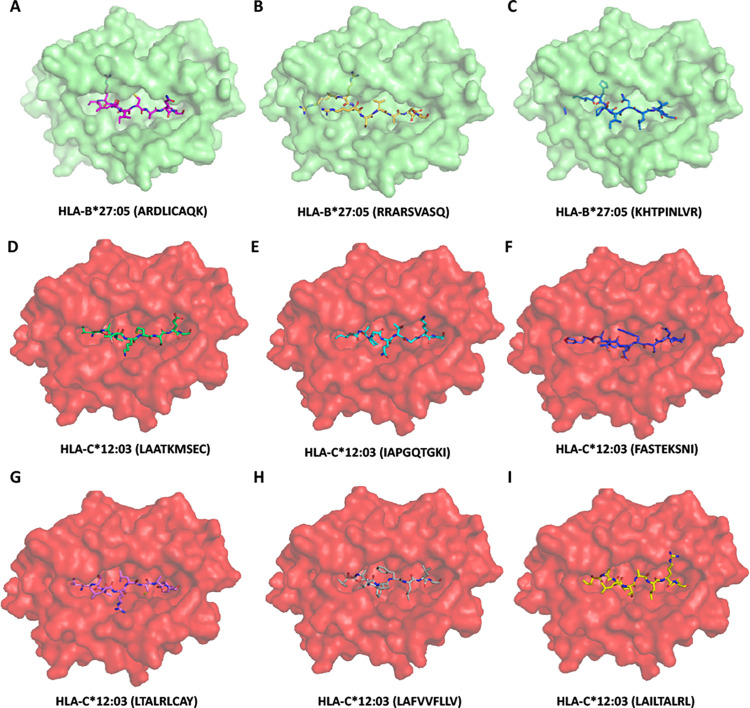
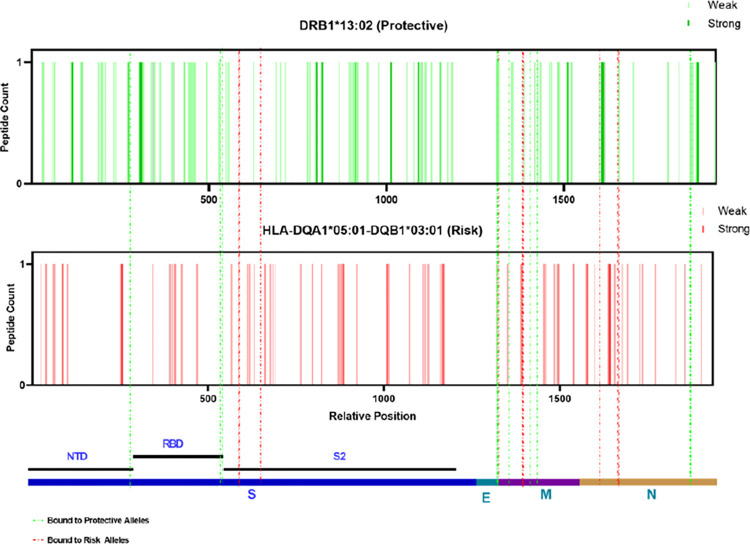
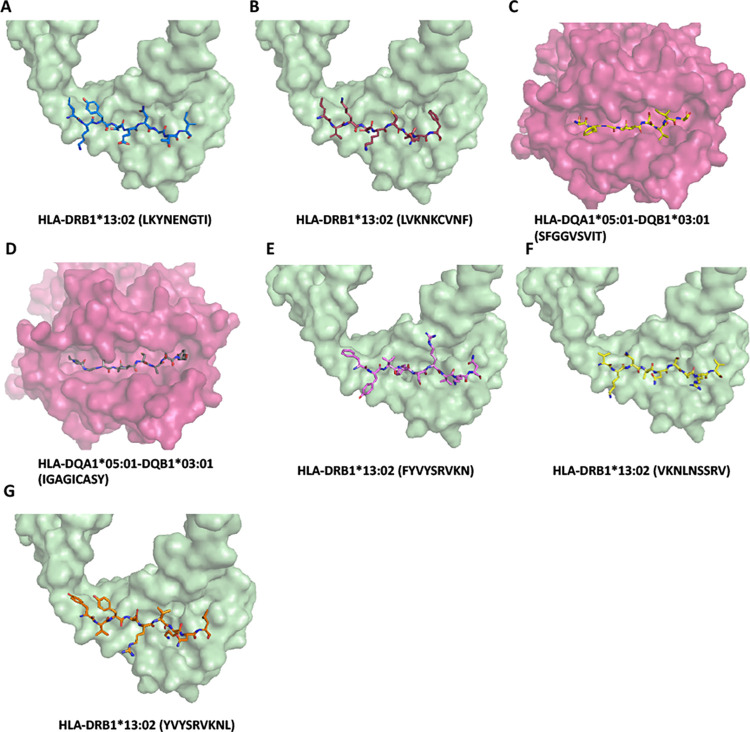
COVID-19 is caused by severe acute respiratory syndrome-coronavirus-2 (SARS-CoV-2). The severity of COVID-19 is highly variable and related to known (e.g., age, obesity, immune deficiency) and unknown risk factors. The widespread clinical symptoms encompass a large group of asymptomatic COVID-19 patients, raising a crucial question regarding genetic susceptibility, e.g., whether individual differences in immunity play a role in patient symptomatology and how much human leukocyte antigen (HLA) contributes to this. To reveal genetic determinants of susceptibility to COVID-19 severity in the population and further explore potential immune-related factors, we performed a genome-wide association study on 284 confirmed COVID-19 patients (cases) and 95 healthy individuals (controls). We compared cases and controls of European (EUR) ancestry and African American (AFR) ancestry separately. We identified two loci on chromosomes 5q32 and 11p12, which reach the significance threshold of suggestive association (p<1x10⁻⁵ threshold adjusted for multiple trait testing) and are associated with the COVID-19 susceptibility in the European ancestry (index rs17448496: odds ratio[OR] = 0.173; 95% confidence interval[CI], 0.08-0.36 for G allele; p = 5.15× 10⁻⁵ and index rs768632395: OR = 0.166; 95% CI, 0.07-0.35 for A allele; p = 4.25×10⁻⁶, respectively), which were associated with two genes, PPP2R2B at 5q32, and LRRC4C at 11p12, respectively. To explore the linkage between HLA and COVID-19 severity, we applied fine-mapping analysis to dissect the HLA association with mild and severe cases. Using In-silico binding predictions to map the binding of risk/protective HLA to the viral structural proteins, we found the differential presentation of viral peptides in both ancestries. Lastly, extrapolation of the identified HLA from the cohort to the worldwide population revealed notable correlations. The study uncovers possible differences in susceptibility to COVID-19 in different ancestral origins in the genetic background, which may provide new insights into the pathogenesis and clinical treatment of the disease.
新型冠状病毒病(COVID-19)由严重急性呼吸系统综合征冠状病毒 2 型(SARS-CoV-2)引起。COVID-19 的严重程度差异很大,与已知(如年龄、肥胖、免疫缺陷)和未知的风险因素有关。广泛的临床症状包括一大组无症状 COVID-19 患者,这就提出了一个关键问题,即遗传易感性,例如个体免疫差异是否在患者症状学中起作用,以及人类白细胞抗原(HLA)的贡献有多大。为了揭示人群中 COVID-19 严重程度的易感性遗传决定因素,并进一步探讨潜在的免疫相关因素,我们对 284 名确诊 COVID-19 患者(病例)和 95 名健康个体(对照)进行了全基因组关联研究。我们分别比较了欧洲血统(EUR)和非裔美国人(AFR)血统的病例和对照。我们在染色体 5q32 和 11p12 上发现了两个位点,这些位点达到了提示关联的显著性阈值(经多性状测试调整后的<1x10⁻⁵ 阈值),与欧洲血统的 COVID-19 易感性相关(索引 rs17448496:优势比[OR] = 0.173;G 等位基因的 95%置信区间[CI]为 0.08-0.36;p = 5.15×10⁻⁵ 和索引 rs768632395:OR = 0.166;95%CI,A 等位基因的 0.07-0.35;p = 4.25×10⁻⁶),分别与 5q32 上的 PPP2R2B 和 11p12 上的 LRRC4C 两个基因相关。为了探讨 HLA 与 COVID-19 严重程度的关联,我们应用精细映射分析来剖析与轻症和重症病例相关的 HLA 关联。通过体内结合预测来映射风险/保护性 HLA 与病毒结构蛋白的结合,我们发现了两种血统中病毒肽的差异呈现。最后,将从队列中鉴定的 HLA 外推到全球人群中,发现了显著的相关性。该研究揭示了不同祖先遗传背景下 COVID-19 易感性的可能差异,这可能为该疾病的发病机制和临床治疗提供新的见解。