Department of Cellular and Molecular Medicine, UC San Diego, La Jolla, CA, 92093, USA.
Department of Bioengineering, UC San Diego, La Jolla, CA, 92093, USA.
Nat Commun. 2023 Jan 17;14(1):276. doi: 10.1038/s41467-023-35876-8.
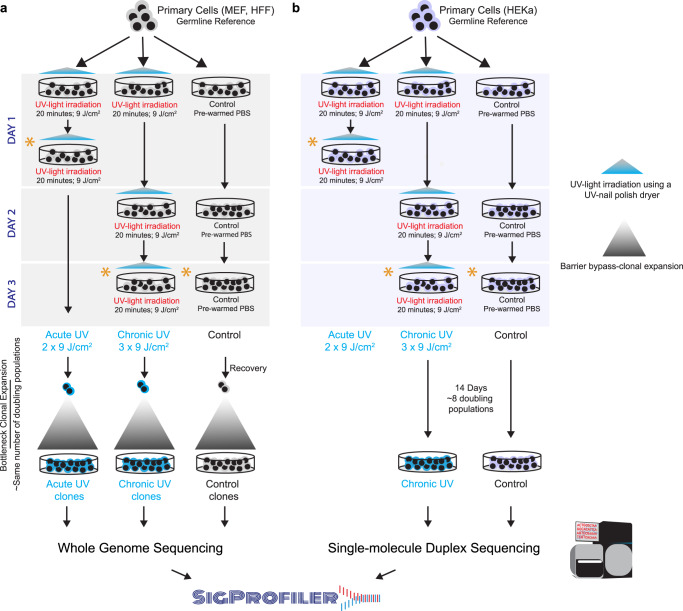
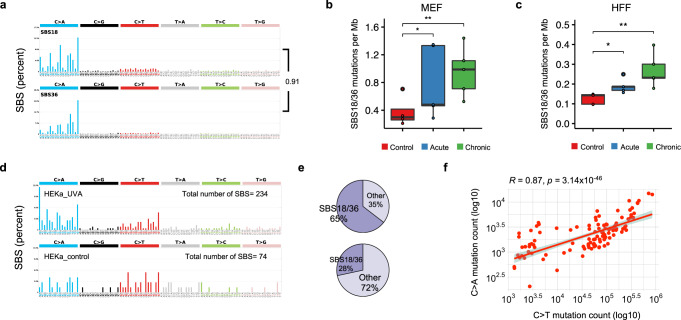
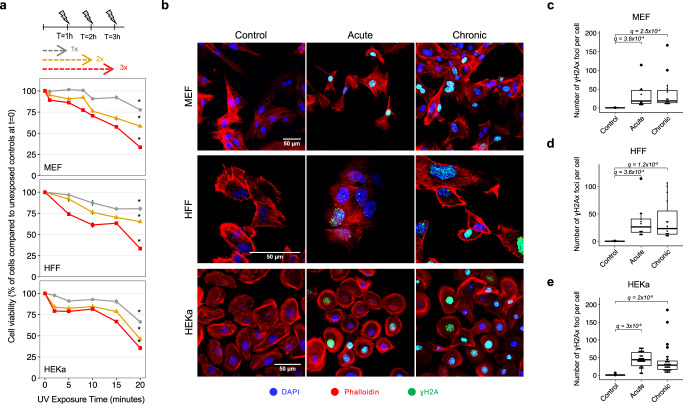
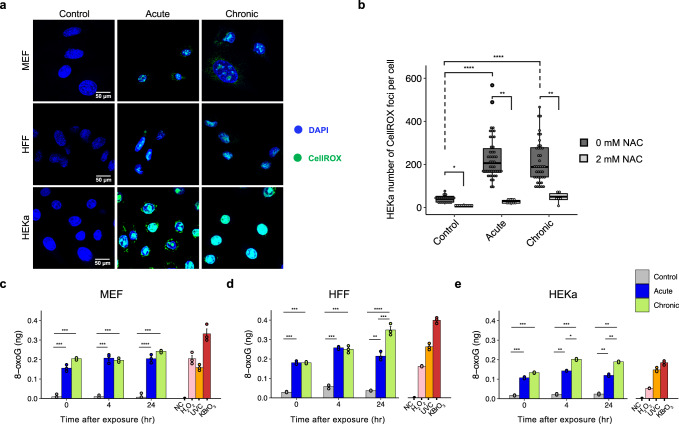
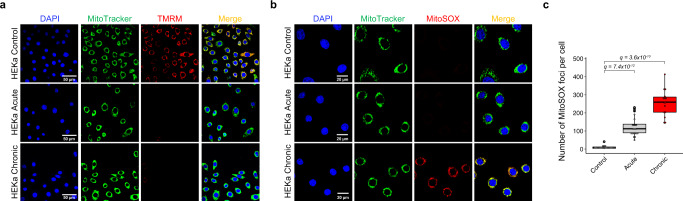
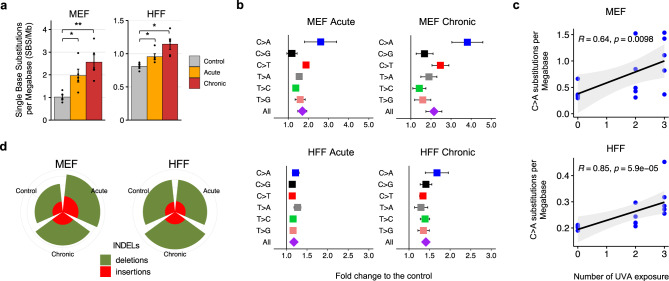
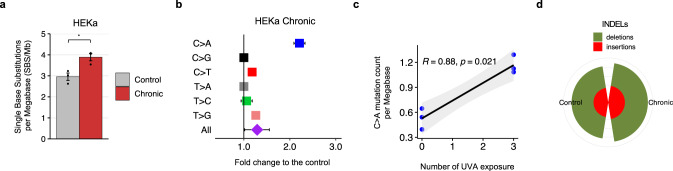
Ultraviolet A light is commonly emitted by UV-nail polish dryers with recent reports suggesting that long-term use may increase the risk for developing skin cancer. However, no experimental evaluation has been conducted to reveal the effect of radiation emitted by UV-nail polish dryers on mammalian cells. Here, we show that irradiation by a UV-nail polish dryer causes high levels of reactive oxygen species, consistent with 8-oxo-7,8-dihydroguanine damage and mitochondrial dysfunction. Analysis of somatic mutations reveals a dose-dependent increase of C:G>A:T substitutions in irradiated samples with mutagenic patterns similar to mutational signatures previously attributed to reactive oxygen species. In summary, this study demonstrates that radiation emitted by UV-nail polish dryers can both damage DNA and permanently engrave mutations on the genomes of primary mouse embryonic fibroblasts, human foreskin fibroblasts, and human epidermal keratinocytes.
紫外线 A 光通常由 UV 指甲油烘干机发出,最近有报道称,长期使用可能会增加患皮肤癌的风险。然而,目前还没有进行实验评估来揭示 UV 指甲油烘干机发出的辐射对哺乳动物细胞的影响。在这里,我们表明,UV 指甲油烘干机的照射会导致高水平的活性氧,与 8-氧代-7,8-二氢鸟嘌呤损伤和线粒体功能障碍一致。体细胞突变分析显示,照射样品中 C:G>A:T 取代的剂量依赖性增加,其突变模式与先前归因于活性氧的突变特征相似。总之,这项研究表明,UV 指甲油烘干机发出的辐射既能破坏 DNA,又能在原代小鼠胚胎成纤维细胞、人包皮成纤维细胞和人表皮角质形成细胞的基因组上永久刻上突变。