Department of Surgery, Caritas Clinic St. Josef, Landshuter Str. 65, 93053, Regensburg, Germany.
University of Regensburg, Regensburg, Germany.
Int J Colorectal Dis. 2023 Jan 18;38(1):16. doi: 10.1007/s00384-022-04293-6.
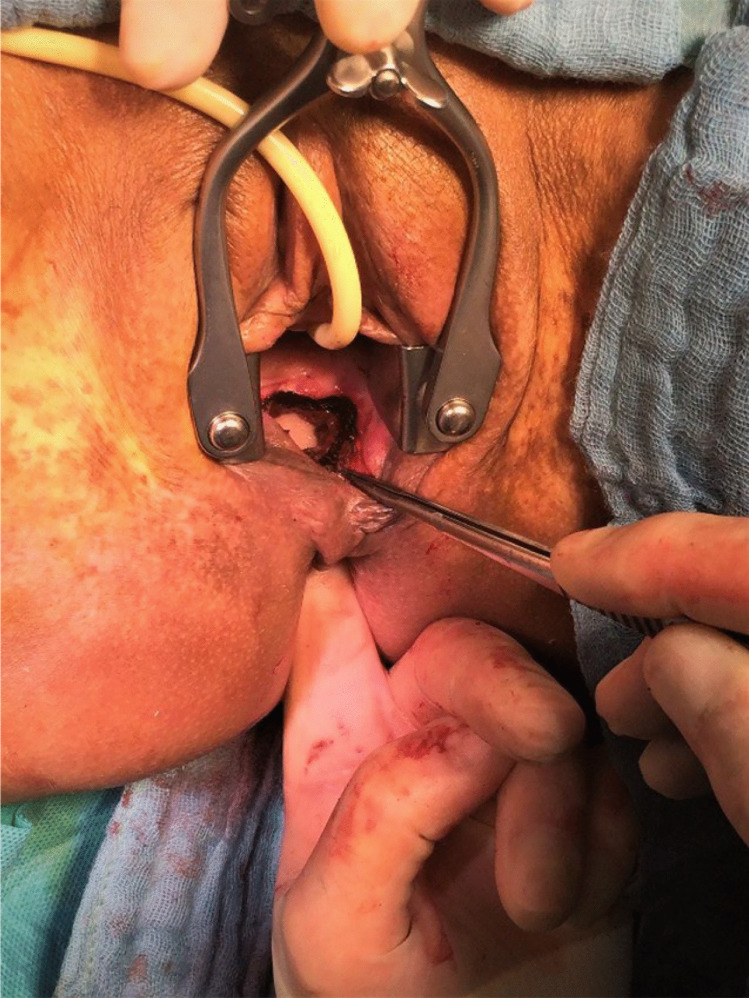
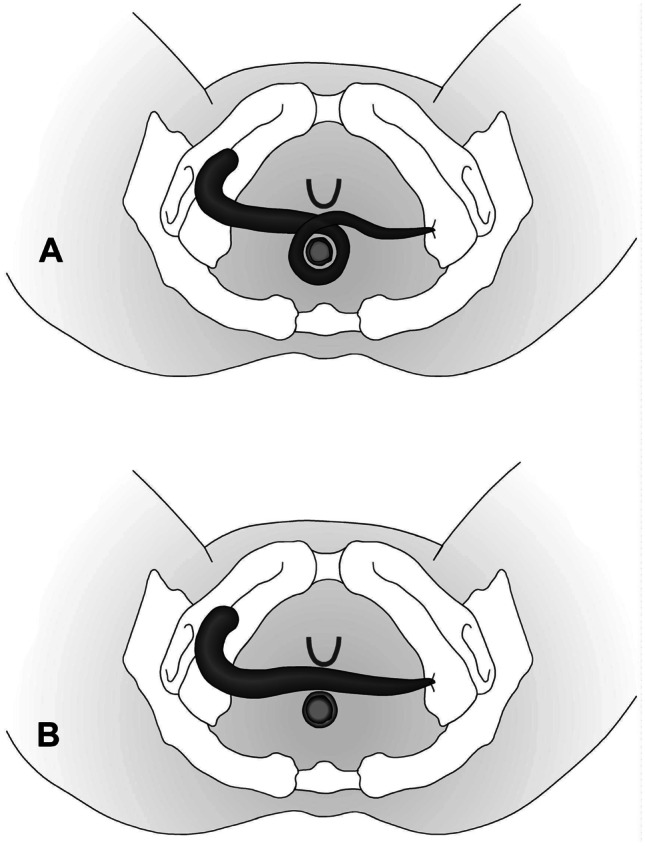
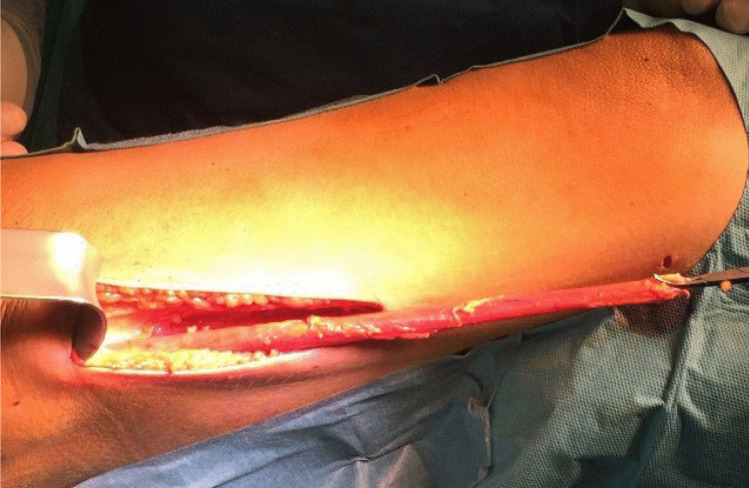
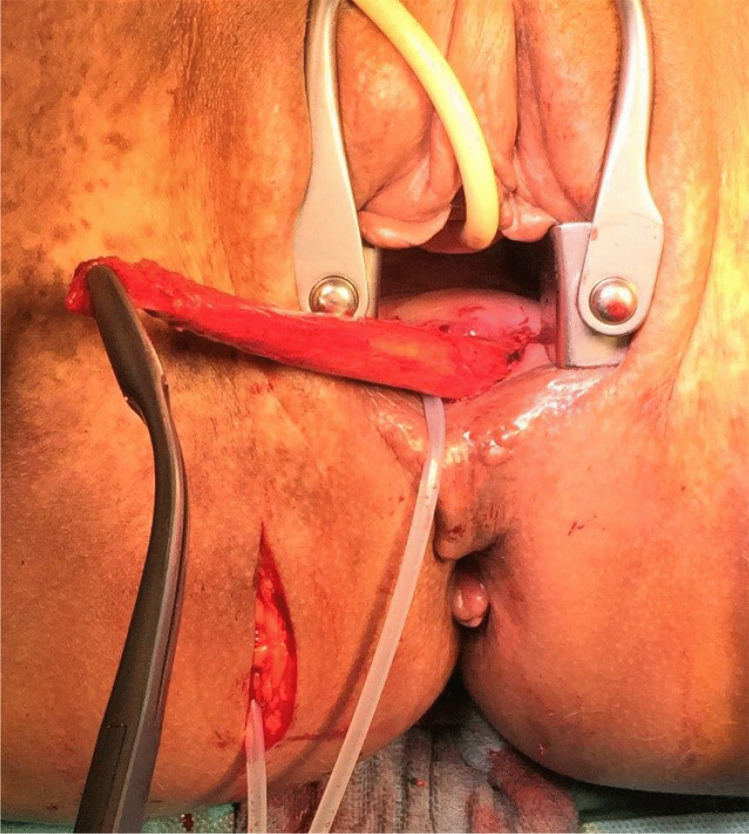
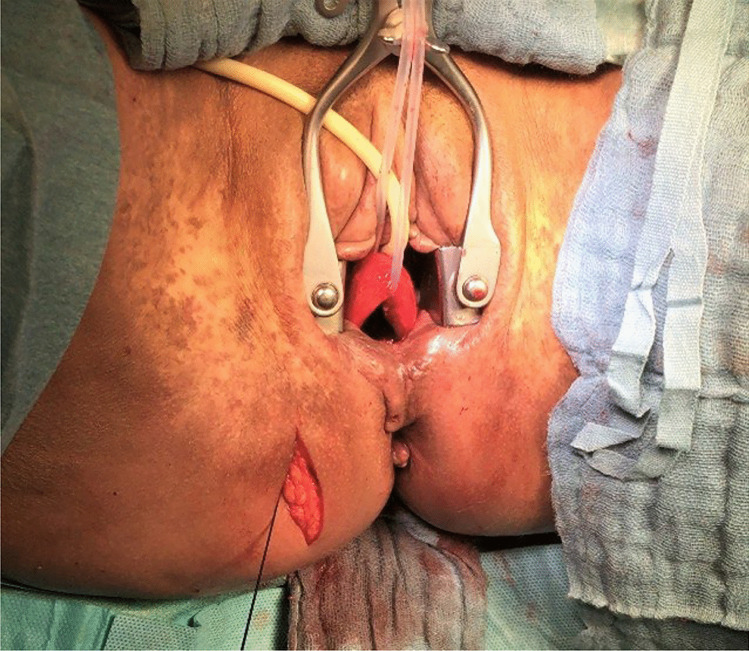
Complex fistulas often require several attempts at repair and continue to be a challenging task for the surgeon, but above all, a major burden for the affected patient. This study is aimed at evaluating the potential of gracilis muscle transposition (GMT) as a therapeutic option for complex fistulas of diverse etiologies.
A retrospective study was conducted over a period of 16 years with a total of 60 patients (mean age 50 years). All were treated for complex fistula with GMT at St. Josef's Hospital in Regensburg, Germany. Follow-up data were collected and analyzed using a prospective database and telephone interview. Success was defined as the absence of fistula.
A total of 60 patients (44 women, 16 men; mean age 50 years, range 24-82 years) were reviewed from January 2005 to June 2021. Primary fistula closure after GMT was achieved in 20 patients (33%) and 19 required further interventions for final healing. Overall healing rate was 65%. Fistula type was heterogeneous, with a dominant subgroup of 35 rectovaginal fistulas. Etiologies of the fistulas were irradiation, abscesses, obstetric injury, and iatrogenic/unknown, and 98% of patients had had previous unsuccessful repair attempts (mean 3.6, range 1-15). In 60% of patients with a stoma (all patients had a stoma, 60/60), stoma closure could be performed after successful fistula closure. Mean follow-up after surgery was 35.9 months (range 1-187 months). No severe intraoperative complications occurred. Postoperative complications were observed in 25%: wound healing disorders (n = 6), gracilis necroses (n = 3), incisional hernia (n = 2), scar tissue pain (n = 2), suture granuloma (n = 1), and osteomyelitis (n = 1). In 3 patients, a second gracilis transposition was performed due to fistula recurrence (n = 2) or fecal incontinence (n = 1).
Based on the authors' experience, GMT is an effective therapeutic option for the treatment of complex fistulas when other therapeutic attempts have failed and should therefore be considered earlier in the treatment process. It should be seen as the main but not the only step, as additional procedures may be required for complete closure in some cases.
复杂瘘管常需要多次修复,这对外科医生来说仍然是一项具有挑战性的任务,但最重要的是,对受影响的患者来说是一个重大负担。本研究旨在评估腹直肌移位术(GMT)作为治疗多种病因复杂瘘管的一种治疗选择的潜力。
对德国雷根斯堡圣约瑟夫医院在 16 年内进行的 60 例患者(平均年龄 50 岁)的回顾性研究。所有患者均接受 GMT 治疗复杂瘘管。通过前瞻性数据库和电话访谈收集并分析随访数据。以无瘘管为成功标准。
2005 年 1 月至 2021 年 6 月共回顾 60 例患者(44 名女性,16 名男性;平均年龄 50 岁,范围 24-82 岁)。20 例患者(33%)在 GMT 后实现了原发性瘘管闭合,19 例需要进一步干预以最终愈合。总体愈合率为 65%。瘘管类型具有异质性,以 35 例直肠阴道瘘为主导亚组。瘘管的病因包括放疗、脓肿、产科损伤和医源性/未知,98%的患者有过不成功的修复尝试(平均 3.6 次,范围 1-15 次)。在 60%有造口的患者中(所有患者均有造口,60/60),成功闭合瘘管后可以进行造口关闭。手术后的平均随访时间为 35.9 个月(范围 1-187 个月)。术中无严重并发症发生。25%的患者出现术后并发症:伤口愈合障碍(n=6)、腹直肌坏死(n=3)、切口疝(n=2)、瘢痕组织疼痛(n=2)、缝线肉芽肿(n=1)和骨髓炎(n=1)。3 例患者因瘘管复发(n=2)或粪便失禁(n=1)行第二次腹直肌移位术。
根据作者的经验,GMT 是治疗其他治疗尝试失败后的复杂瘘管的有效治疗选择,因此应在治疗过程中更早考虑。它应被视为主要但不是唯一的步骤,因为在某些情况下,可能需要其他程序才能完全闭合。