Soleimani Mohammad, Cheraqpour Kasra, Koganti Raghuram, Baharnoori Seyed Mahbod, Djalilian Ali R
Eye Research Center, Farabi Eye Hospital, Tehran University of Medical Sciences, Tehran 1336616351, Iran.
Department of Ophthalmology and Visual Sciences, University of Illinois at Chicago, Chicago, IL 60612, USA.
Bioengineering (Basel). 2023 Jan 12;10(1):111. doi: 10.3390/bioengineering10010111.
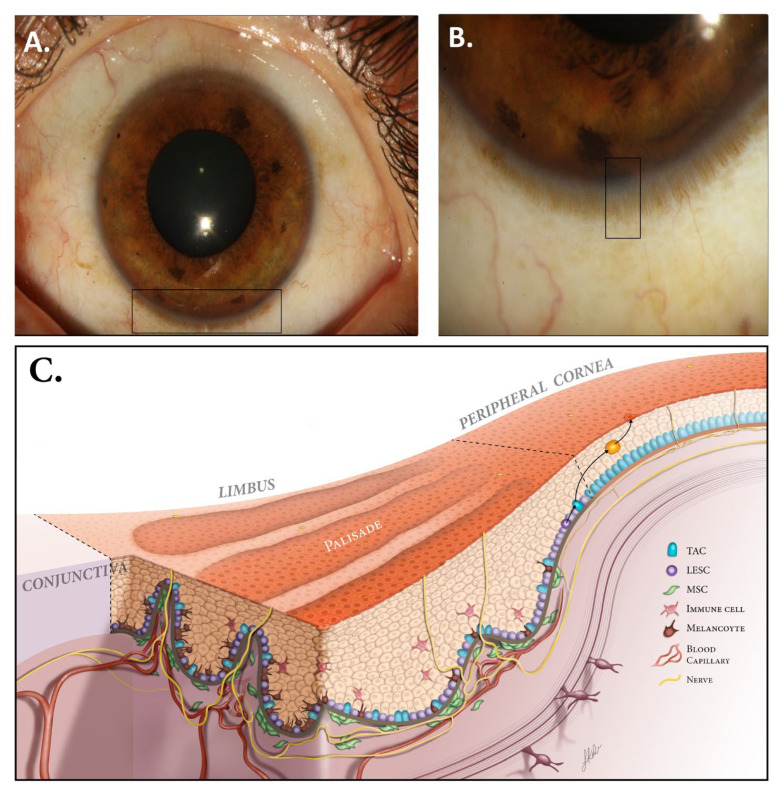
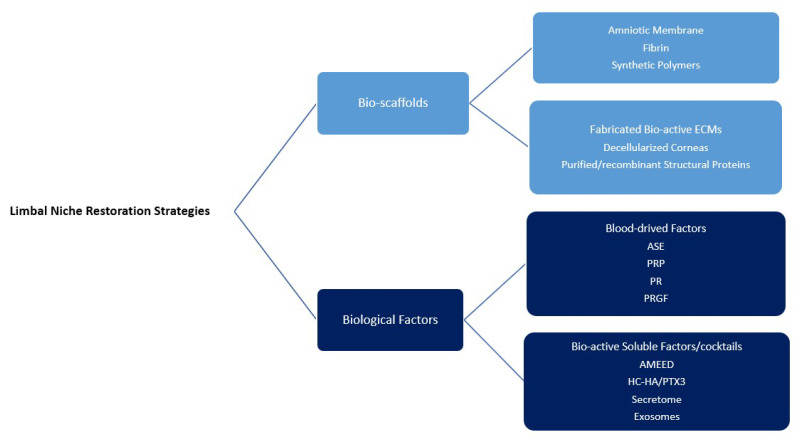
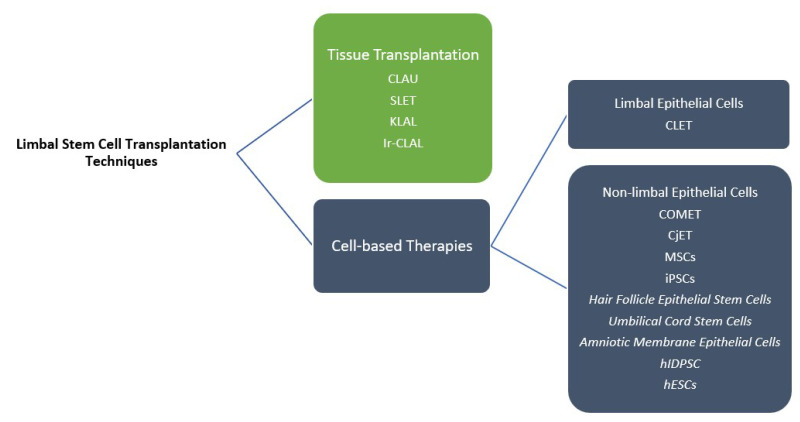
The corneal epithelium is composed of nonkeratinized stratified squamous cells and has a significant turnover rate. Limbal integrity is vital to maintain the clarity and avascularity of the cornea as well as regeneration of the corneal epithelium. Limbal epithelial stem cells (LESCs) are located in the basal epithelial layer of the limbus and preserve this homeostasis. Proper functioning of LESCs is dependent on a specific microenvironment, known as the limbal stem cell niche (LSCN). This structure is made up of various cells, an extracellular matrix (ECM), and signaling molecules. Different etiologies may damage the LSCN, leading to limbal stem cell deficiency (LSCD), which is characterized by conjunctivalization of the cornea. In this review, we first summarize the basics of the LSCN and then focus on current and emerging bioengineering strategies for LSCN restoration to combat LSCD.
角膜上皮由非角化复层鳞状细胞组成,且具有显著的更新率。角膜缘的完整性对于维持角膜的透明度、无血管状态以及角膜上皮的再生至关重要。角膜缘上皮干细胞(LESCs)位于角膜缘的基底上皮层,维持着这种内环境稳定。LESCs的正常功能依赖于一个特定的微环境,即角膜缘干细胞龛(LSCN)。这个结构由各种细胞、细胞外基质(ECM)和信号分子组成。不同的病因可能会损害LSCN,导致角膜缘干细胞缺乏(LSCD),其特征是角膜结膜化。在这篇综述中,我们首先总结LSCN的基础知识,然后重点关注当前以及新兴的用于恢复LSCN以对抗LSCD的生物工程策略。