Ph.D. Program for Cancer Molecular Biology and Drug Discovery, College of Medical Science and Technology, Taipei Medical University and Academia Sinica, Taipei 11031, Taiwan.
Graduate Institute for Cancer Biology & Drug Discovery, College of Medical Science and Technology, Taipei Medical University, Taipei 11031, Taiwan.
Cells. 2023 Jan 16;12(2):340. doi: 10.3390/cells12020340.
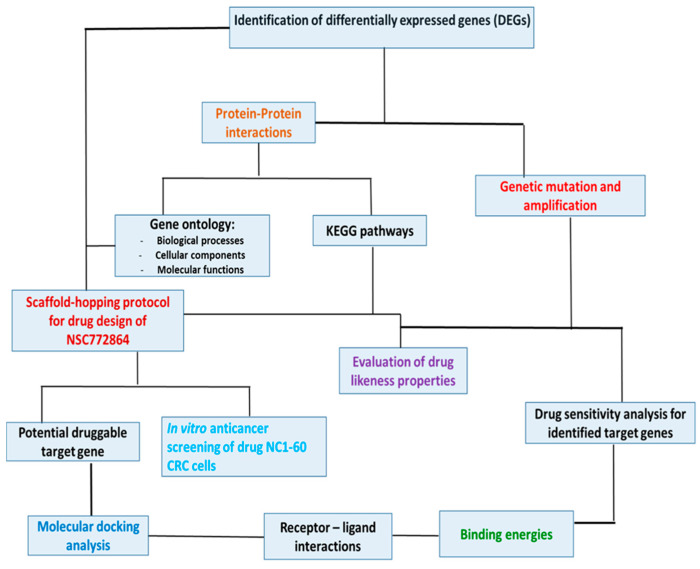
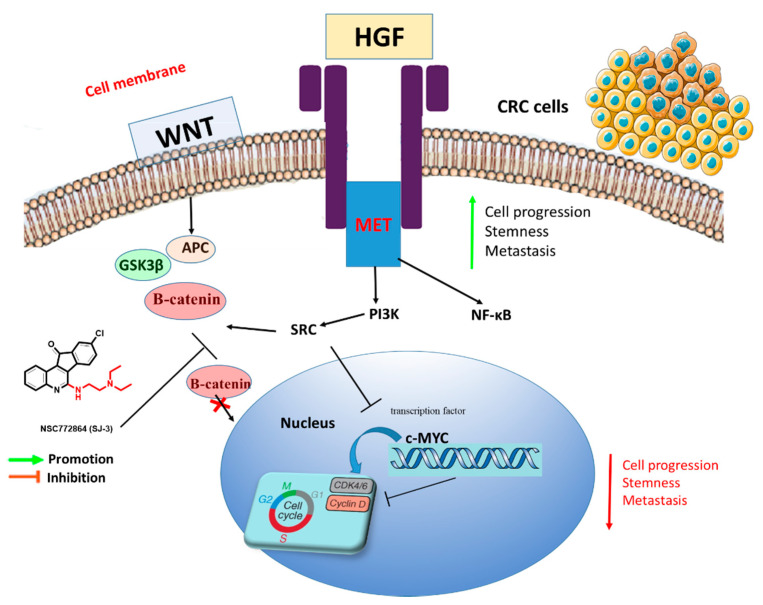
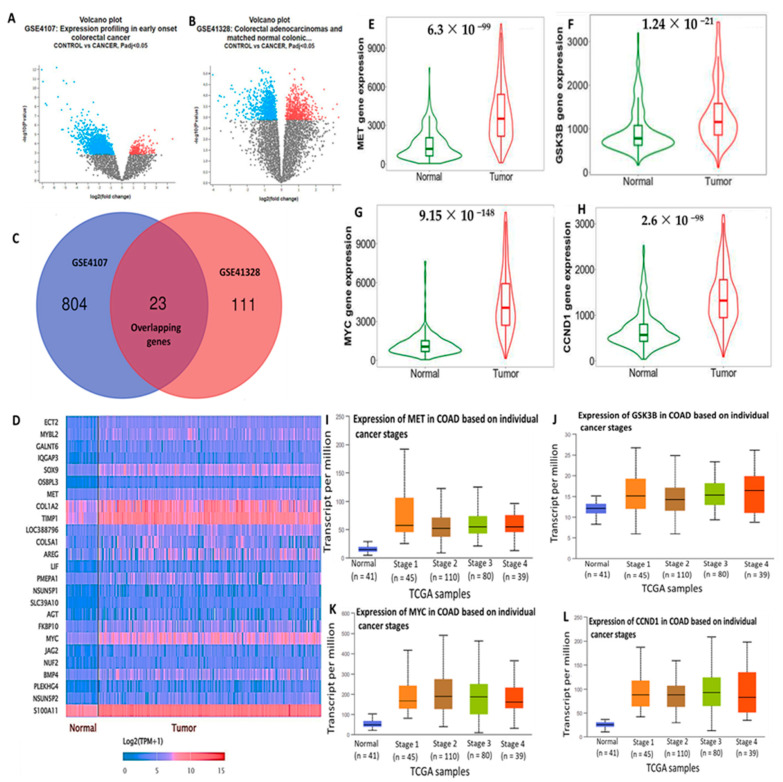
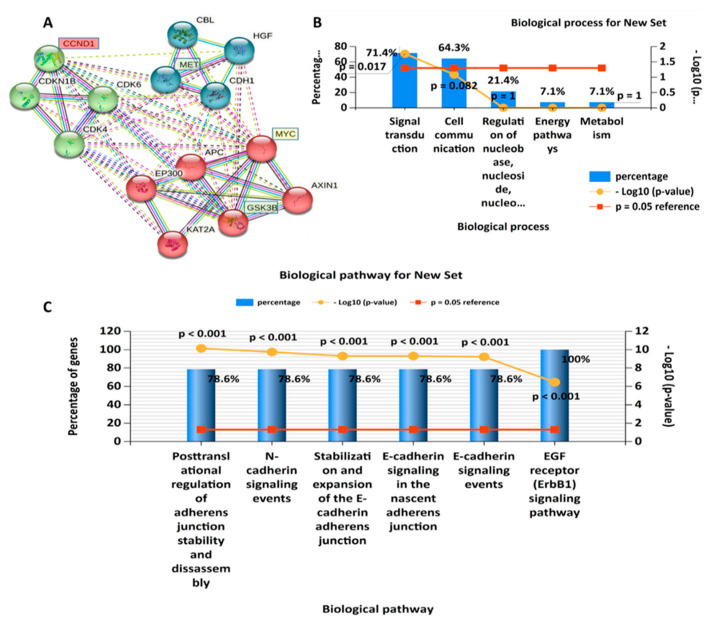
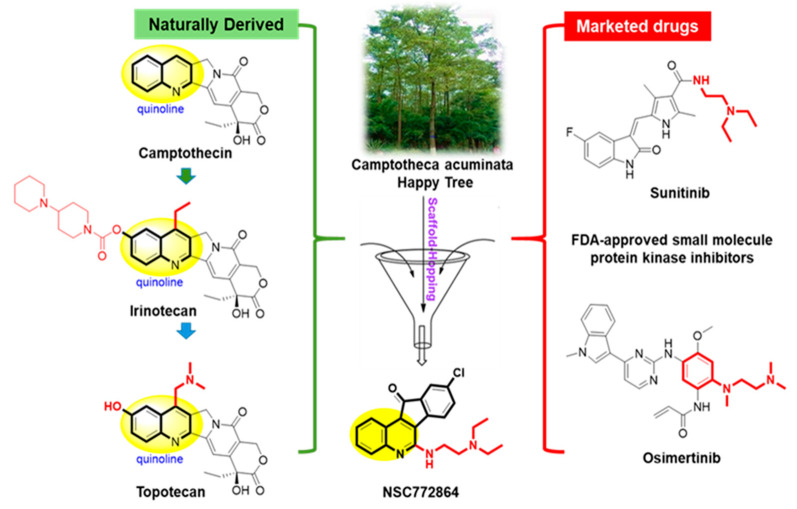
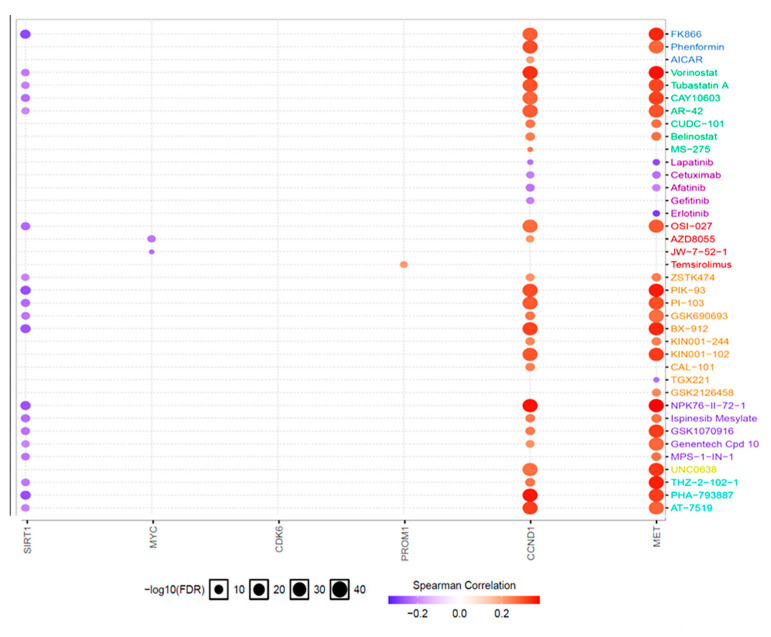
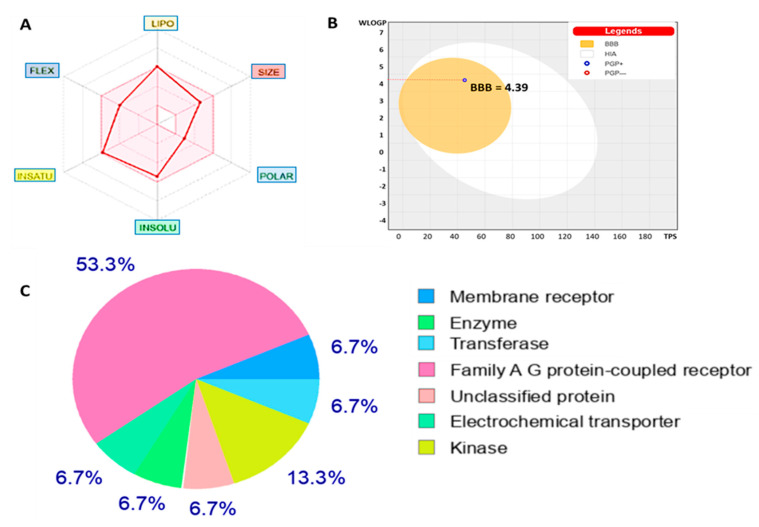
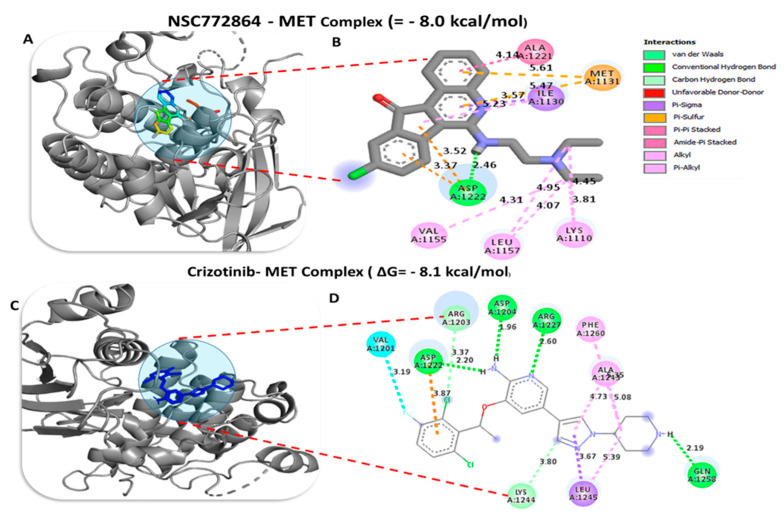
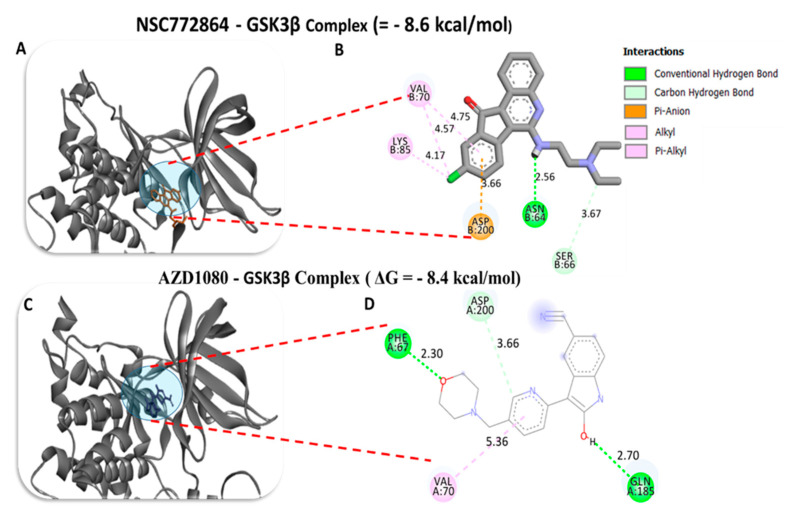
Colorectal cancer (CRC) is one of the most prevalent malignant tumors, and it contributes to high numbers of deaths globally. Although advances in understanding CRC molecular mechanisms have shed significant light on its pathogenicity, current treatment options, including combined chemotherapy and molecular-targeted agents, are still limited due to resistance, with almost 25% of patients developing distant metastasis. Therefore, identifying novel biomarkers for early diagnosis is crucial, as they will also influence strategies for new targeted therapies. The proto-oncogene, , a tyrosine kinase that promotes cell proliferation, motility, and invasion; , a transcription factor associated with the modulation of the cell cycle, proliferation, apoptosis; and cyclin D1 (), an essential regulatory protein in the cell cycle, all play crucial roles in cancer progression. In the present study, we explored computational simulations through bioinformatics analysis and identified the overexpression of oncogenic signatures that were associated with cancer progression, drug resistance, metastasis, and poor clinical outcomes in CRC. We further demonstrated the anticancer activities of our newly synthesized quinoline-derived compound, NSC772864, against panels of the National Cancer Institute's human CRC cell lines. The compound exhibited cytotoxic activities against various CRC cell lines. Using target prediction tools, we found that were target genes for the NSC772864 compound. Subsequently, we performed in silico molecular docking to investigate protein-ligand interactions and discovered that NSC772864 exhibited higher binding affinities with these oncogenes compared to FDA-approved drugs. These findings strongly suggest that NSC772864 is a novel and potential antiCRC agent.
结直肠癌(CRC)是最常见的恶性肿瘤之一,也是全球导致高死亡率的主要原因之一。尽管对 CRC 分子机制的研究进展已经揭示了其发病机制的重要线索,但由于耐药性的存在,目前的治疗选择,包括联合化疗和分子靶向药物,仍然有限,几乎 25%的患者会发生远处转移。因此,寻找新的生物标志物进行早期诊断至关重要,因为这也会影响新的靶向治疗策略。原癌基因 、 ,一种促进细胞增殖、运动和侵袭的酪氨酸激酶; ,一种与细胞周期、增殖、凋亡调节相关的转录因子;以及细胞周期蛋白 D1 ( ),细胞周期中必不可少的调节蛋白,在癌症进展中都起着至关重要的作用。在本研究中,我们通过生物信息学分析进行了计算模拟,并发现了 致癌基因特征的过度表达与 CRC 中的癌症进展、耐药性、转移和不良临床结局相关。我们进一步证明了我们新合成的喹啉衍生化合物 NSC772864 对国立癌症研究所人类 CRC 细胞系的抗癌活性。该化合物对各种 CRC 细胞系表现出细胞毒性活性。使用靶标预测工具,我们发现 是 NSC772864 化合物的靶基因。随后,我们进行了计算机分子对接,以研究蛋白质-配体相互作用,并发现 NSC772864 与 FDA 批准的药物相比,对这些致癌基因具有更高的结合亲和力。这些发现强烈表明 NSC772864 是一种新型的潜在抗 CRC 药物。