Munekata Paulo E S, Pateiro Mirian, Domínguez Rubén, Nieto Gema, Kumar Manoj, Dhama Kuldeep, Lorenzo José M
Centro Tecnológico de la Carne de Galicia, Rúa Galicia n 4, Parque Tecnológico de Galicia, San Cibrao das Viñas, 32900 Ourense, Spain.
Department of Food Technology, Food Science and Nutrition, Faculty of Veterinary Sciences, Regional Campus of International Excellence "Campus Mare Nostrum", University of Murcia, 30071 Espinardo, Spain.
Foods. 2023 Jan 11;12(2):343. doi: 10.3390/foods12020343.
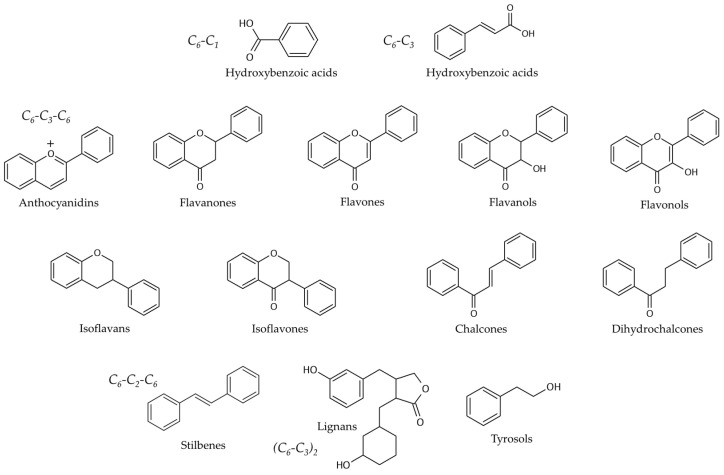
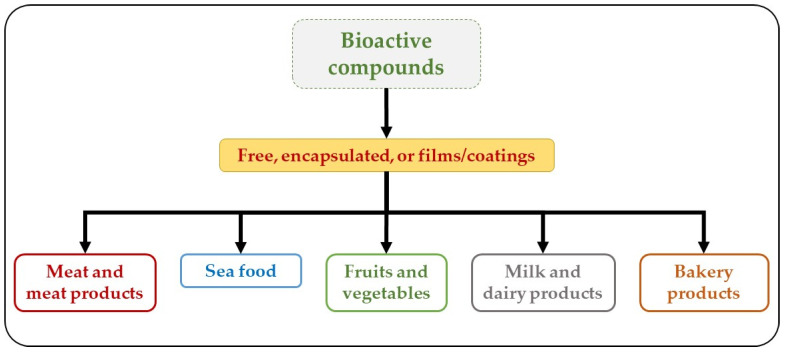
The use of additives with preservative effects is a common practice in the food industry. Although their use is regulated, natural alternatives have gained more attention among researchers and professionals in the food industry in order to supply processed foods with a clean label. Fruits are essential components in a healthy diet and have also been associated with improved health status and a lower risk of developing diseases. This review aims to provide an overview of the main bioactive compounds (polyphenols, betalain, and terpenes) naturally found in fruits, their antioxidant and antimicrobial activity in vitro, and their preservative effect in different foods. Many extracts obtained from the skin (apple, grape, jabuticaba, orange, and pomegranate, for instance), pulp (such as red pitaya), and seeds (guarana, grape, and jabuticaba) of fruits are of great value due to the presence of multiple compounds (punicalagin, catechin, gallic acid, limonene, β-pinene, or γ-terpinene, for instance). In terms of antioxidant activity, some fruits that stand out are date, jabuticaba, grape, and olive, which interact with different radicals and show different mechanisms of action in vitro. Antimicrobial activity is observed for natural extracts and essential oils (especially from citrus fruits) that limit the growth of many microorganisms (, , , and , for instance). Studies in foods have revealed that the use of extracts or essential oils as free or encapsulated forms or incorporated into films and coatings can inhibit microbial growth, slow oxidative reactions, reduce the accumulation of degradative products, and also preserve sensory attributes, especially with films and coatings. Future studies could focus on the advances of extracts and essential oils to align their use with the development of healthier foods (especially for meat products) and explore the inhibition of spoilage microorganisms in dairy products, for instance.
使用具有防腐作用的添加剂在食品工业中是一种常见做法。尽管其使用受到监管,但为了给加工食品提供清洁标签,天然替代品在食品行业的研究人员和专业人士中受到了更多关注。水果是健康饮食的重要组成部分,还与健康状况改善和疾病发生风险降低有关。本综述旨在概述水果中天然存在的主要生物活性化合物(多酚、甜菜碱和萜类化合物)、它们在体外的抗氧化和抗菌活性以及在不同食品中的防腐作用。许多从水果的果皮(例如苹果、葡萄、嘉宝果、橙子和石榴)、果肉(如红肉火龙果)和种子(瓜拉那、葡萄和嘉宝果)中提取的物质由于含有多种化合物(例如石榴皮素、儿茶素、没食子酸、柠檬烯、β-蒎烯或γ-松油烯)而具有很高价值。在抗氧化活性方面,一些突出的水果是海枣、嘉宝果、葡萄和橄榄,它们在体外与不同自由基相互作用并表现出不同的作用机制。天然提取物和精油(特别是柑橘类水果的精油)具有抗菌活性,可限制许多微生物(例如 、 、 和 )的生长。对食品的研究表明,以游离或包封形式使用提取物或精油,或将其掺入薄膜和涂层中,可以抑制微生物生长、减缓氧化反应、减少降解产物的积累,还能保持感官特性,尤其是薄膜和涂层。未来的研究可以关注提取物和精油的进展,使其使用与更健康食品(特别是肉类产品)的开发相匹配,并探索例如抑制乳制品中腐败微生物的方法。