Xue Haiyan, Han Jingjing, Ma Jun, Song Hongxin, He Baoyuan, Liu Xiaofeng, Yi Meixia, Zhang Lei
School of Food Science and Engineering, Shaanxi University of Science and Technology, Xi'an 710021, China.
College of Bioresources Chemical & Materials Engineering, Shaanxi University of Science and Technology, Xi'an 710021, China.
Foods. 2023 Jan 13;12(2):373. doi: 10.3390/foods12020373.
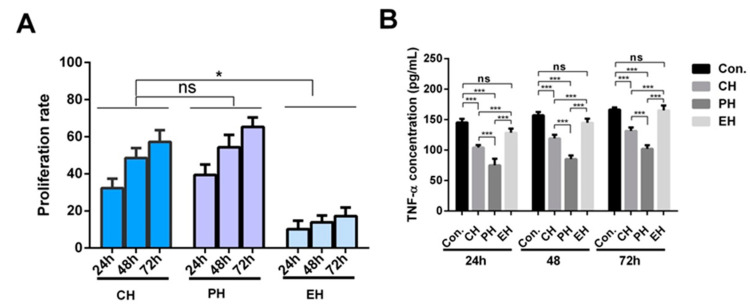
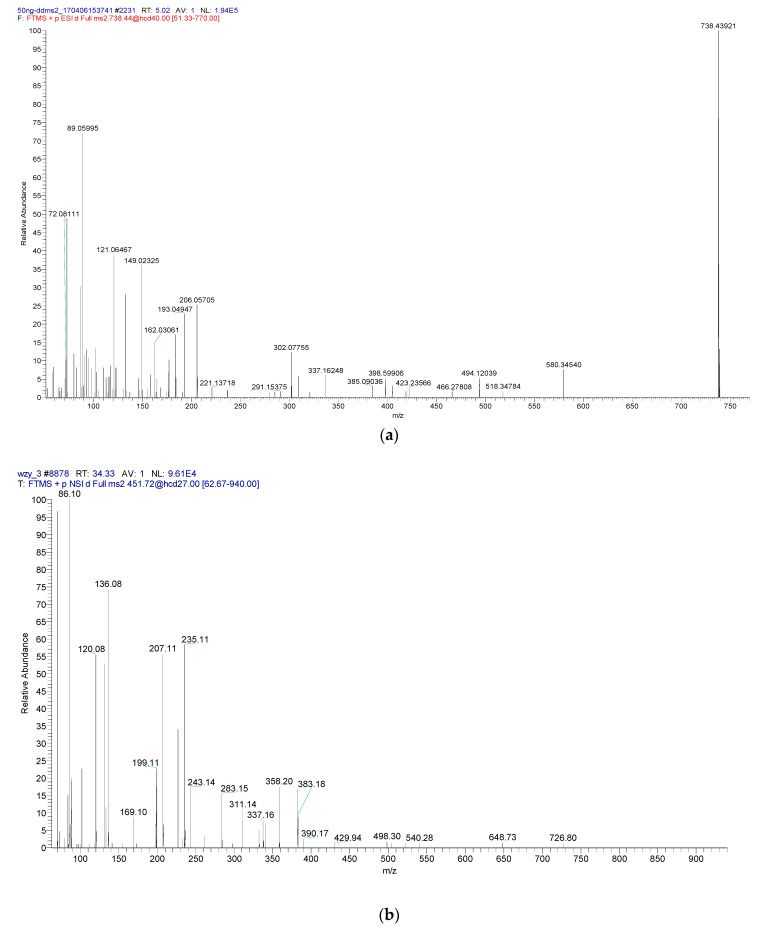
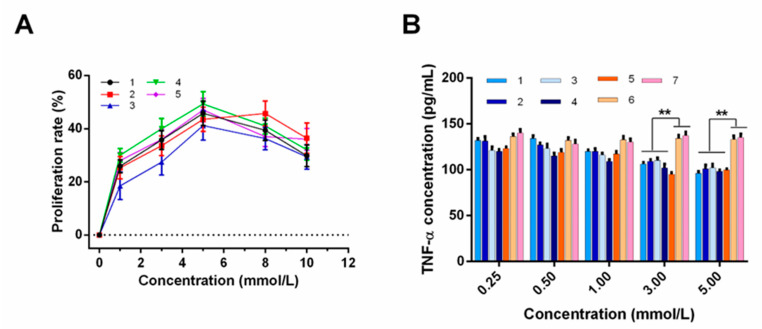
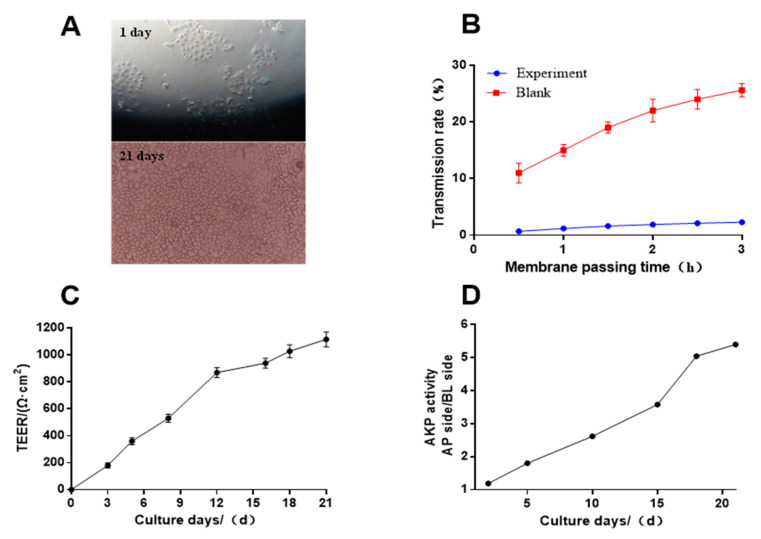
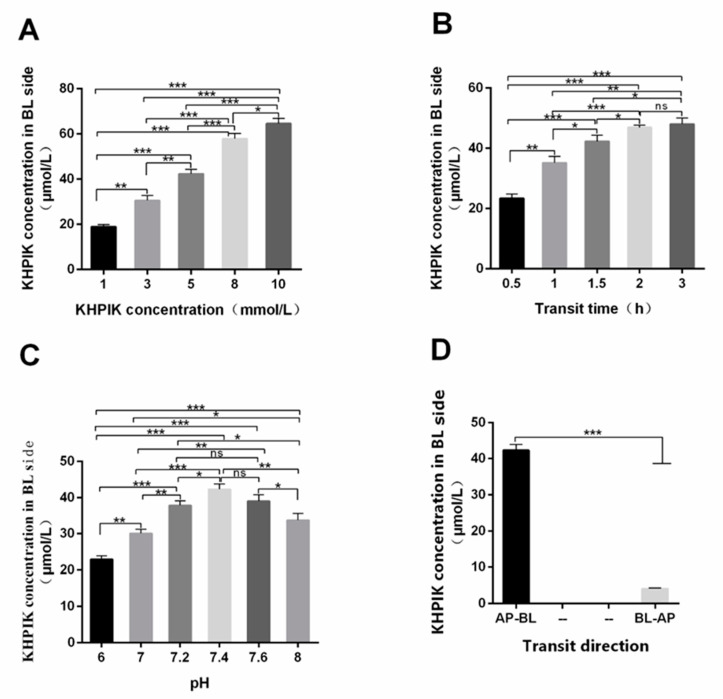
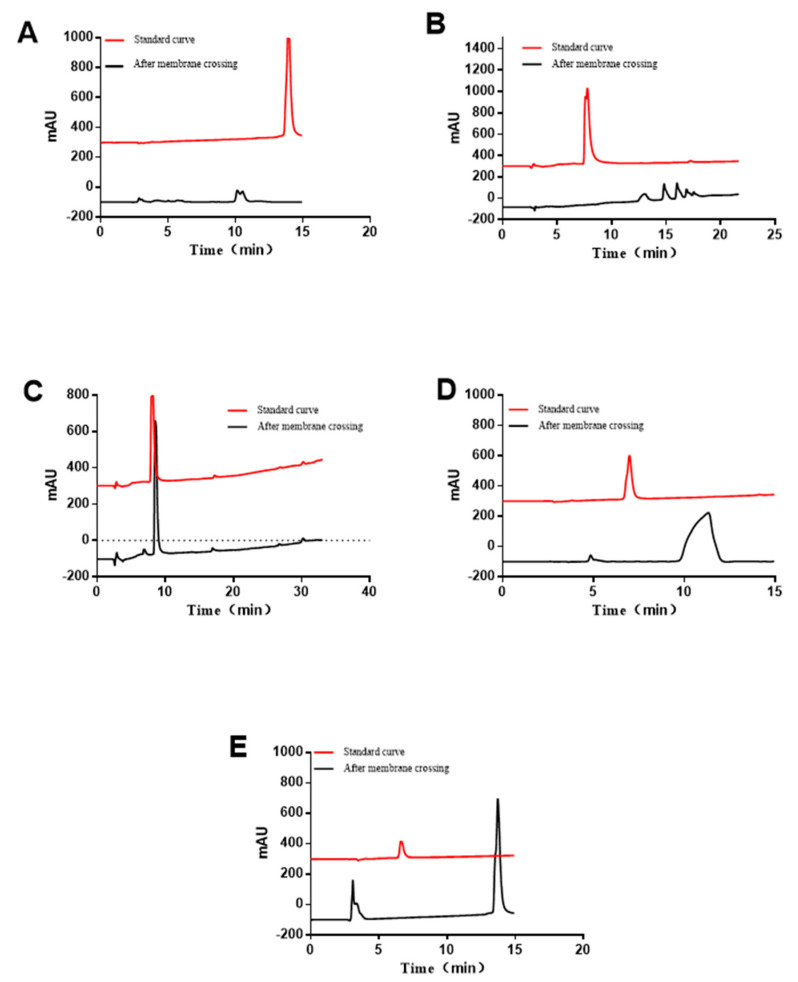
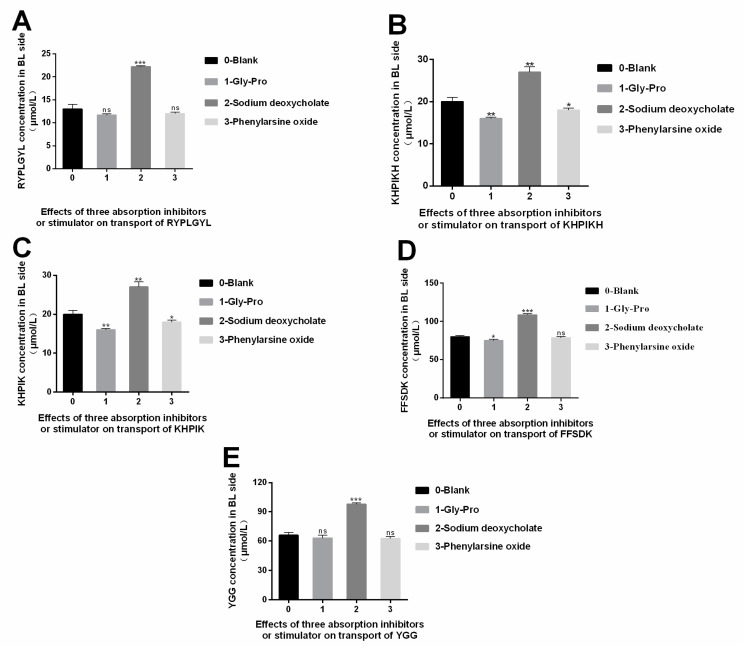
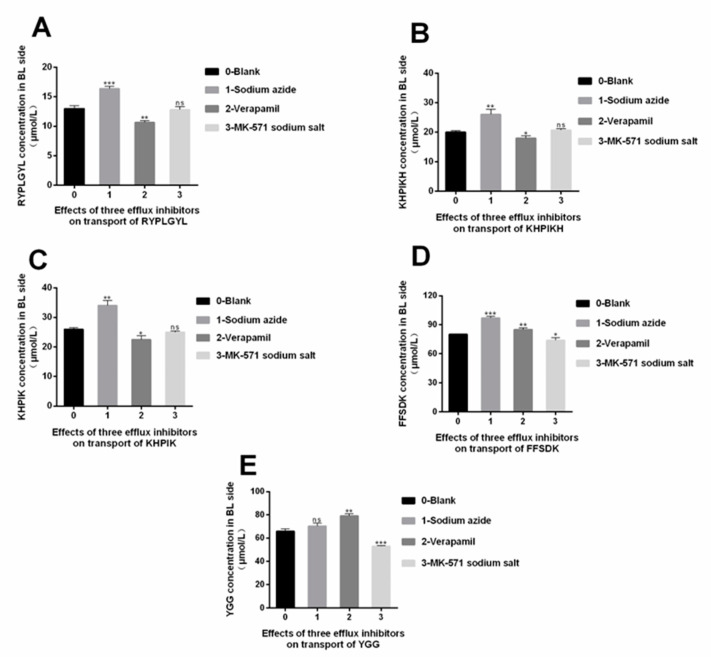
In this study, we investigated the transport mechanism of immune-active peptide fragments isolated from casein gastrointestinal hydrolysates via a Caco-2 monolayer. The casein gastrointestinal hydrolysates could stimulate B-lymphocyte proliferation and reduce the TNF-α level. Then, we identified the bioactive peptide fragments derived from casein gastrointestinal hydrolysis using LC-MS/MS. Our results demonstrated that the transport mechanism of five immune-active peptides at the cell level was bypass transport. In addition, the majority of peptide RYPLGYL was transported through the monolayer cell membrane as an intact form for playing immune-active functions. The KHPIK and FFSDK were mainly degraded into small fragments, except for a small amount passing through Caco-2 cells in an entire form. Overall, these results suggested that casein or its immune-active peptides might play a role in regulation of the intestinal immune system.
在本研究中,我们通过Caco-2单层细胞研究了从酪蛋白胃肠道水解产物中分离出的免疫活性肽片段的转运机制。酪蛋白胃肠道水解产物可刺激B淋巴细胞增殖并降低TNF-α水平。然后,我们使用LC-MS/MS鉴定了源自酪蛋白胃肠道水解的生物活性肽片段。我们的结果表明,五种免疫活性肽在细胞水平的转运机制为旁路转运。此外,大多数肽RYPLGYL以完整形式穿过单层细胞膜以发挥免疫活性功能。KHPIK和FFSDK主要降解为小片段,只有少量以完整形式穿过Caco-2细胞。总体而言,这些结果表明酪蛋白或其免疫活性肽可能在肠道免疫系统调节中发挥作用。