Functional Proteomic Section, Department of Life Sciences, University of Siena, 53100 Siena, Italy.
UOC Respiratory Diseases and Lung Transplantation, Department Internal and Specialist Medicine, University of Siena, 53100 Siena, Italy.
Int J Mol Sci. 2023 Jan 4;24(2):925. doi: 10.3390/ijms24020925.
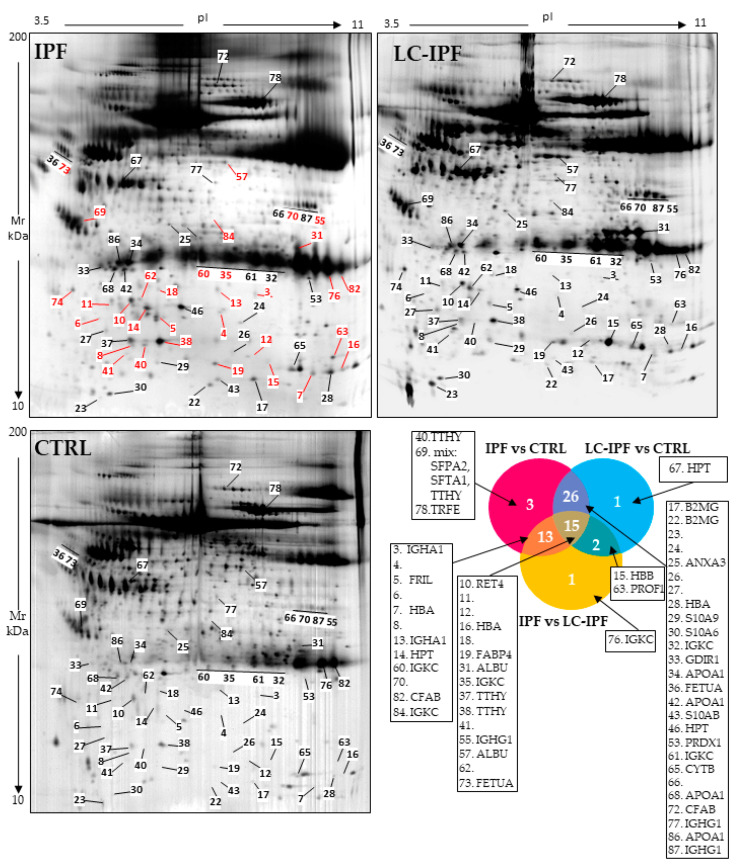
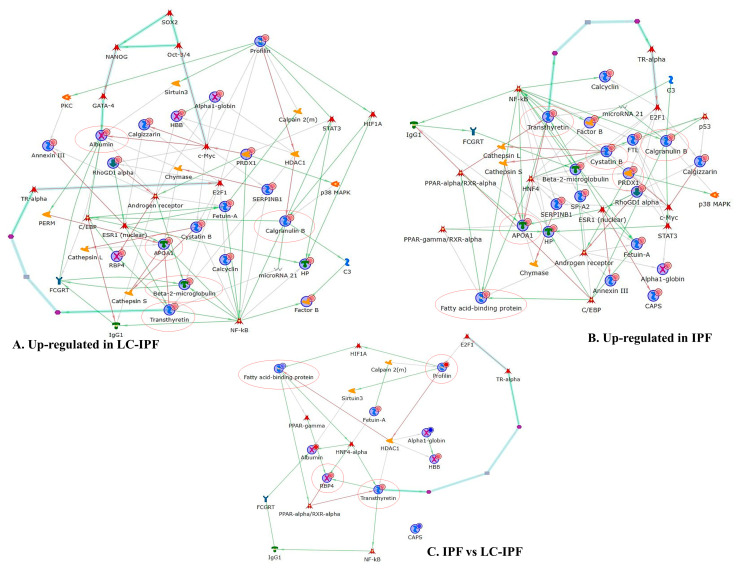
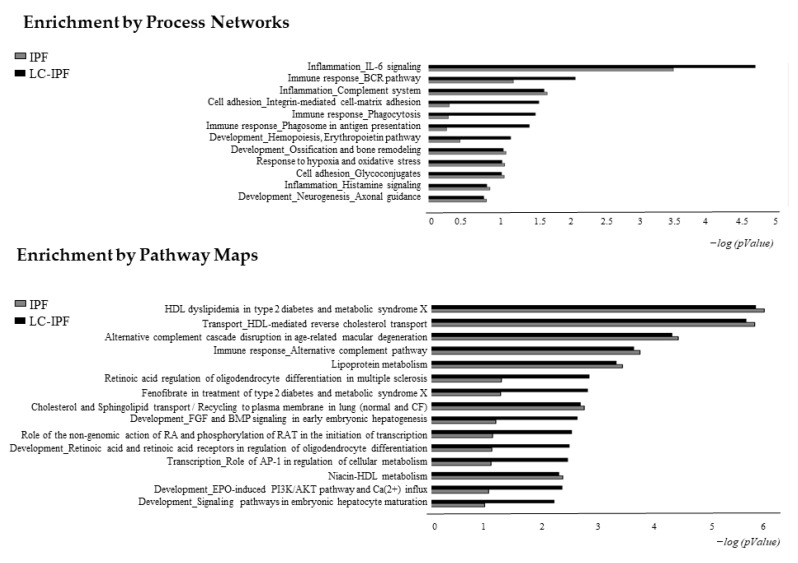
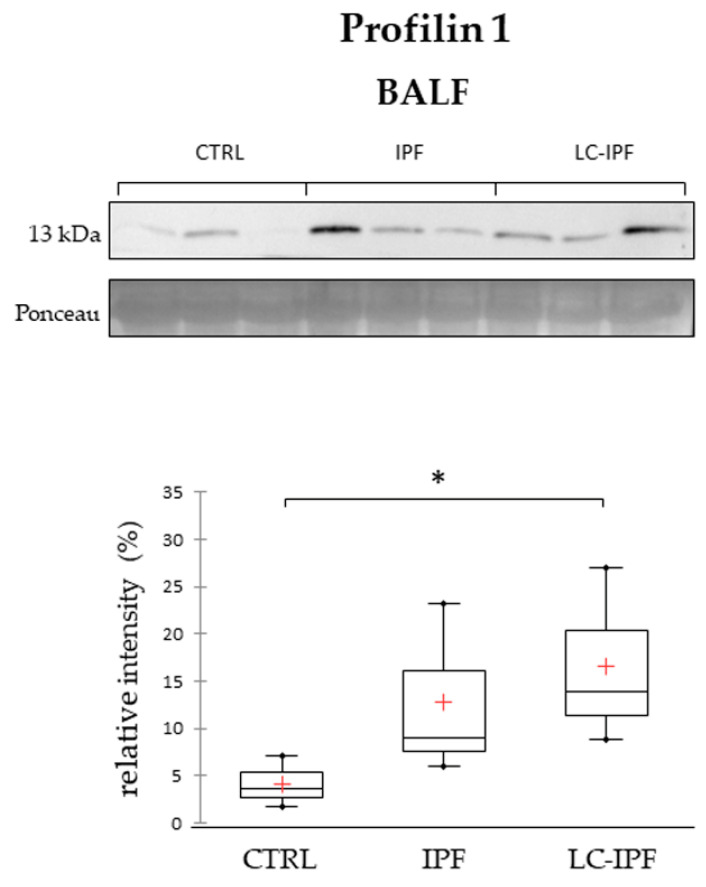
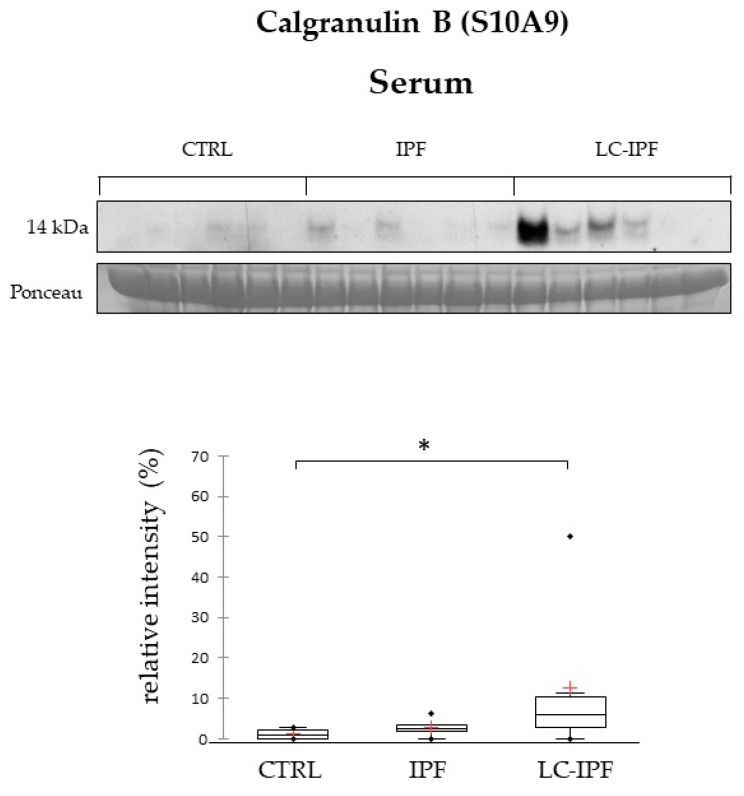
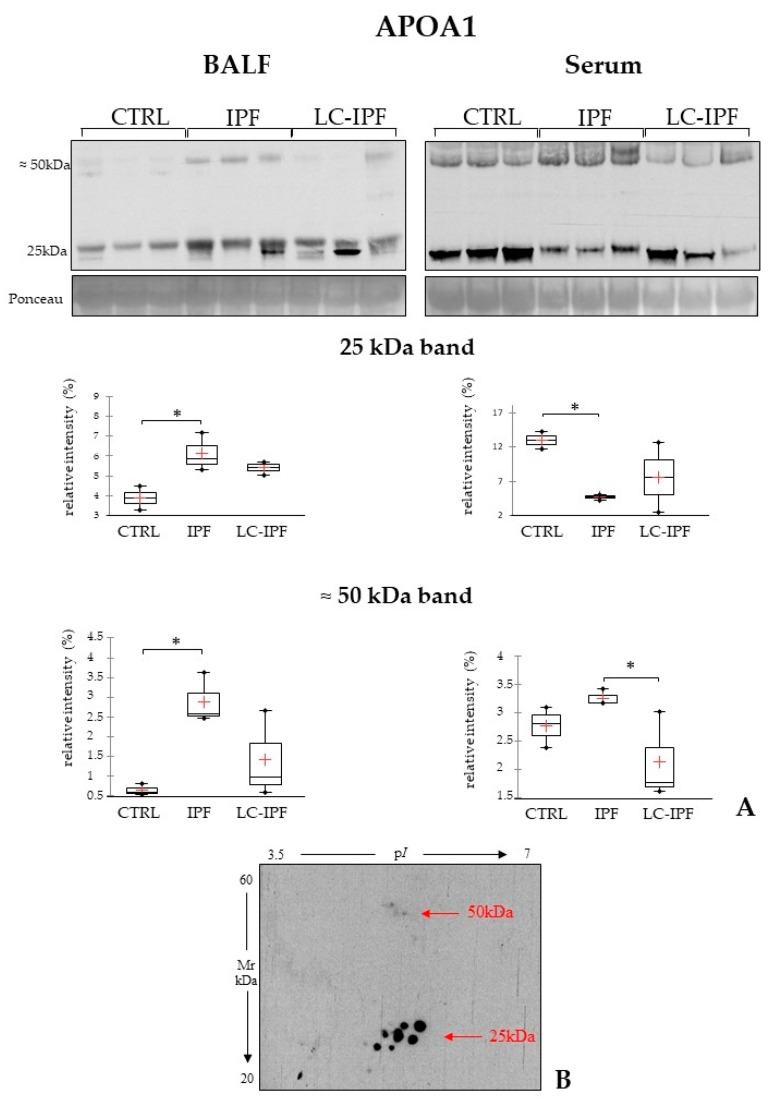
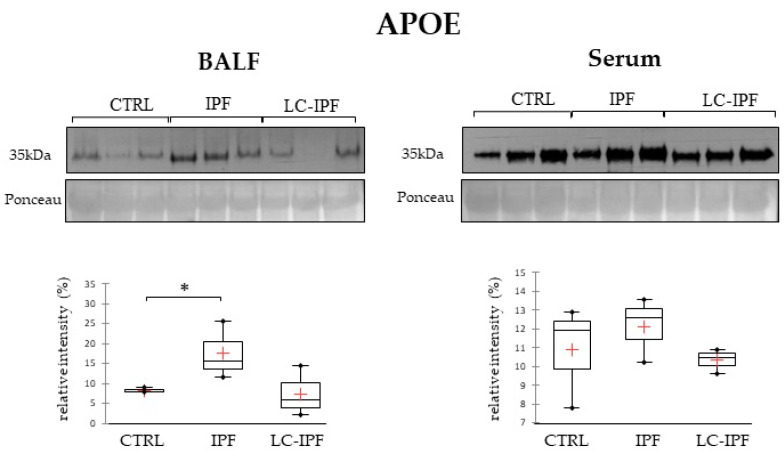
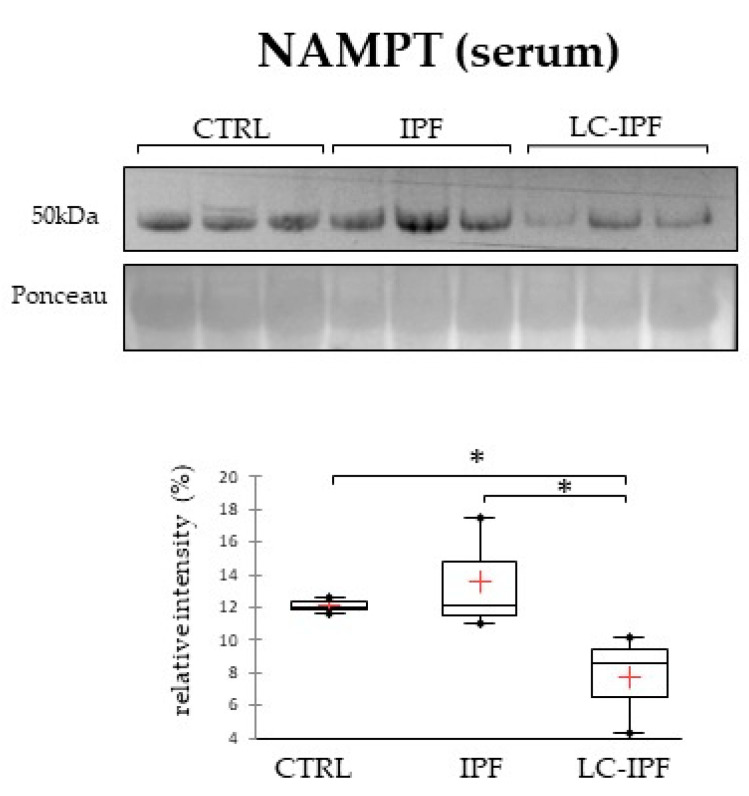
Idiopathic pulmonary fibrosis (IPF) is a form of chronic and irreversible fibrosing interstitial pneumonia of unknown etiology. Although antifibrotic treatments have shown a reduction of lung function decline and a slow disease progression, IPF is characterize by a very high mortality. Emerging evidence suggests that IPF increases the risk of lung carcinogenesis. Both diseases show similarities in terms of risk factors, such as history of smoking, concomitant emphysema, and viral infections, besides sharing similar pathogenic pathways. Lung cancer (LC) diagnosis is often difficult in IPF patients because of the diffuse lung injuries and abnormalities due to the underlying fibrosis. This is reflected in the lack of optimal therapeutic strategies for patients with both diseases. For this purpose, we performed a proteomic study on bronchoalveolar lavage fluid (BALF) samples from IPF, LC associated with IPF (LC-IPF) patients, and healthy controls (CTRL). Molecular pathways involved in inflammation, immune response, lipid metabolism, and cell adhesion were found for the dysregulated proteins in LC-IPF, such as TTHY, APOA1, S10A9, RET4, GDIR1, and PROF1. The correlation test revealed a relationship between inflammation- and lipid metabolism-related proteins. PROF1 and S10A9, related to inflammation, were up-regulated in LC-IPF BAL and serum, while APOA1 and APOE linked to lipid metabolism, were highly abundant in IPF BAL and low abundant in IPF serum. Given the properties of cytokine/adipokine of the nicotinamide phosphoribosyltransferase, we also evaluated its serum abundance, highlighting its down-regulation in LC-IPF. Our retrospective analyses of BAL samples extrapolated some potential biomarkers of LC-IPF useful to improve the management of these contemporary pathologies. Their differential abundance in serum samples permits the measurement of these potential biomarkers with a less invasive procedure.
特发性肺纤维化(IPF)是一种病因不明的慢性、不可逆性纤维性间质性肺炎。虽然抗纤维化治疗已经显示出降低肺功能下降和减缓疾病进展的效果,但 IPF 的死亡率非常高。新出现的证据表明,IPF 会增加肺癌发生的风险。这两种疾病在危险因素方面存在相似之处,例如吸烟史、并存肺气肿和病毒感染,此外还具有相似的发病机制途径。由于弥漫性肺损伤和基础纤维化导致的异常,IPF 患者的肺癌(LC)诊断往往很困难。这反映在针对这两种疾病患者的最佳治疗策略缺乏。为此,我们对特发性肺纤维化(IPF)、与 IPF 相关的肺癌(LC-IPF)患者和健康对照(CTRL)的支气管肺泡灌洗液(BAL)样本进行了蛋白质组学研究。在 LC-IPF 中发现了参与炎症、免疫反应、脂质代谢和细胞黏附的失调蛋白的分子途径,例如 TTHY、APOA1、S10A9、RET4、GDIR1 和 PROF1。相关性检验显示炎症和脂质代谢相关蛋白之间存在关系。与炎症相关的 PROF1 和 S10A9 在 LC-IPF BAL 和血清中上调,而与脂质代谢相关的 APOA1 和 APOE 在 IPF BAL 中高度丰富,在 IPF 血清中含量较低。鉴于烟酰胺磷酸核糖基转移酶的细胞因子/脂肪因子特性,我们还评估了其血清丰度,突出了其在 LC-IPF 中的下调。我们对 BAL 样本的回顾性分析推断出一些有用的 LC-IPF 潜在生物标志物,可用于改善这些现代病理学的管理。它们在血清样本中的差异丰度允许通过一种侵入性较小的程序来测量这些潜在的生物标志物。