Faculty of Biotechnology and Food Sciences, Institute of Natural Products and Cosmetics, Lodz University of Technology, 2/22 Stefanowskiego St., 90-537 Lodz, Poland.
International Faculty of Engineering, Lodz University of Technology, 36 Zwirki St., 90-539 Lodz, Poland.
Int J Mol Sci. 2023 Jan 5;24(2):1005. doi: 10.3390/ijms24021005.
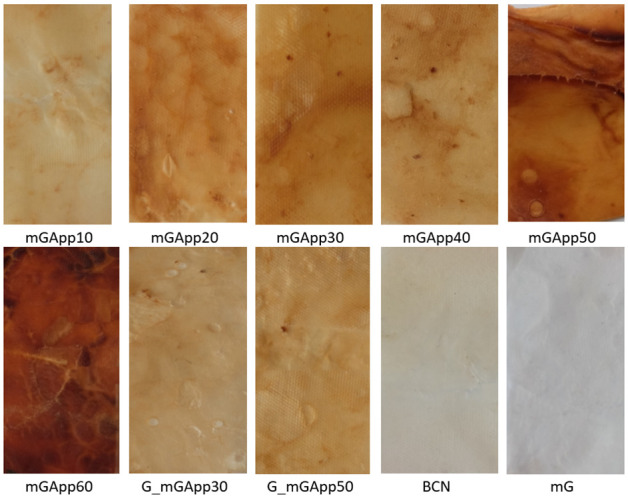
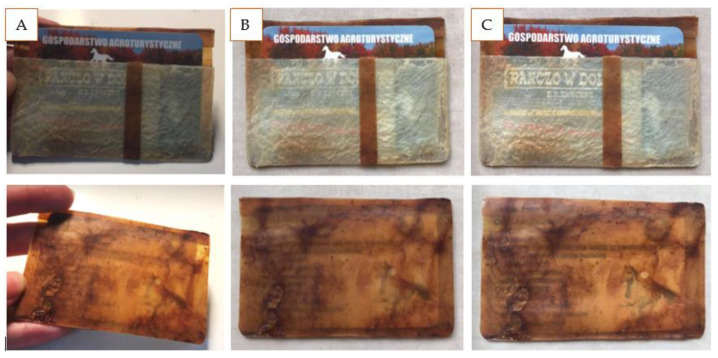
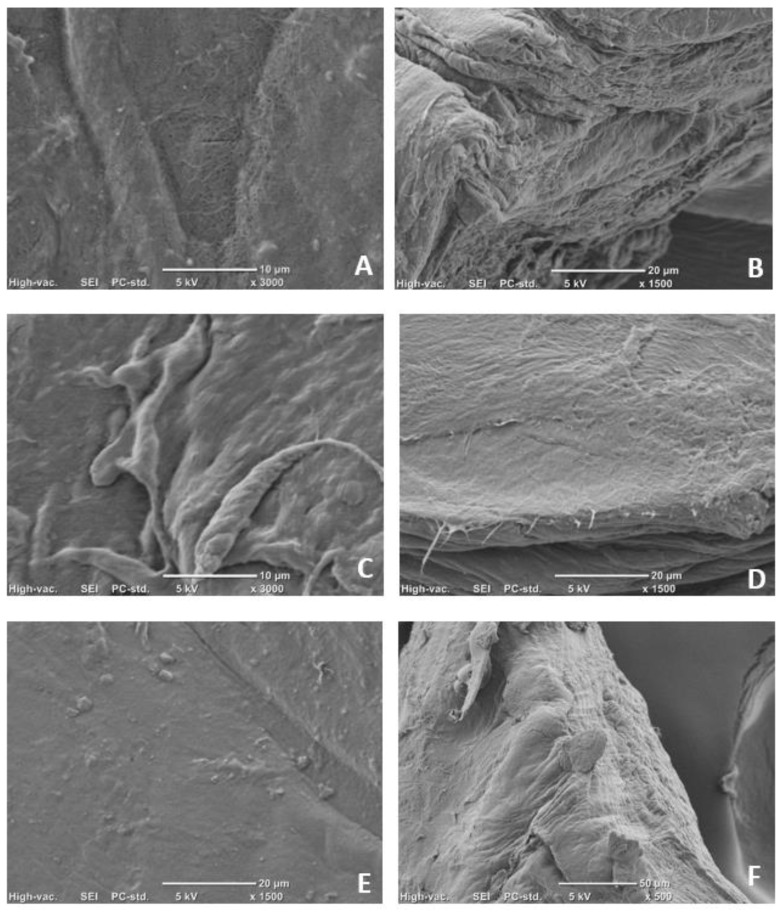
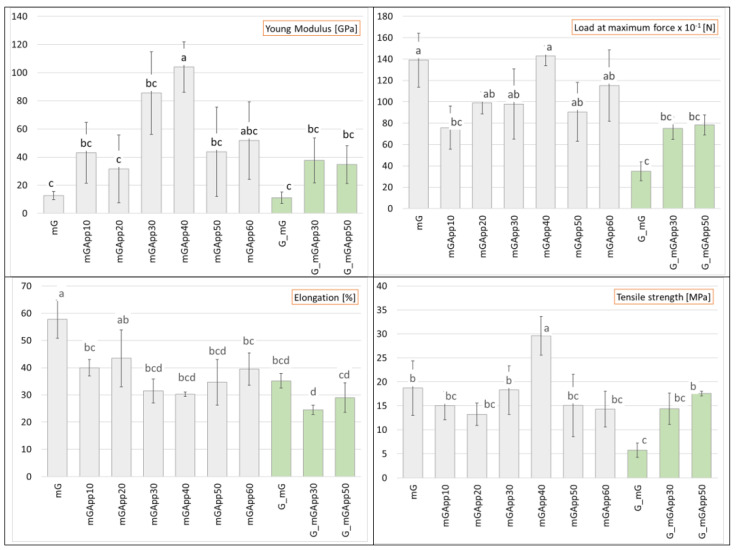
The need for new non-animal and non-petroleum-based materials is strongly emphasized in the sustainable and green economy. Waste materials have proven a valuable resource in this regard. In fact, there have been quite a large number of goods obtained from wastes called "Vegan leather" that have gained the clothing market's attention in recent years. In practice, they are mostly composites of waste materials like cactus, pineapples, or, eventually, apples with polymers like polyurethane or polyvinyl chloride. The article presents the results of work aimed at obtaining a material based entirely on natural, biodegradable raw materials. Bacterial cellulose produced as a byproduct of the fermentation carried out by SCOBY was modified with glycerol and then altered by the entrapment of apple powder. The effect of introducing apple powder into the SCOBY culture media on the mechanical properties of the obtained bacterial cellulose was also evaluated The resulting material acquired new mechanical characteristics that are advantageous in terms of strength. Microscopic observation of the apple powder layer showed that the coverage was uniform. Different amounts of apple powder were used to cover the cellulose surface from 10 to 60%, and it was found that the variant with 40% of this powder was the most favorable in terms of mechanical strength. Also, the application of the created material as a card folder showed that it is durable in use and retains its functional characteristics for at least 1 month. The mechanical properties of modified bacterial cellulose were favorably affected by the entrapment of apple powder on its surface, and as a result, a novel material with functional characteristics was obtained.
在可持续和绿色经济中,强烈强调需要新型非动物和非石油基材料。废物已被证明是这方面有价值的资源。事实上,近年来已经有相当多的“素食皮革”商品从废物中获得,这些商品引起了服装市场的关注。实际上,它们大多是由仙人掌、菠萝或最终的苹果等废物与聚氨酯或聚氯乙烯等聚合物复合材料制成的。本文介绍了旨在获得完全基于天然可生物降解原料的材料的工作结果。通过 SCOBY 进行发酵产生的细菌纤维素用甘油进行改性,然后通过苹果粉的包埋进行改变。还评估了在 SCOBY 培养基中引入苹果粉对获得的细菌纤维素机械性能的影响。所得材料获得了在强度方面有利的新机械特性。对苹果粉层的微观观察表明,覆盖是均匀的。使用了不同量的苹果粉来覆盖纤维素表面,从 10%到 60%,结果发现含有 40%这种粉末的变体在机械强度方面最有利。此外,所创建材料作为文件夹的应用表明,它在使用中耐用,并至少保留其功能特性 1 个月。苹果粉在其表面的包埋对改性细菌纤维素的机械性能产生了有利影响,因此获得了具有功能特性的新型材料。