Instituto de Investigación, Desarrollo e Innovación en Biotecnología Sanitaria de Elche (IDiBE), Universidad Miguel Hernández, 03202 Elche, Spain.
Centro de Investigación Biomédica en Red de Diabetes y Enfermedades Metabólicas Asociadas (CIBERDEM), 28029 Madrid, Spain.
Int J Mol Sci. 2023 Jan 5;24(2):1044. doi: 10.3390/ijms24021044.
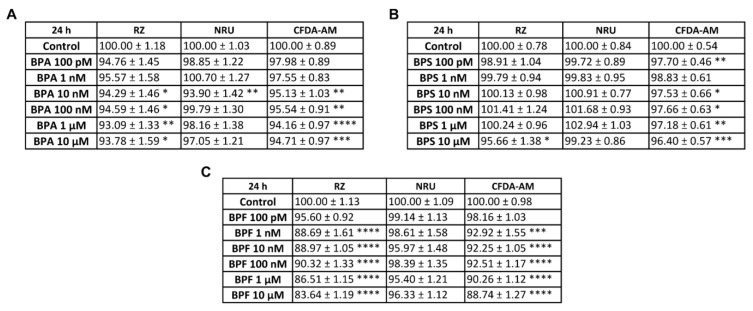
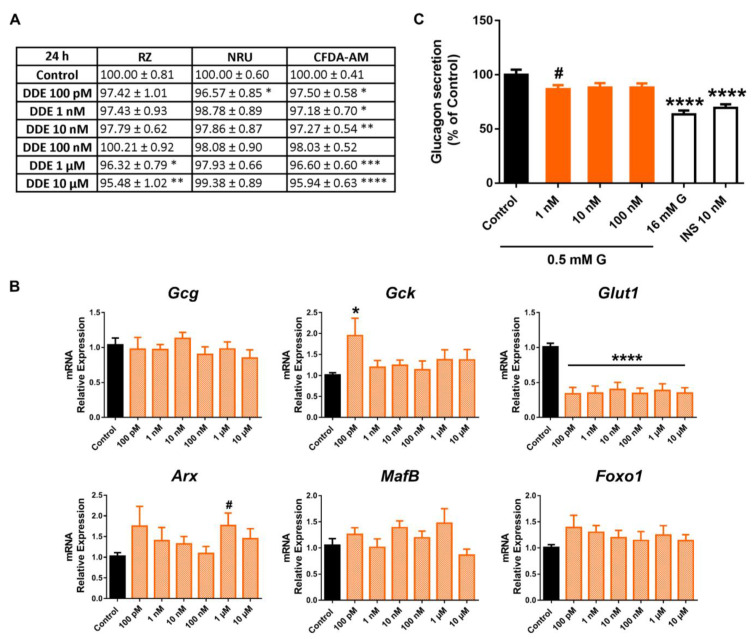
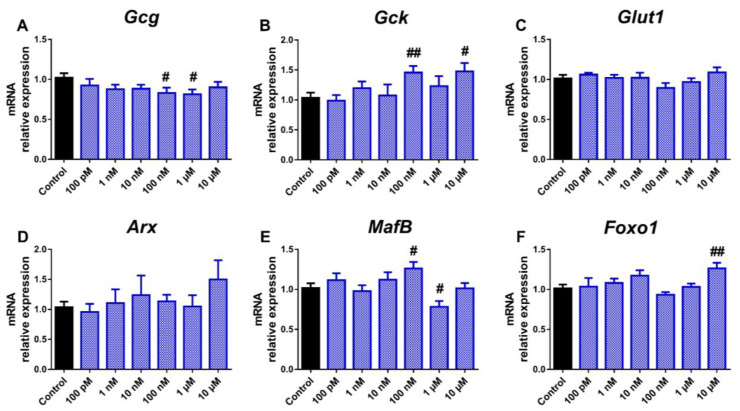
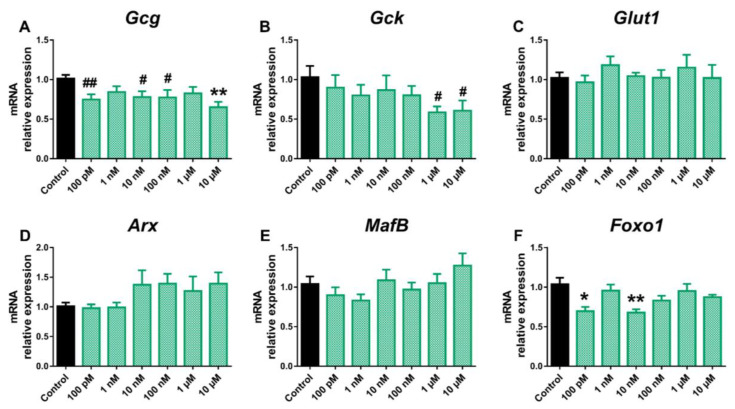
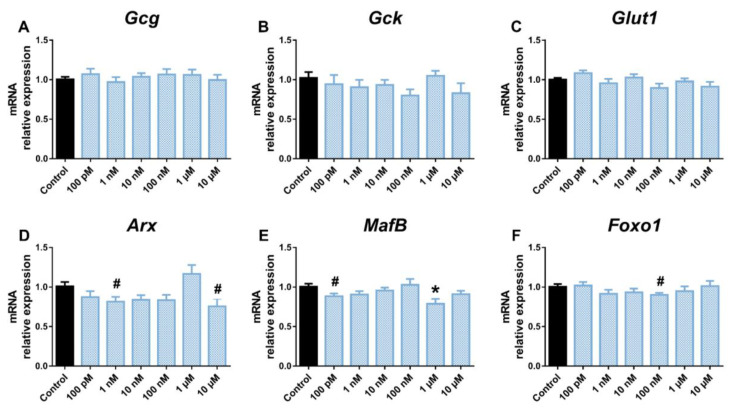
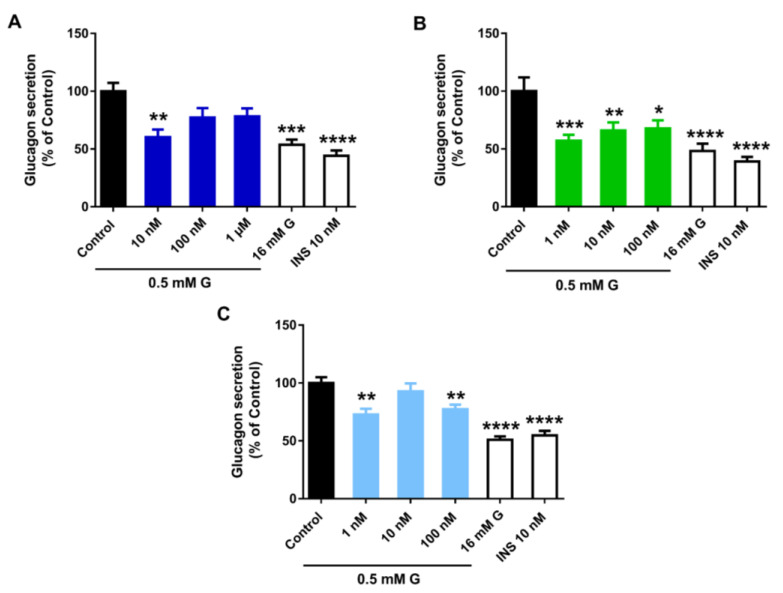
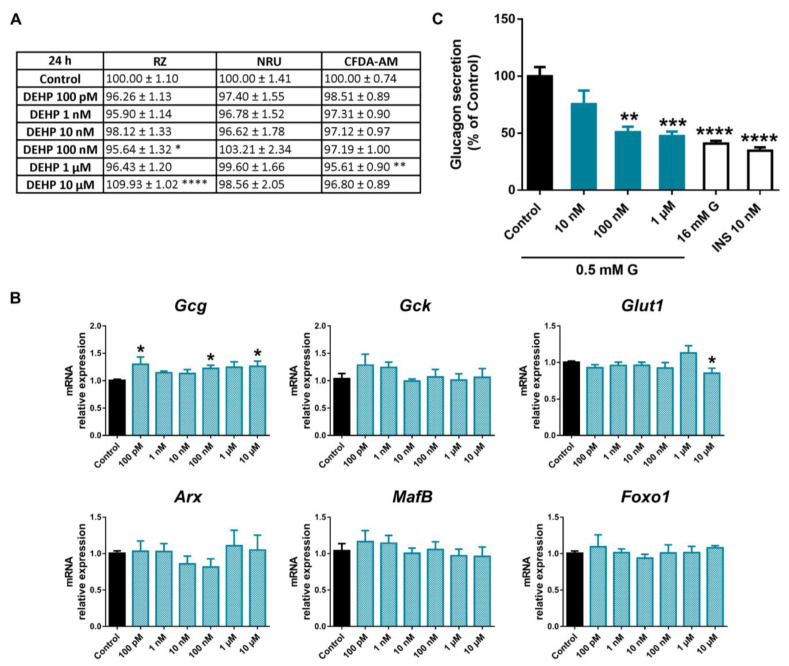
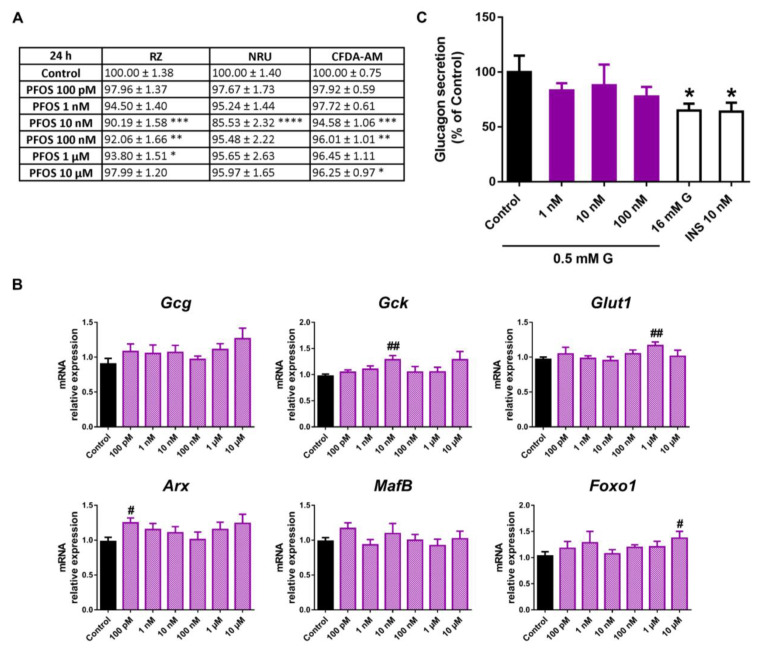
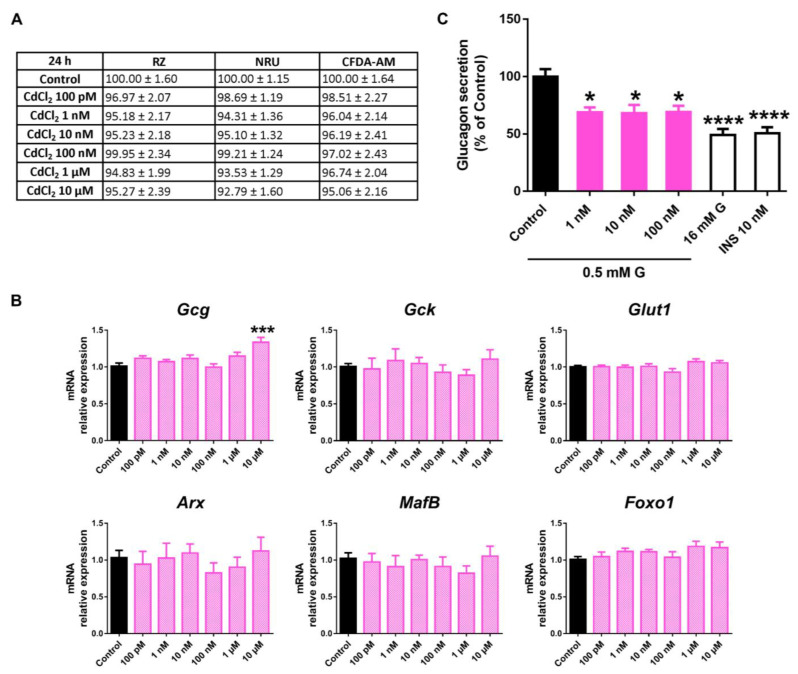
Humans are constantly exposed to many environmental pollutants, some of which have been largely acknowledged as key factors in the development of metabolic disorders such as diabetes and obesity. These chemicals have been classified as endocrine-disrupting chemicals (EDCs) and, more recently, since they can interfere with metabolic functions, they have been renamed as metabolism-disrupting chemicals (MDCs). MDCs are present in many consumer products, including food packaging, personal care products, plastic bottles and containers, and detergents. The scientific literature has ever-increasingly focused on insulin-releasing pancreatic β-cells as one of the main targets for MDCs. Evidence highlights that these substances may disrupt glucose homeostasis by altering pancreatic β-cell physiology. However, their potential impact on glucagon-secreting pancreatic α-cells remains poorly known despite the essential role that this cellular type plays in controlling glucose metabolism. In the present study, we have selected seven paradigmatic MDCs representing major toxic classes, including bisphenols, phthalates, perfluorinated compounds, metals, and pesticides. By using an in vitro cell-based model, the pancreatic α-cell line αTC1-9, we have explored the effects of these compounds on pancreatic α-cell viability, gene expression, and secretion. We found that cell viability was moderately affected after bisphenol-A (BPA), bisphenol-F (BPF), and perfluorooctanesulfonic acid (PFOS) exposure, although cytotoxicity was relatively low. In addition, all bisphenols, as well as di(2-ethylhexyl) phthalate (DEHP) and cadmium chloride (CdCl), promoted a marked decreased on glucagon secretion, together with changes in the expression of glucagon and/or transcription factors involved in cell function and identity, such as and . Overall, our results indicated that most of the selected chemicals studied caused functional alterations in pancreatic α-cells. Moreover, we revealed, for the first time, their direct effects on key molecular aspects of pancreatic α-cell biology.
人类不断暴露于许多环境污染物中,其中一些已被广泛认为是导致代谢紊乱(如糖尿病和肥胖症)的关键因素。这些化学物质被归类为内分泌干扰化学物质(EDCs),最近,由于它们会干扰代谢功能,因此被重新命名为代谢干扰化学物质(MDCs)。MDCs 存在于许多消费品中,包括食品包装、个人护理产品、塑料瓶和容器以及清洁剂。科学文献越来越关注胰岛β细胞作为 MDCs 的主要靶标之一。有证据表明,这些物质可能通过改变胰岛β细胞的生理学来破坏葡萄糖稳态。然而,尽管这种细胞类型在控制葡萄糖代谢方面起着至关重要的作用,但它们对胰高血糖素分泌的胰岛α细胞的潜在影响仍知之甚少。在本研究中,我们选择了七种具有代表性的 MDC 代表主要的毒性类别,包括双酚类、邻苯二甲酸酯类、全氟化合物、金属和农药。通过使用体外基于细胞的模型,即胰岛α细胞系 αTC1-9,我们探索了这些化合物对胰岛α细胞活力、基因表达和分泌的影响。我们发现,双酚-A(BPA)、双酚-F(BPF)和全氟辛烷磺酸(PFOS)暴露后,细胞活力受到中度影响,尽管细胞毒性相对较低。此外,所有双酚类物质以及邻苯二甲酸二(2-乙基己基)酯(DEHP)和氯化镉(CdCl)均显著降低了胰高血糖素的分泌,并改变了参与细胞功能和特性的胰高血糖素和/或转录因子的表达,如 和 。总体而言,我们的结果表明,大多数选定的化学物质研究均导致胰岛α细胞的功能改变。此外,我们首次揭示了它们对胰岛α细胞生物学关键分子方面的直接影响。