Marchianò Verdiana, Matos Maria, López Miriam, Weng Shihan, Serrano-Pertierra Esther, Luque Susana, Blanco-López M Carmen, Gutiérrez Gemma
Department of Chemical and Environmental Engineering, University of Oviedo, Julián Clavería 8, 33006 Oviedo, Spain.
Department of Physical and Analytical Chemistry, University of Oviedo, Julián Clavería 8, 33006 Oviedo, Spain.
Membranes (Basel). 2023 Jan 11;13(1):95. doi: 10.3390/membranes13010095.
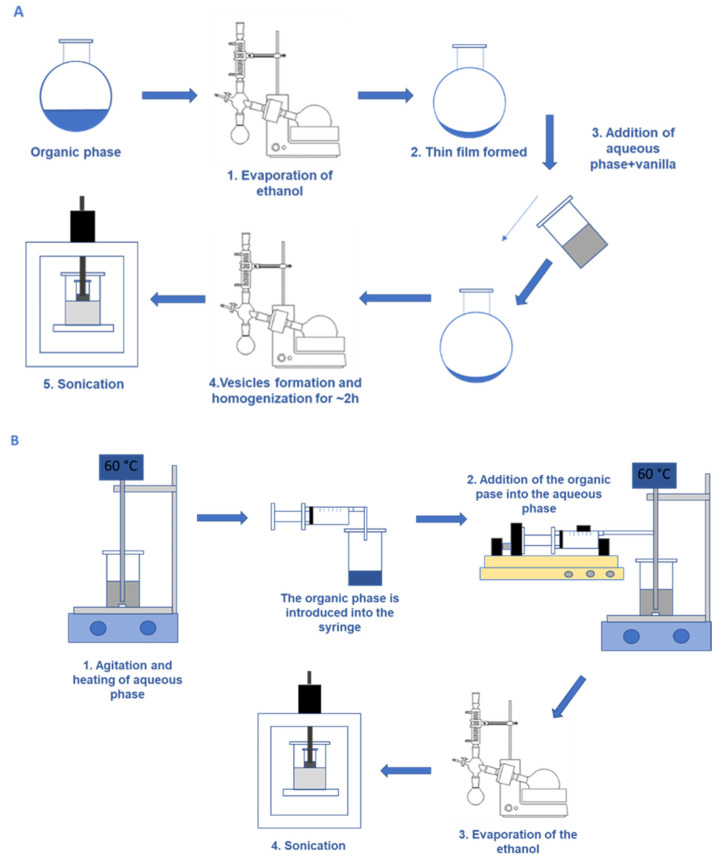
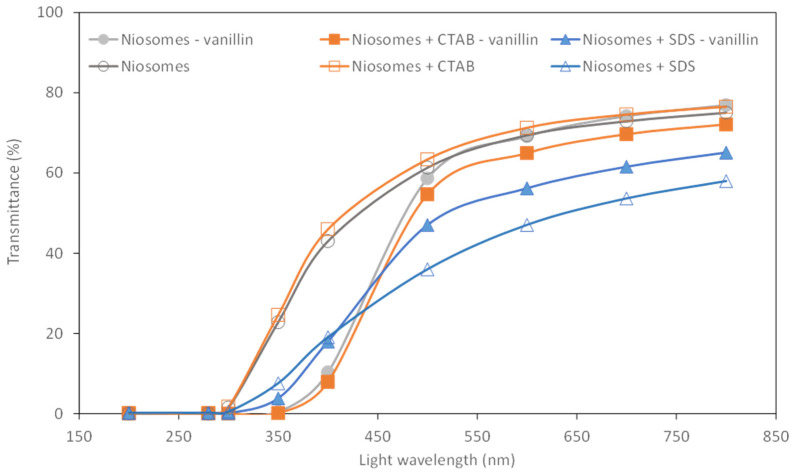
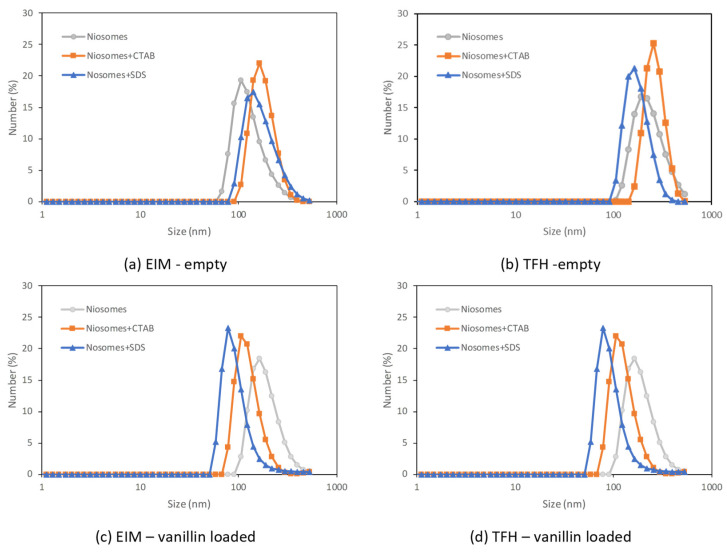
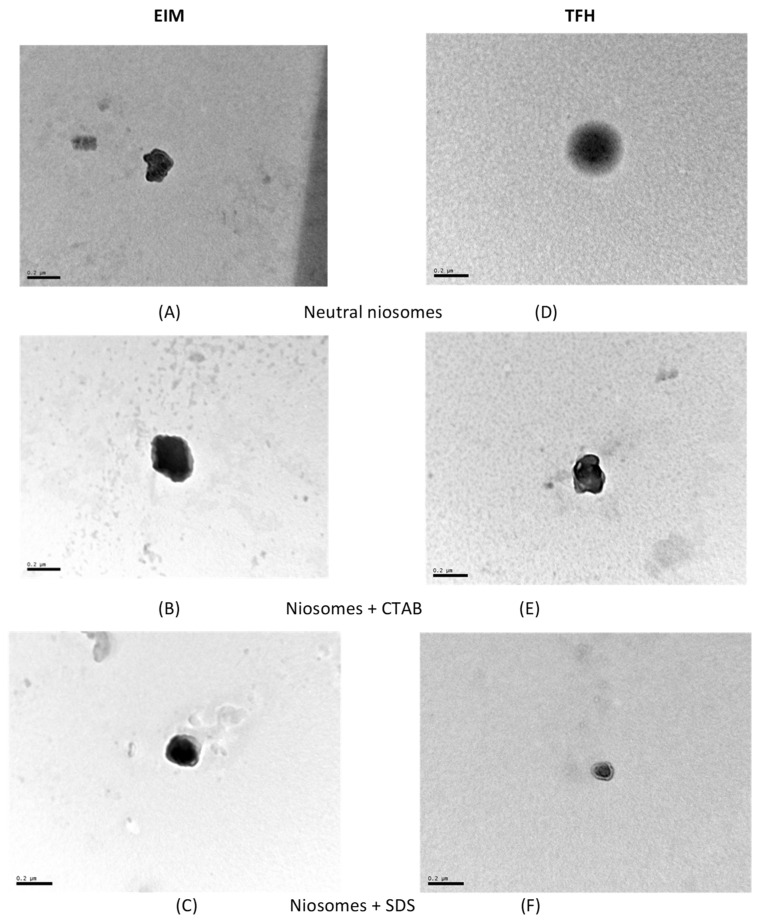
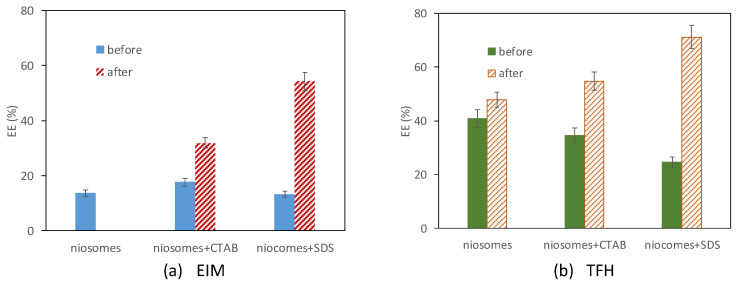
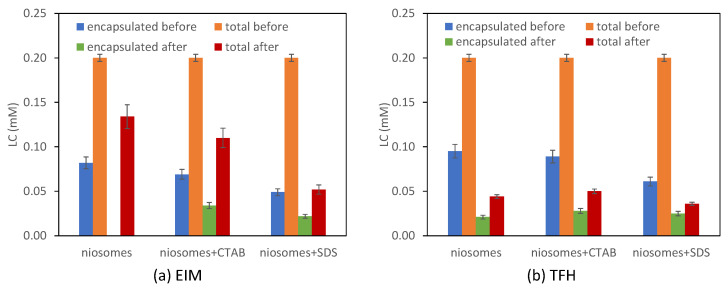
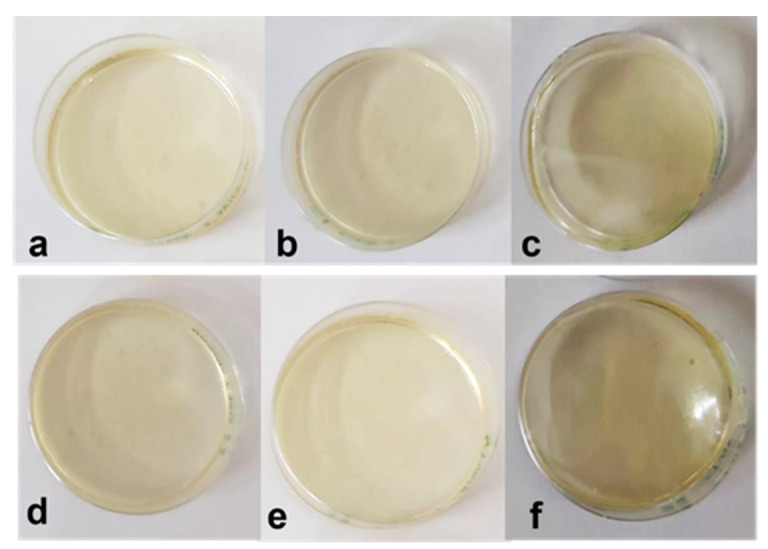
Vanillin is a natural compound easily extracted from plants. It has neuroprotective, anti-carcinogenic, antioxidant, antimicrobial, and anti-biofilm properties. It also presents high volatility, high hydrophilicity, and low bioavailability. Nanomaterials can be used to improve pharmacodynamics, solubility, and stability and to enhance pharmacokinetics. In this work, non-ionic surfactant vesicles were synthesized as vanillin carriers: neutral niosomes formed by Span60 and cholesterol, positive charged niosomes formulated with cetyltrimethylammonium bromide (CTAB), and negatively charged niosomes formulated with sodium dodecyl sulfate (SDS). Niosomes synthesis was carried out with two commonly used methods: thin film hydration (TFH) and ethanol injection method (EIM). The niosomes synthesized were used to prepare two different materials: (i) a powder containing the lyophilized noisome with vanillin systems and (ii) a gelatin matrix film containing niosomes with vanillin. Lyophilization was carried out using maltodextrin as a cryoprotectant. The lyophilization of colloidal structures allows for storage at room temperature for long periods of time, keeping their organoleptic characteristics invariable. Niosomes were characterized before and after the lyophilization process in terms of morphological characterization, size, polydispersity index (PDI), and zeta potential. Moreover, niosomes cargo was evaluated by calculating the encapsulation efficiency (EE) and loading capacity (LC). Results showed that the use of the TFH method allowed us to obtain niosomes of 255 nm with high EE (up to 40%) and LC values higher than EIM. The lyophilization process decreased the LC of the vesicles prepared, but this decrease was mitigated by up to 20% when ionic surfactants were used on the membrane bilayer. Gelatin films are biodegradable materials suitable for food packing applications. The incorporation of a natural compound with antimicrobial activity would be a clear advantage for such an application. The films prepared were characterized in terms of morphology, water solubility, color, and transparency. Niosomes synthesized by thin film hydration had better chemical and physical properties to load vanillin. Especially in the case of application in films, niosomes with a negative charge, formed by SDS, and vanillin loaded gave better mechanical and chemical characteristics to the film.
香草醛是一种易于从植物中提取的天然化合物。它具有神经保护、抗癌、抗氧化、抗菌和抗生物膜特性。它还具有高挥发性、高亲水性和低生物利用度。纳米材料可用于改善药效学、溶解度和稳定性,并增强药代动力学。在这项工作中,合成了非离子表面活性剂囊泡作为香草醛载体:由司盘60和胆固醇形成的中性脂质体、用十六烷基三甲基溴化铵(CTAB)配制的带正电荷脂质体,以及用十二烷基硫酸钠(SDS)配制的带负电荷脂质体。脂质体的合成采用两种常用方法:薄膜水化法(TFH)和乙醇注入法(EIM)。合成的脂质体用于制备两种不同的材料:(i)一种含有冻干脂质体与香草醛体系的粉末,以及(ii)一种含有脂质体与香草醛的明胶基质膜。冻干过程使用麦芽糊精作为冷冻保护剂。胶体结构的冻干允许在室温下长时间储存,保持其感官特性不变。在冻干过程前后,对脂质体进行形态表征、尺寸、多分散指数(PDI)和zeta电位方面的表征。此外,通过计算包封率(EE)和载药量(LC)来评估脂质体的载药量。结果表明,使用TFH方法能够获得粒径为255 nm的脂质体,其EE较高(高达40%),且LC值高于EIM。冻干过程降低了所制备囊泡的LC,但当在膜双分子层中使用离子表面活性剂时,这种降低可减轻多达20%。明胶膜是适用于食品包装应用的可生物降解材料。掺入具有抗菌活性的天然化合物对于这种应用将是一个明显的优势。所制备的膜在形态、水溶性、颜色和透明度方面进行了表征。通过薄膜水化合成的脂质体在负载香草醛方面具有更好的化学和物理性质。特别是在薄膜应用的情况下,由SDS形成的带负电荷的脂质体与负载的香草醛赋予薄膜更好的机械和化学特性。