Svyatchenko Victor A, Ternovoi Vladimir A, Lutkovskiy Roman Y, Protopopova Elena V, Gudymo Andrei S, Danilchenko Nataliya V, Susloparov Ivan M, Kolosova Nataliya P, Ryzhikov Alexander B, Taranov Oleg S, Omigov Vladimir V, Gavrilova Elena V, Agafonov Alexander P, Maksyutov Rinat A, Loktev Valery B
State Research Center of Virology and Biotechnology "Vector", 630559 Koltsovo, Novosibirsk Region, Russia.
Microorganisms. 2023 Jan 11;11(1):180. doi: 10.3390/microorganisms11010180.
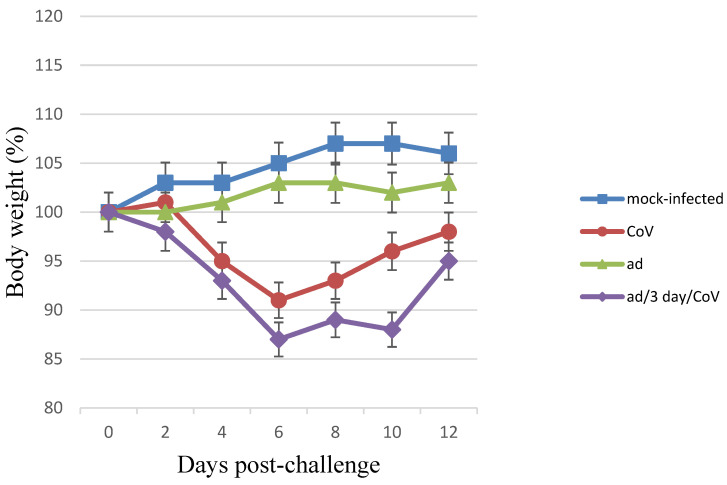
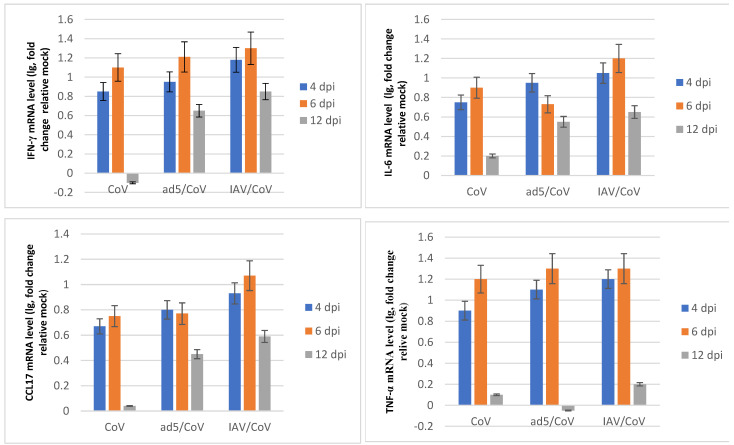
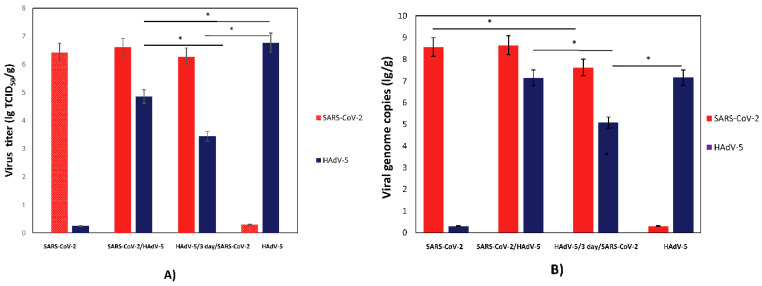
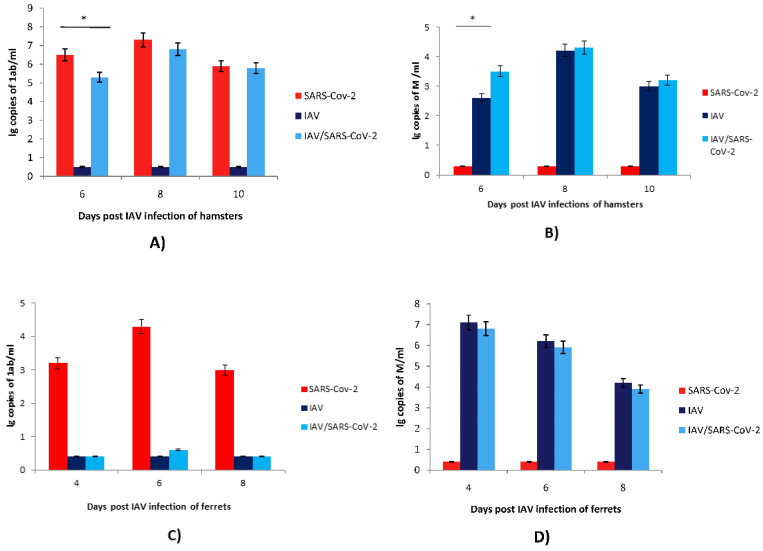
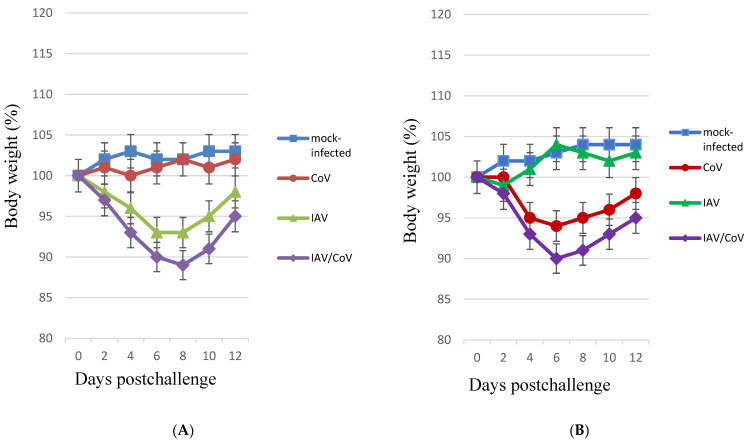
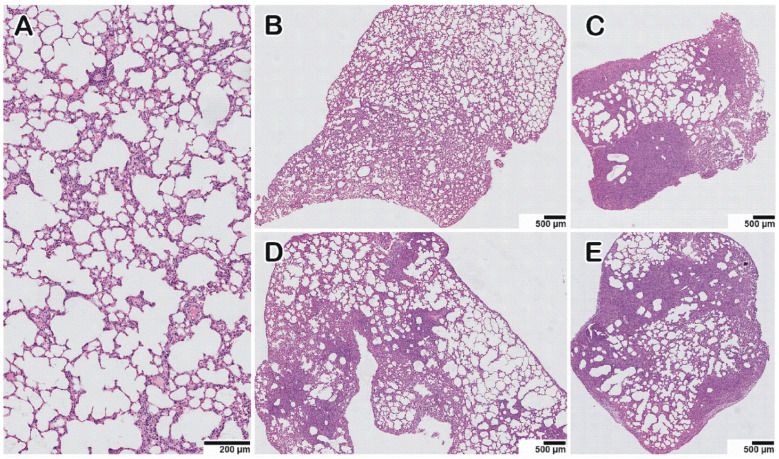
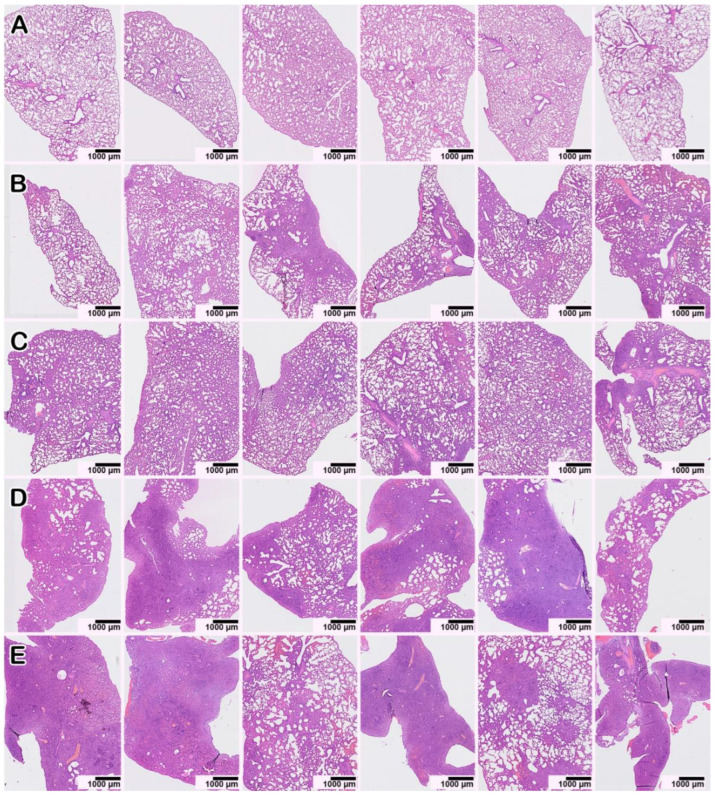
In this study, we investigated the features of the infectious process by simulating co-infection with SARS-CoV-2 and human adenovirus type 5 (HAdV-5) or influenza A virus (IAV) in vitro and in vivo. The determination of infectious activity of viruses and digital PCR demonstrated that during simultaneous and sequential HAdV-5 followed by SARS-CoV-2 infection in vitro and in vivo, the HAdV-5 infection does not interfere with replication of SARS-CoV-2. The hamsters co-infected and mono-infected with SARS-CoV-2 exhibited nearly identical viral titers and viral loads of SARS-CoV-2 in the lungs. The hamsters and ferrets co-infected by SARS-CoV-2- and IAV demonstrated more pronounced clinical manifestations than mono-infected animals. Additionally, the lung histological data illustrate that HAdV-5 or IAV and SARS-CoV-2 co-infection induces more severe pathological changes in the lungs than mono-infection. The expression of several genes specific to interferon and cytokine signaling pathways in the lungs of co-infected hamsters was more upregulated compared to single infected with SARS-CoV-2 animals. Thus, co-infection with HAdV-5 or IAV and SARS-CoV-2 leads to more severe pulmonary disease in animals.
在本研究中,我们通过在体外和体内模拟新型冠状病毒(SARS-CoV-2)与5型人类腺病毒(HAdV-5)或甲型流感病毒(IAV)的共同感染,研究了感染过程的特征。病毒感染活性的测定和数字PCR表明,在体外和体内HAdV-5随后依次感染SARS-CoV-2的过程中,HAdV-5感染不会干扰SARS-CoV-2的复制。感染SARS-CoV-2的仓鼠在肺中表现出几乎相同的SARS-CoV-2病毒滴度和病毒载量,无论是共同感染还是单独感染。感染SARS-CoV-2和IAV的仓鼠和雪貂比单独感染的动物表现出更明显的临床表现。此外,肺部组织学数据表明,HAdV-5或IAV与SARS-CoV-2共同感染比单独感染在肺部引起更严重的病理变化。与单独感染SARS-CoV-2的动物相比,共同感染的仓鼠肺中几种干扰素和细胞因子信号通路特异性基因的表达上调更为明显。因此,HAdV-5或IAV与SARS-CoV-2共同感染会导致动物更严重的肺部疾病。