Chavda Vivek P, Mishra Toshika, Vuppu Suneetha
Department of Pharmaceutics and Pharmaceutical Technology, LM College of Pharmacy, Ahmedabad 380009, Gujarat, India.
Department of Biotechnology, Science, Innovation, and Society Research Lab. 115, Hexagon (SMV), Vellore Institute of Technology, Vellore 632014, Tamil Nadu, India.
Vaccines (Basel). 2022 Dec 25;11(1):45. doi: 10.3390/vaccines11010045.
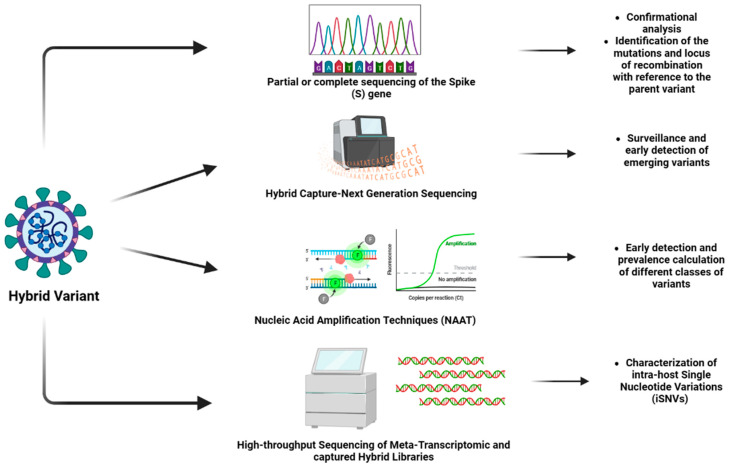
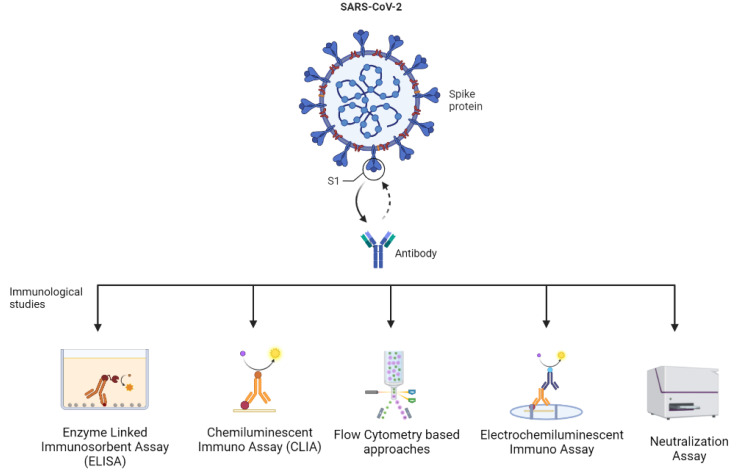
The zoonotic SARS-CoV-2 virus was present before the onset of the pandemic. It undergoes evolution, adaptation, and selection to develop variants that gain high transmission rates and virulence, resulting in the pandemic. Structurally, the spike protein of the virus is required for binding to ACE2 receptors of the host cells. The gene coding for the spike is known to have a high propensity of mutations, as a result generating numerous variants. The variants can be generated by random point mutations or recombination during replication. However, SARS-CoV-2 can also produce hybrid variants on co-infection of the host by two distinct lineages of the virus. The genomic sequences of the two variants undergo recombination to produce the hybrid variants. Additionally, these sub-variants also contain numerous mutations from both the parent variants, as well as some novel mutations unique to the hybrids. The hybrid variants (XD, XE, and XF) can be identified through numerous techniques, such as peak PCR, NAAT, and hybrid capture SARS-CoV-2 NGS (next generation sequencing) assay, etc., but the most accurate approach is genome sequencing. There are numerous immunological diagnostic assays, such as ELISA, chemiluminescence immunoassay, flow-cytometry-based approaches, electrochemiluminescence immunoassays, neutralization assays, etc., that are also designed and developed to provide an understanding of the hybrid variants, their pathogenesis, and other reactions. The objective of our study is to comprehensively analyze the variants of SARS-CoV-2, especially the hybrid variants. We have also discussed the techniques available for the identification of hybrids, as well as the immunological assays and studies for analyzing the hybrid variants.
人畜共患的严重急性呼吸综合征冠状病毒2(SARS-CoV-2)在大流行开始之前就已存在。它通过进化、适应和选择来产生具有高传播率和毒力的变体,从而导致了大流行。在结构上,该病毒的刺突蛋白是与宿主细胞的血管紧张素转换酶2(ACE2)受体结合所必需的。已知编码刺突蛋白的基因具有很高的突变倾向,因此会产生众多变体。这些变体可以通过复制过程中的随机点突变或重组产生。然而,当宿主被该病毒的两个不同谱系共同感染时,SARS-CoV-2也会产生杂交变体。这两个变体的基因组序列会进行重组以产生杂交变体。此外,这些亚变体还包含来自两个亲本变体的大量突变,以及一些杂交体特有的新突变。杂交变体(XD、XE和XF)可以通过多种技术进行鉴定,如荧光定量聚合酶链反应(qPCR)、核酸扩增检测(NAAT)和杂交捕获SARS-CoV-2二代测序(NGS)分析等,但最准确的方法是基因组测序。还有许多免疫诊断检测方法,如酶联免疫吸附测定(ELISA)、化学发光免疫测定、基于流式细胞术的方法、电化学发光免疫测定、中和测定等,也被设计和开发用于了解杂交变体、它们的发病机制及其他反应。我们研究的目的是全面分析SARS-CoV-2的变体,尤其是杂交变体。我们还讨论了可用于鉴定杂交体的技术,以及用于分析杂交变体的免疫检测方法和研究。