Rehman Hafiz Muzzammel, Sajjad Muhammad, Ali Muhammad Akhtar, Gul Roquyya, Irfan Muhammad, Naveed Muhammad, Bhinder Munir Ahmad, Ghani Muhammad Usman, Hussain Nadia, Said Amira S A, Al Haddad Amal H I, Saleem Mahjabeen
School of Biochemistry and Biotechnology, University of the Punjab, Lahore 54590, Punjab, Pakistan.
Department of Human Genetics and Molecular Biology, University of Health Sciences, Lahore 54590, Punjab, Pakistan.
Vaccines (Basel). 2023 Jan 5;11(1):131. doi: 10.3390/vaccines11010131.
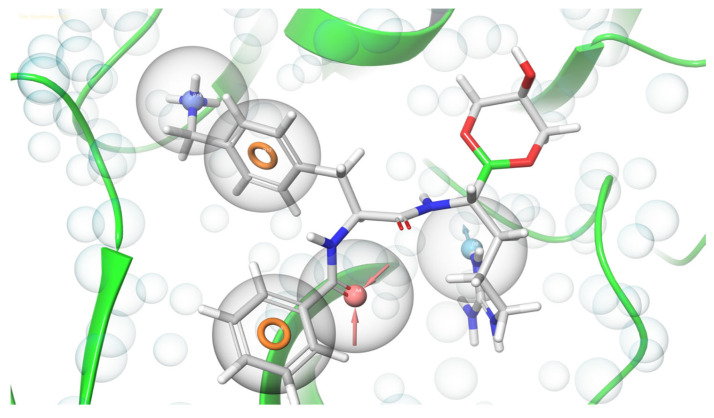
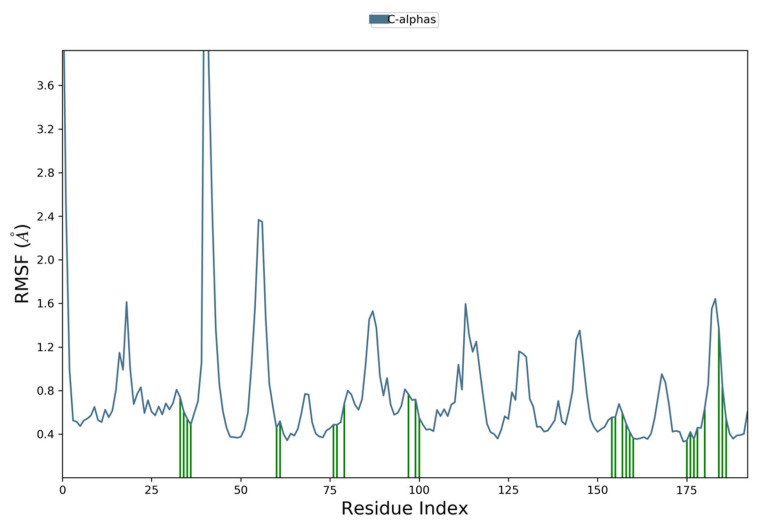
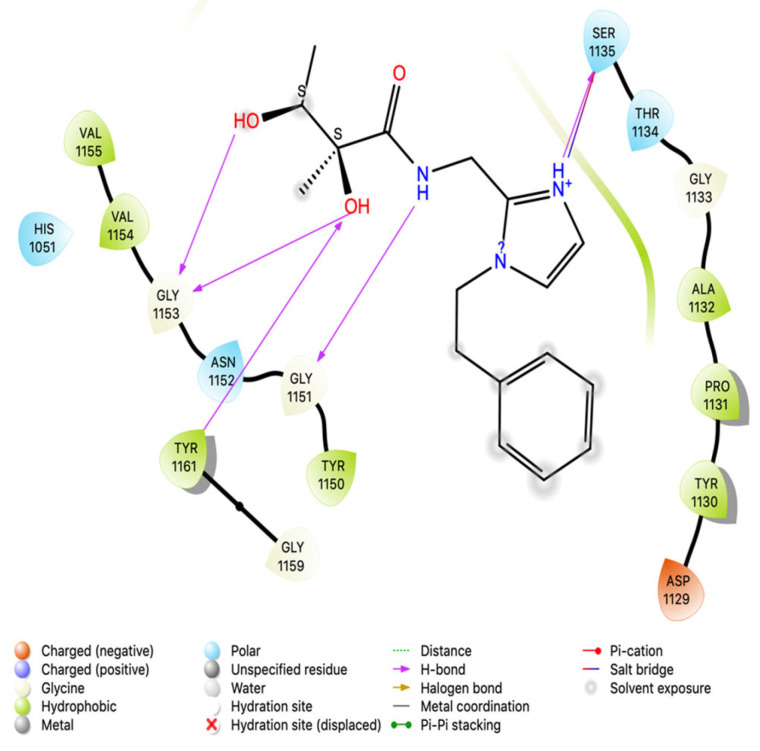
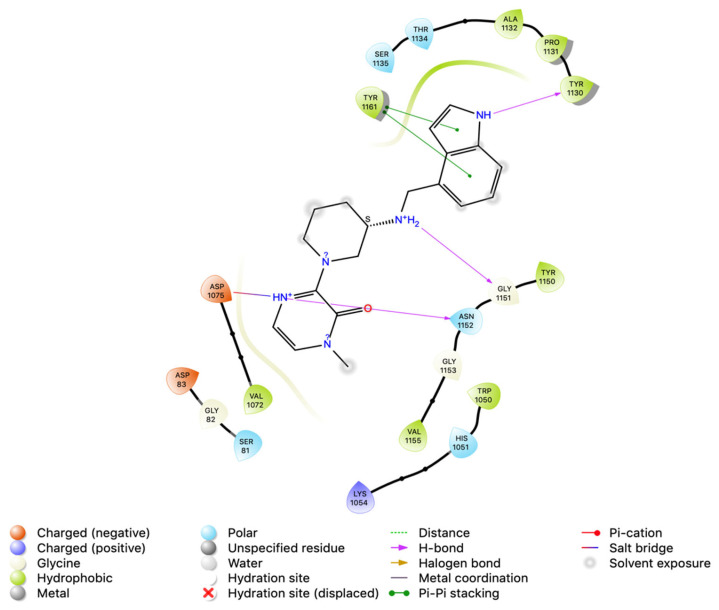
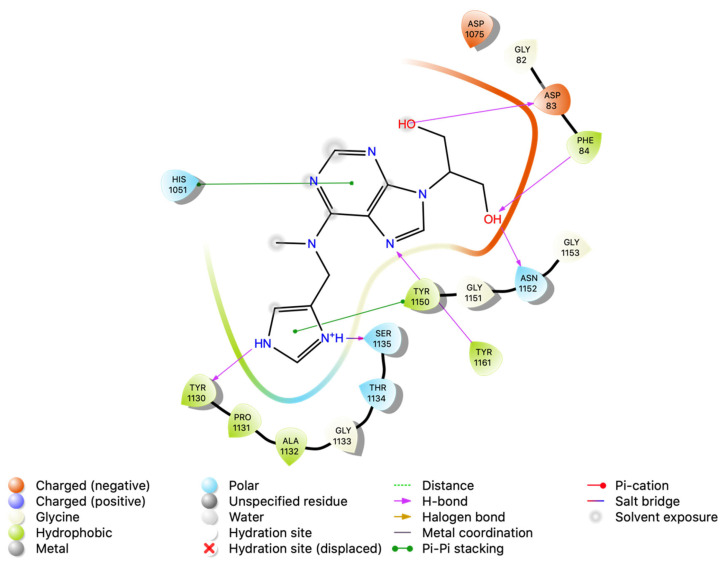
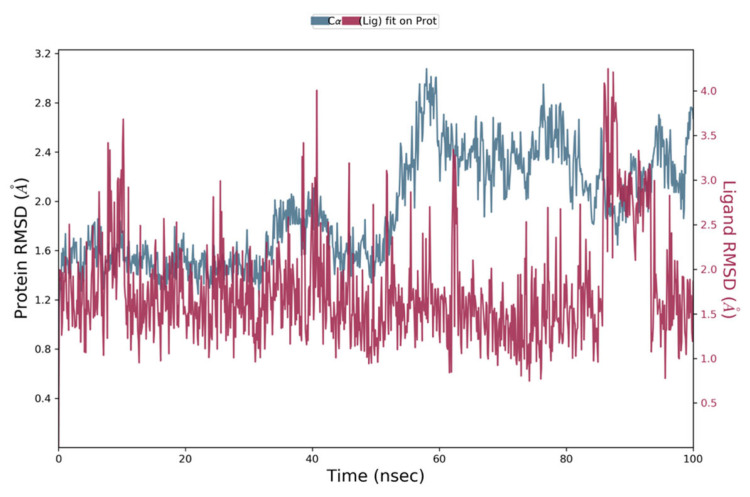
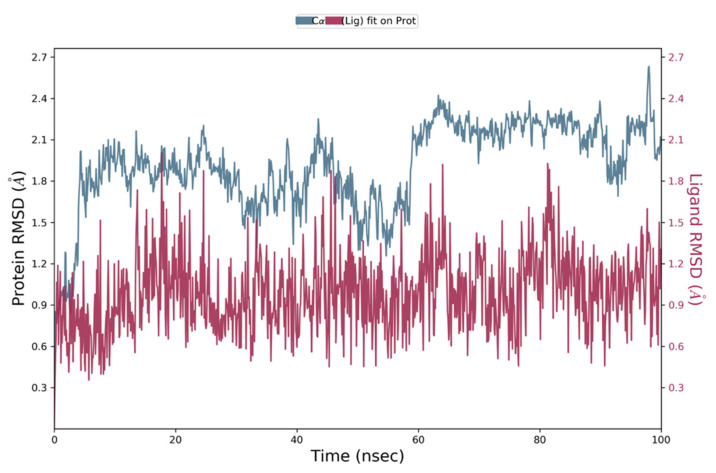
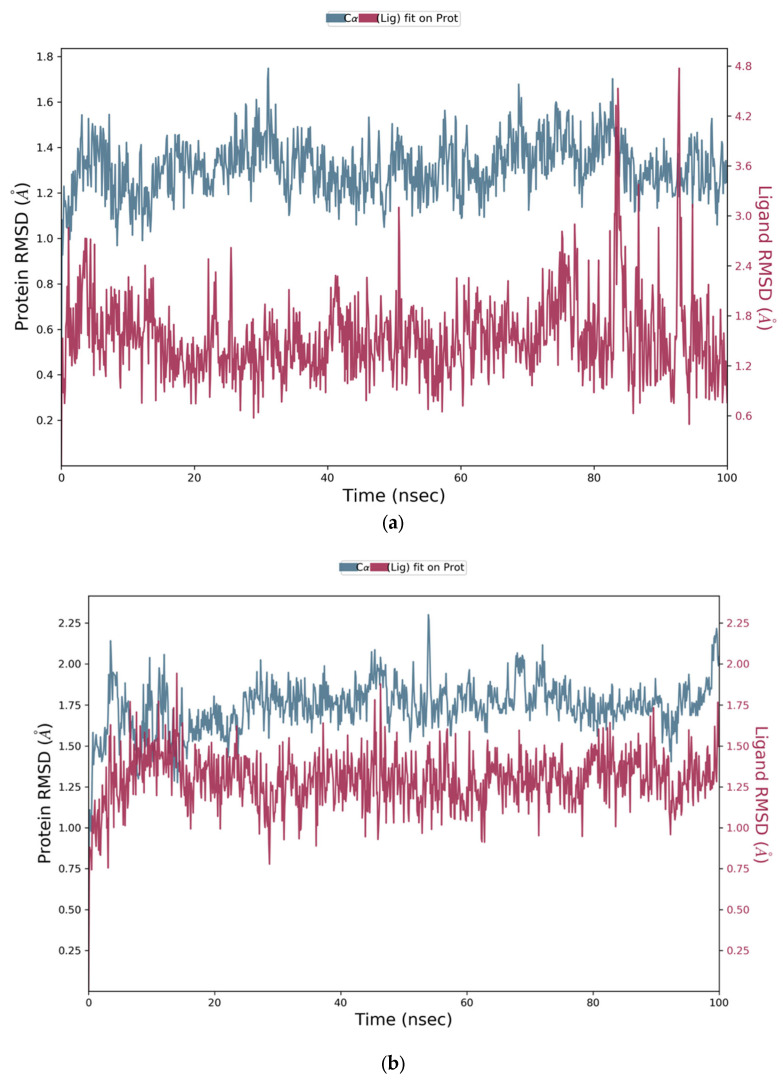
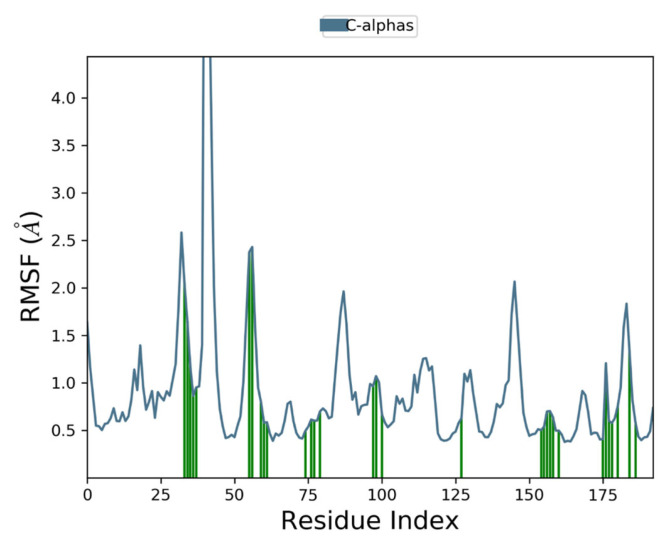
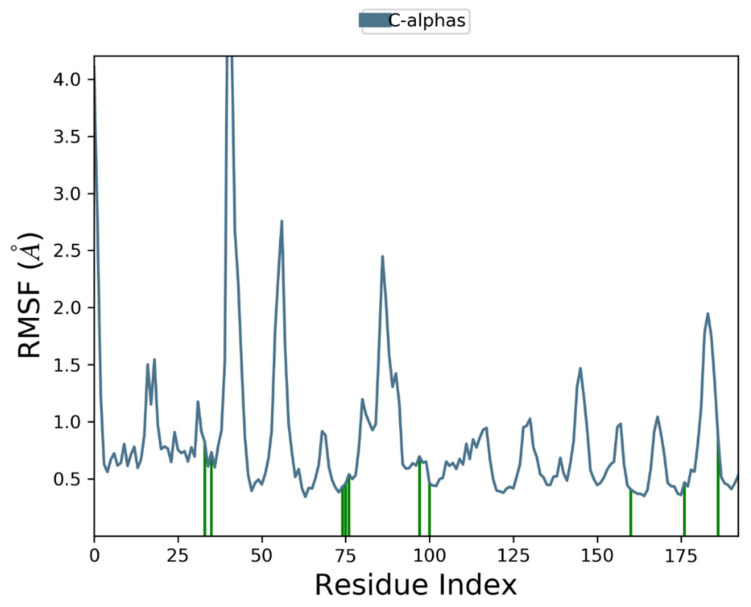
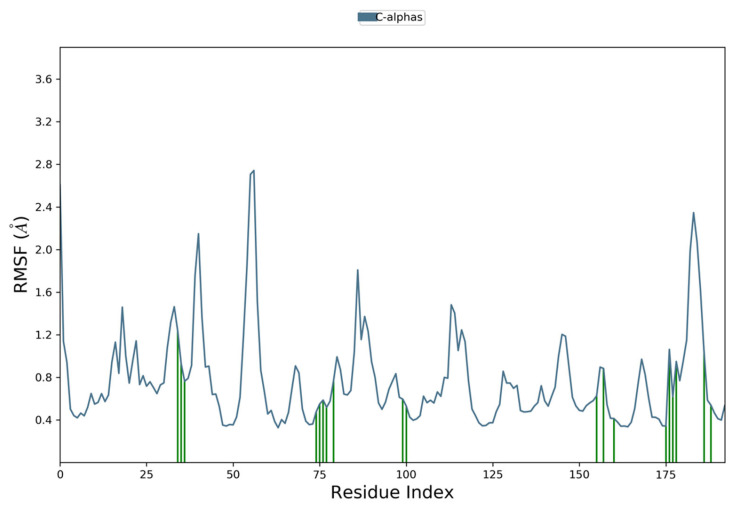
Zika virus (ZIKV) pandemic and its implication in congenital malformations and severe neurological disorders had created serious threats to global health. ZIKV is a mosquito-borne flavivirus which spread rapidly and infect a large number of people in a shorter time-span. Due to the lack of effective therapeutics, this had become paramount urgency to discover effective drug molecules to encounter the viral infection. Various anti-ZIKV drug discovery efforts during the past several years had been unsuccessful to develop an effective cure. The NS2B-NS3 protein was reported as an attractive therapeutic target for inhibiting viral proliferation, due to its central role in viral replication and maturation of non-structural viral proteins. Therefore, the current in silico drug exploration aimed to identify the novel inhibitors of Zika NS2B-NS3 protease by implementing an e-pharmacophore-based high-throughput virtual screening. A 3D e-pharmacophore model was generated based on the five-featured (ADPRR) pharmacophore hypothesis. Subsequently, the predicted model is further subjected to the high-throughput virtual screening to reveal top hit molecules from the various small molecule databases. Initial hits were examined in terms of binding free energies and ADME properties to identify the candidate hit exhibiting a favourable pharmacokinetic profile. Eventually, molecular dynamic (MD) simulations studies were conducted to evaluate the binding stability of the hit molecule inside the receptor cavity. The findings of the in silico analysis manifested affirmative evidence for three hit molecules with -64.28, -55.15 and -50.16 kcal/mol binding free energies, as potent inhibitors of Zika NS2B-NS3 protease. Hence, these molecules holds the promising potential to serve as a prospective candidates to design effective drugs against ZIKV and related viral infections.
寨卡病毒(ZIKV)大流行及其对先天性畸形和严重神经疾病的影响对全球健康构成了严重威胁。寨卡病毒是一种通过蚊子传播的黄病毒,它传播迅速,能在较短时间内感染大量人群。由于缺乏有效的治疗方法,发现有效的药物分子来对抗病毒感染已成为当务之急。在过去几年中,各种抗寨卡病毒药物研发工作都未能成功开发出有效的治疗方法。据报道,NS2B - NS3蛋白因其在病毒复制和非结构病毒蛋白成熟中的核心作用,是抑制病毒增殖的一个有吸引力的治疗靶点。因此,当前的计算机辅助药物探索旨在通过基于电子药效团的高通量虚拟筛选来识别寨卡NS2B - NS3蛋白酶的新型抑制剂。基于五特征(ADPRR)药效团假说生成了一个3D电子药效团模型。随后,将预测模型进一步进行高通量虚拟筛选,以从各种小分子数据库中筛选出最佳命中分子。根据结合自由能和药物代谢动力学性质对初步命中的分子进行检查,以识别具有良好药代动力学特征的候选命中分子。最终,进行分子动力学(MD)模拟研究,以评估命中分子在受体腔内的结合稳定性。计算机分析的结果表明,有三个命中分子的结合自由能分别为-64.28、-55.15和-50.16 kcal/mol,作为寨卡NS2B - NS3蛋白酶的有效抑制剂有确凿证据。因此,这些分子有潜力作为设计抗寨卡病毒及相关病毒感染有效药物的潜在候选物。