Stockholm Environment Institute, Stockholm, Sweden
Lancaster Environment Centre, Lancaster University, Lancaster, UK.
BMJ Glob Health. 2023 Jan;8(1). doi: 10.1136/bmjgh-2022-010850.
Poor access to water, sanitation and hygiene (WASH) services threatens population health and contributes to gender and social inequalities, especially in low-resource settings. Despite awareness in the WASH sector of the importance of promoting gender equality and social inclusion (GESI) to address these inequalities, evaluations of interventions focus largely on health outcomes, while gender equality and other social outcomes are rarely included. This review aimed to collate and describe available research evidence of GESI outcomes evaluated in WASH intervention studies.
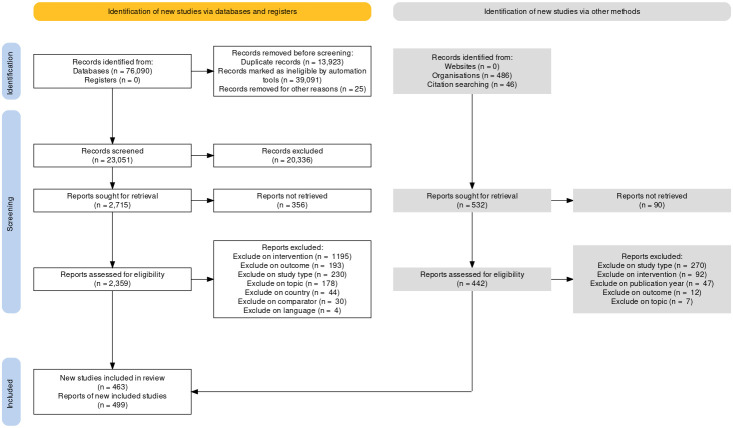
We applied a systematic mapping methodology and searched for both academic and grey literature published between 2010 and 2020 in 16 bibliographic databases and 53 specialist websites. Eligibility screening (with consistency checking) was conducted according to predetermined criteria, followed by metadata coding and narrative synthesis.
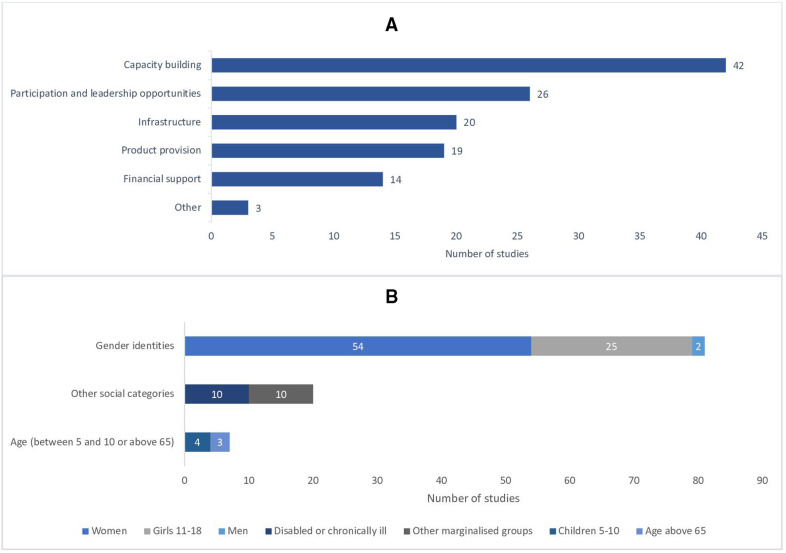
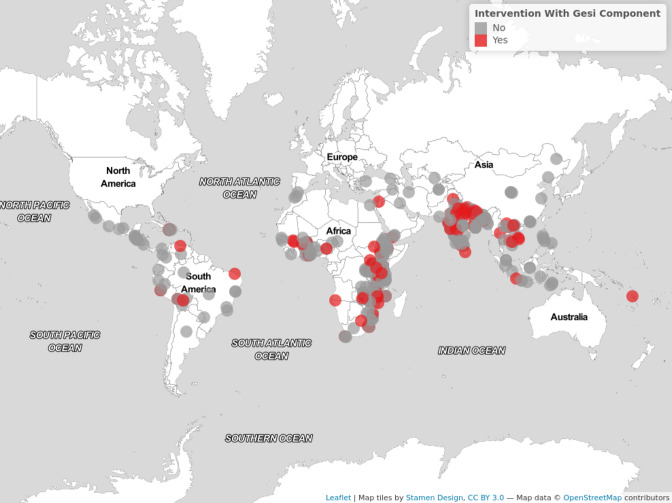
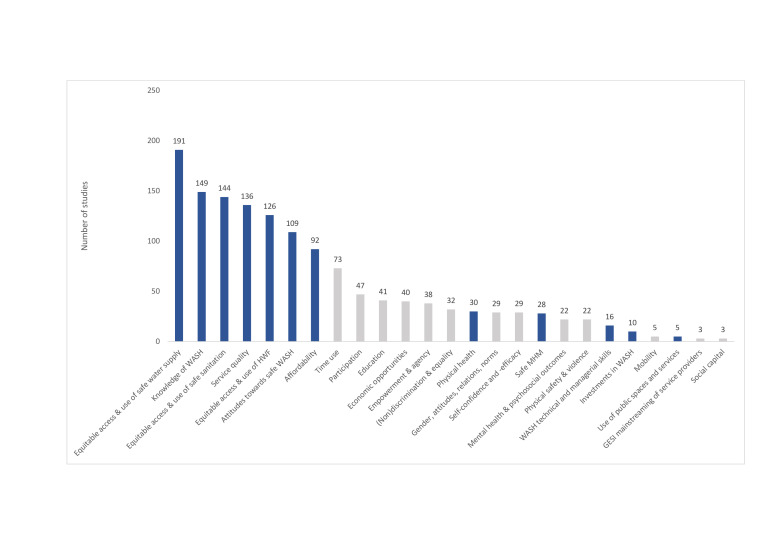
Our evidence base comprises 463 intervention studies. Only 42% of studies measured transformative GESI outcomes of WASH interventions, referring to those that seek to transform gender relations and power imbalances to promote equality. A majority of studies disaggregated outcome data by sex, but other forms of data disaggregation were limited. Most included studies (78%) lacked a specific GESI mainstreaming component in their intervention design. Of the interventions with GESI mainstreaming, the majority targeted women and girls, with very few focused on other social groups or intersectional considerations.
The review points to various areas for future primary and secondary research. Given the potential contribution of WASH to GESI, GESI considerations should be incorporated into the evaluation of WASH interventions. Regular collection of data and monitoring of GESI outcomes is needed as well as developing new and testing existing methods for monitoring and evaluation of such data.
获取水、环境卫生和个人卫生(WASH)服务的机会有限,这威胁到人口健康,并导致性别和社会不平等,特别是在资源匮乏的环境中。尽管 WASH 部门已经意识到促进性别平等和社会包容(GESI)对于解决这些不平等问题的重要性,但对干预措施的评估主要集中在健康结果上,而性别平等和其他社会结果很少被包括在内。本综述旨在收集和描述 WASH 干预研究中评估的 GESI 结果的现有研究证据。
我们采用了系统映射方法,在 16 个文献数据库和 53 个专业网站上搜索了 2010 年至 2020 年期间发表的学术和灰色文献。根据预定标准进行了资格筛选(一致性检查),然后进行了元数据编码和叙述性综合。
我们的证据基础包括 463 项干预研究。只有 42%的研究测量了 WASH 干预的变革性 GESI 结果,这些结果指的是那些试图改变性别关系和权力失衡以促进平等的结果。大多数研究按性别对结果数据进行了分类,但其他形式的数据分类有限。大多数纳入的研究(78%)在其干预设计中没有特定的 GESI 主流化部分。在具有 GESI 主流化的干预中,大多数针对妇女和女孩,而很少关注其他社会群体或交叉考虑因素。
该综述指出了未来初级和二级研究的各个领域。鉴于 WASH 对 GESI 的潜在贡献,应将 GESI 考虑因素纳入 WASH 干预措施的评估中。需要定期收集数据并监测 GESI 结果,以及开发新的和测试现有的监测和评估此类数据的方法。