Burnett School of Biomedical Sciences, College of Medicine, University of Central Florida, Orlando, FL, United States of America.
AdventHealth Cancer Institute, Orlando, FL, United States of America.
PLoS One. 2023 Jan 25;18(1):e0280959. doi: 10.1371/journal.pone.0280959. eCollection 2023.
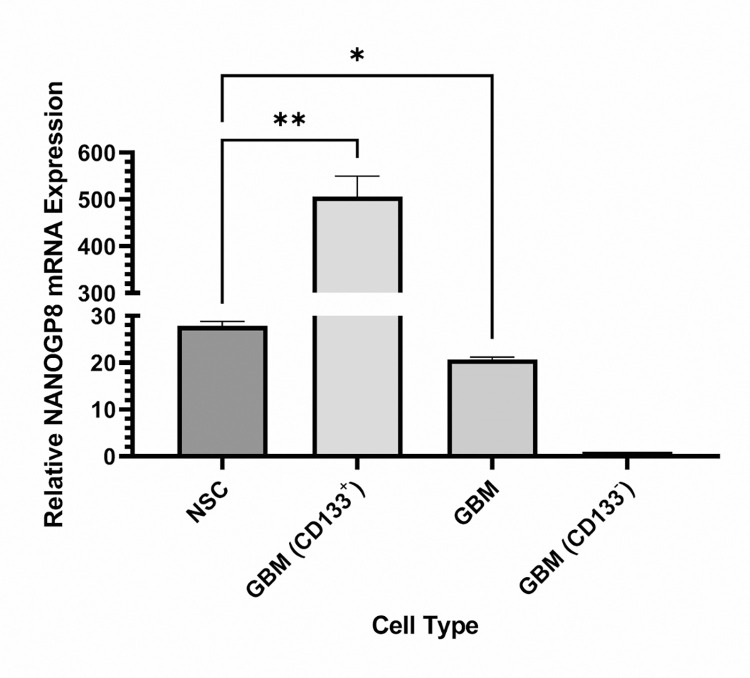
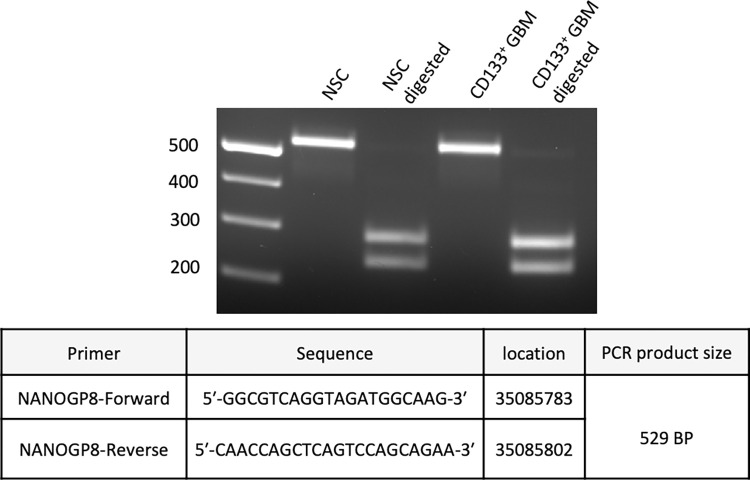
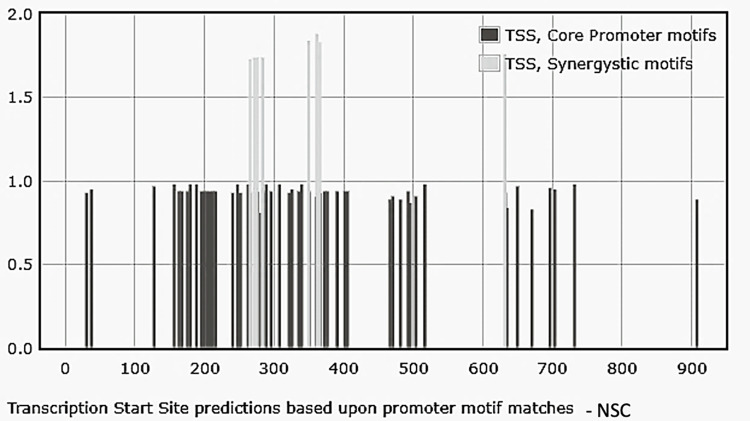
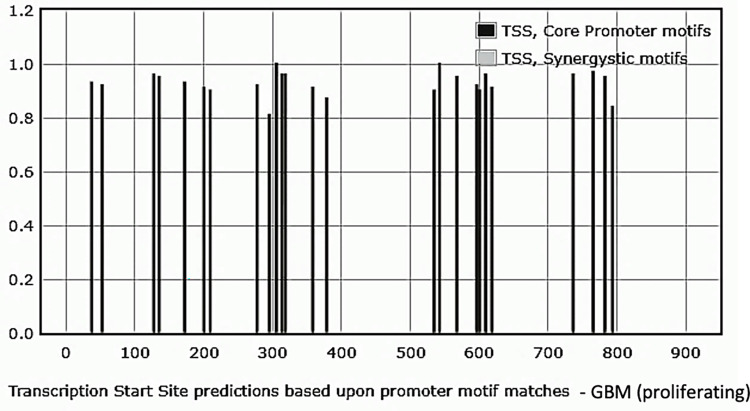
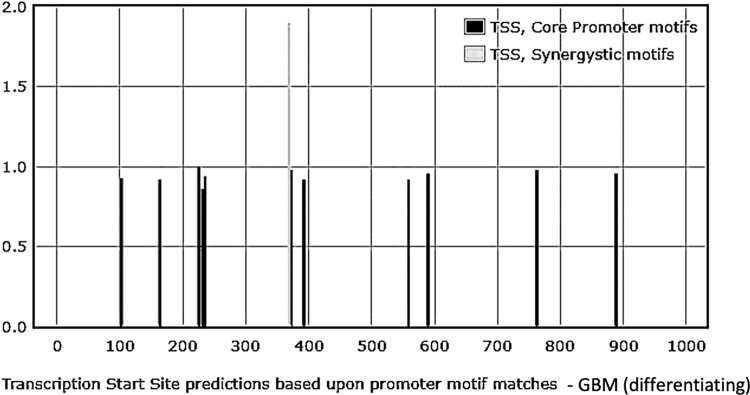
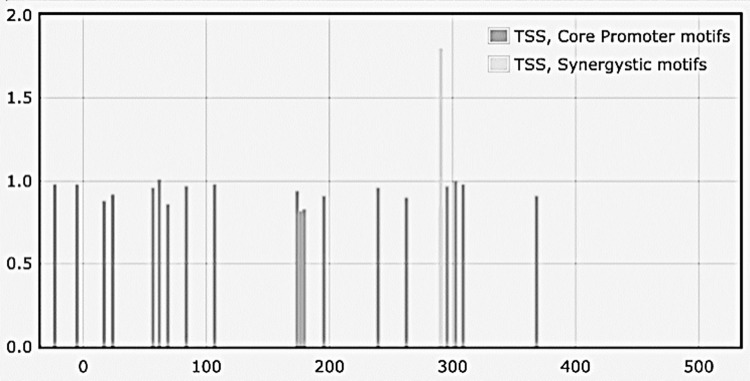
Exosomes participate in intercellular communication by transporting functionally active molecules. Such cargo from the original cells comprising proteins, micro-RNA, mRNA, single-stranded (ssDNA) and double-stranded DNA (dsDNA) molecules pleiotropically transforms the target cells. Although cancer cells secrete exosomes carrying a significant level of DNA capable of modulating oncogene expression in a recipient cell, the regulatory mechanism is unknown. We have previously reported that cancer cells produce exosomes containing NANOGP8 DNA. NANOGP8 is an oncogenic paralog of embryonic stem cell transcription factor NANOG and does not express in cells since it is a pseudogene. However, in this study, we evaluated NANOGP8 expression in glioblastoma multiforme (GBM) tissue from a surgically removed brain tumor of a patient. Significantly higher NANOGP8 transcription was observed in GBM cancer stem cells (CSCs) than in GBM cancer cells or neural stem cells (NSCs), despite identical sequences of NANOGP8-upstream genomic region in all the cell lines. This finding suggests that upstream genomic sequences of NANOGP8 may have environment-dependent promoter activity. We also found that the regulatory sequences upstream of exosomal NANOGP8 GBM DNA contain multiple core promoter elements, transcription factor binding sites, and segments of human viruses known for their oncogenic role. The exosomal sequence of NANOGP8-upstream GBM DNA is different from corresponding genomic sequences in CSCs, cancer cells, and NSCs as well as from the sequences reported by NCBI. These sequence dissimilarities suggest that exosomal NANOGP8 GBM DNA may not be a part of the genomic DNA. Exosomes possibly acquire this DNA from other sources where it is synthesized by an unknown mechanism. The significance of exosome-bestowed regulatory elements in the transcription of promoter-less retrogene such as NANOGP8 remains to be determined.
外泌体通过运输具有功能活性的分子参与细胞间通讯。这些来自原始细胞的货物包括蛋白质、微 RNA、mRNA、单链 (ssDNA) 和双链 DNA (dsDNA) 分子,多效性地转化靶细胞。尽管癌细胞分泌的外泌体携带大量能够调节受体细胞中癌基因表达的 DNA,但调控机制尚不清楚。我们之前曾报道过,癌细胞产生的外泌体含有 NANOGP8 DNA。NANOGP8 是胚胎干细胞转录因子 NANOG 的致癌基因,由于它是一个假基因,因此不会在细胞中表达。然而,在这项研究中,我们评估了来自患者手术切除的脑肿瘤的多形性胶质母细胞瘤 (GBM) 组织中的 NANOGP8 表达。尽管所有细胞系中 NANOGP8 上游基因组区域的序列相同,但在 GBM 癌症干细胞 (CSC) 中观察到的 NANOGP8 转录明显高于 GBM 癌细胞或神经干细胞 (NSC)。这一发现表明,NANOGP8 上游基因组序列可能具有依赖环境的启动子活性。我们还发现,外泌体 NANOGP8 GBM DNA 上游的调节序列包含多个核心启动子元件、转录因子结合位点以及已知具有致癌作用的人类病毒片段。NANOGP8 上游 GBM DNA 的外泌体序列与 CSC、癌细胞和 NSC 中的相应基因组序列以及 NCBI 报告的序列不同。这些序列差异表明,外泌体 NANOGP8 GBM DNA 可能不是基因组 DNA 的一部分。外泌体可能通过未知机制从其他来源获得这种 DNA。外泌体赋予这种无启动子的返基因(如 NANOGP8)转录的调节元件的意义仍有待确定。