Helmholtz Institute Ulm (HIU), Helmholtzstrassse 11, D-89081 Ulm, Germany.
Karlsruhe Institute of Technology, P.O. Box 3640, 76021 Karlsruhe, Germany.
Acc Chem Res. 2023 Feb 7;56(3):284-296. doi: 10.1021/acs.accounts.2c00690. Epub 2023 Jan 25.
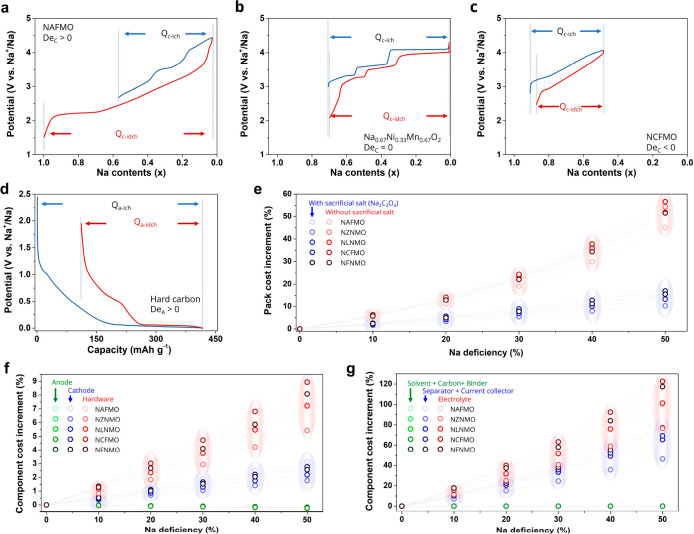
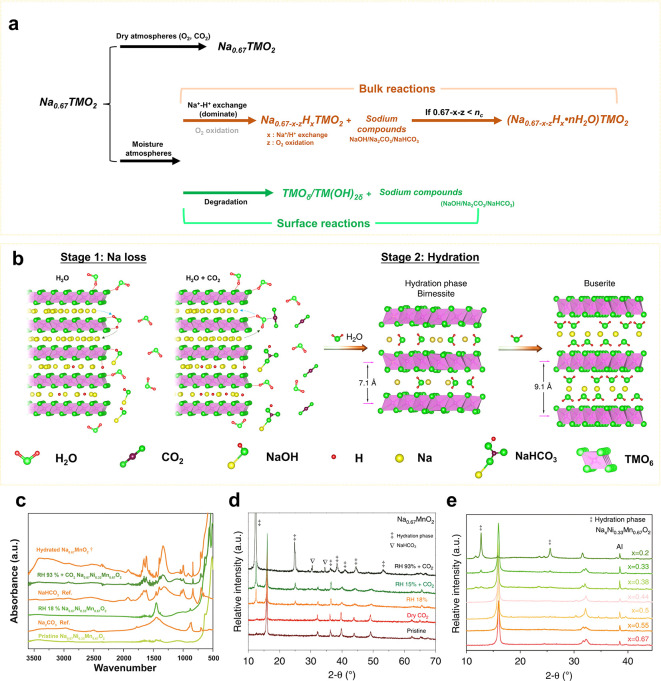
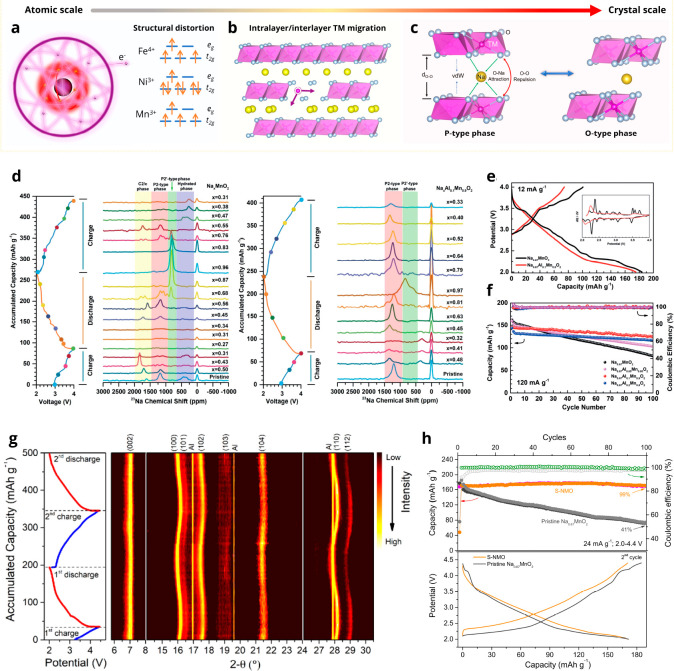
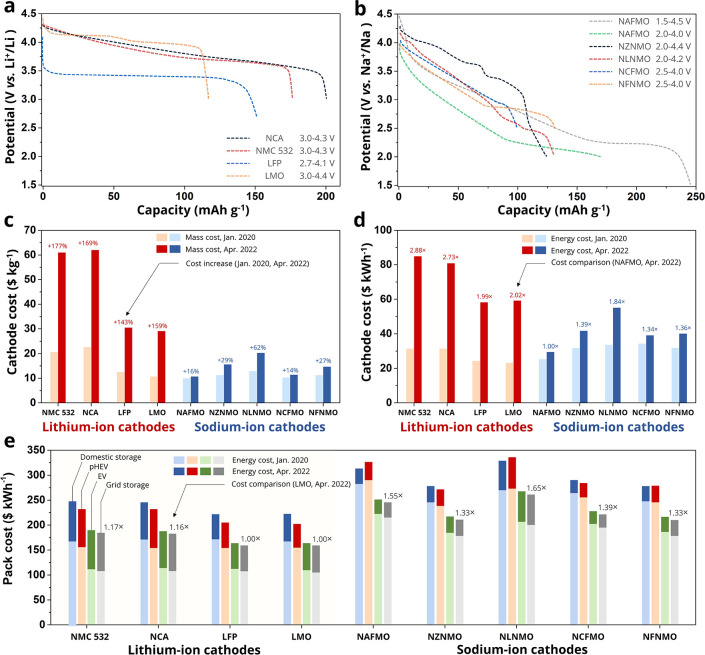
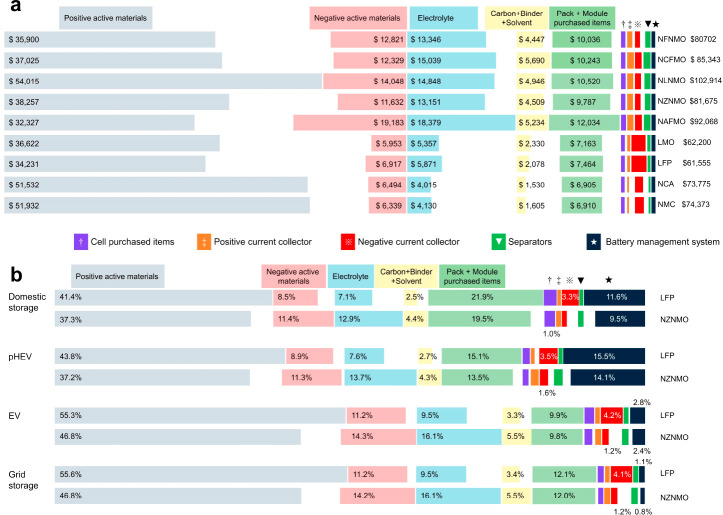
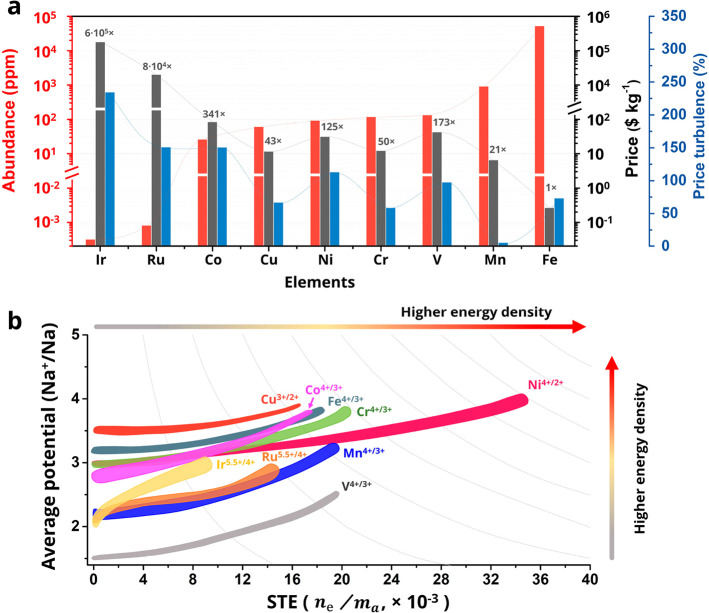
ConspectusLithium-ion batteries (LIBs) are ubiquitous in all modern portable electronic devices such as mobile phones and laptops as well as for powering hybrid electric vehicles and other large-scale devices. Sodium-ion batteries (NIBs), which possess a similar cell configuration and working mechanism, have already been proven as ideal alternatives for large-scale energy storage systems. The advantages of NIBs are as follows. First, sodium resources are abundantly distributed in the earth's crust. Second, high-performance NIB cathode materials can be fabricated by using solely inexpensive and noncritical transition metals such as manganese and iron, which further reduces the cost of the required raw materials. Recently, the unprecedented demand for lithium and other critical minerals has driven the cost of these primary raw materials (which are utilized in LIBs) to a historic high and thus triggered the commercialization of NIBs.Sodium layered transition metal oxides (NaTMO, TM = transition metal/s), such as Mn-based sodium layered oxides, represent an important family of cathode materials with the potential to reduce costs, increase energy density and cycling stability, and improve the safety of NIBs for large-scale energy storage. However, these layered oxides face several key challenges, including irreversible phase transformations during cycling, poor air stability, complex charge-compensation mechanisms, and relatively high cost of the full cell compared to LiFePO-based LIBs. Our work has focused on the techno-economic analysis, the degradation mechanism of NaTMO upon cycling and air exposure, and the development of effective strategies to improve their electrochemical performances and air stability. Correlating structure-performance relationships and establishing general design strategies of NaTMO must be considered for the commercialization of NIBs.In this Account, we discuss the recent progress in the development of air-stable, electrochemically stable, and cost-effective NaTMO. The favorable redox-active cations for NaTMO are emphasized in terms of abundance, cost, supply, and energy density. Different working mechanisms related to NaTMO are summarized, including the electrochemical reversibility, the main structural transformations during the charge and discharge processes, and the charge-compensation mechanisms that accompany the (de)intercalation of Na ions, followed by discussions to improve the stability toward ambient air and upon cycling. Then the techno-economics are presented, with an emphasis on cathodes with different chemical compositions, cost breakdown of battery packs, and Na deficiency, factors that are critical to the large-scale implementation. Finally, this Account concludes with an overview of the remaining challenges and new opportunities concerning the practical applications of NaTMO, with an emphasis on the cost, large-scale fabrication capability, and electrochemical performance.
锂离子电池(LIBs)在现代便携式电子设备中无处不在,例如手机和笔记本电脑,以及为混合动力电动汽车和其他大型设备提供动力。钠离子电池(NIBs)具有相似的电池结构和工作原理,已被证明是大型储能系统的理想替代品。NIBs 的优点如下。首先,钠资源在地壳中分布广泛。其次,仅使用廉价且非关键的过渡金属(如锰和铁)就可以制造高性能 NIB 阴极材料,从而进一步降低所需原材料的成本。最近,对锂和其他关键矿物的空前需求将这些主要原材料(用于 LIBs)的成本推至历史高位,从而推动了 NIBs 的商业化。钠层状过渡金属氧化物(NaTMO,TM = 过渡金属/ s),如基于锰的钠层状氧化物,是一类具有降低成本、提高能量密度和循环稳定性以及提高 NIBs 用于大型储能的安全性潜力的重要阴极材料。然而,这些层状氧化物面临几个关键挑战,包括循环过程中的不可逆相转变、较差的空气稳定性、复杂的电荷补偿机制以及与基于 LiFePO 的 LIB 相比,全电池的成本相对较高。我们的工作重点是对钠层状过渡金属氧化物的技术经济分析、循环和暴露于空气时的降解机制以及开发有效策略来改善其电化学性能和空气稳定性。关联结构-性能关系并建立 NaTMO 的通用设计策略对于 NIBs 的商业化至关重要。
在本报告中,我们讨论了开发稳定空气、电化学稳定且具有成本效益的 NaTMO 的最新进展。强调了对于 NaTMO 而言,有利的氧化还原活性阳离子在丰富度、成本、供应和能量密度方面的重要性。总结了与 NaTMO 相关的不同工作机制,包括充放电过程中的主要结构转变、伴随 Na 离子插层/脱插的电荷补偿机制,以及对环境空气和循环稳定性的讨论。然后介绍了技术经济,重点介绍了不同化学成分的阴极、电池组的成本分解以及钠缺乏,这些因素对大规模实施至关重要。最后,本报告概述了 NaTMO 实际应用中仍然存在的挑战和新机遇,重点介绍了成本、大规模制造能力和电化学性能。