School of Basic Medicine Science, Shanghai University of Traditional Chinese Medicine, Shanghai, China.
Shuguang Hospital Affiliated to Shanghai University of Traditional Chinese Medicine, Shanghai, China.
Cell Prolif. 2023 Jul;56(7):e13402. doi: 10.1111/cpr.13402. Epub 2023 Jan 25.
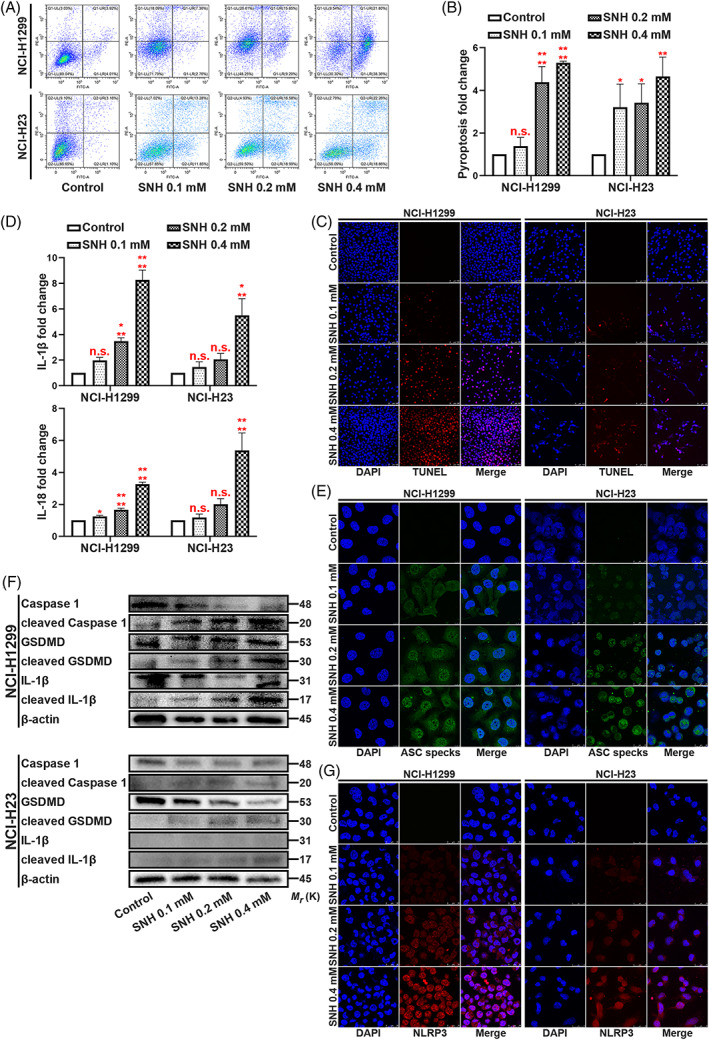
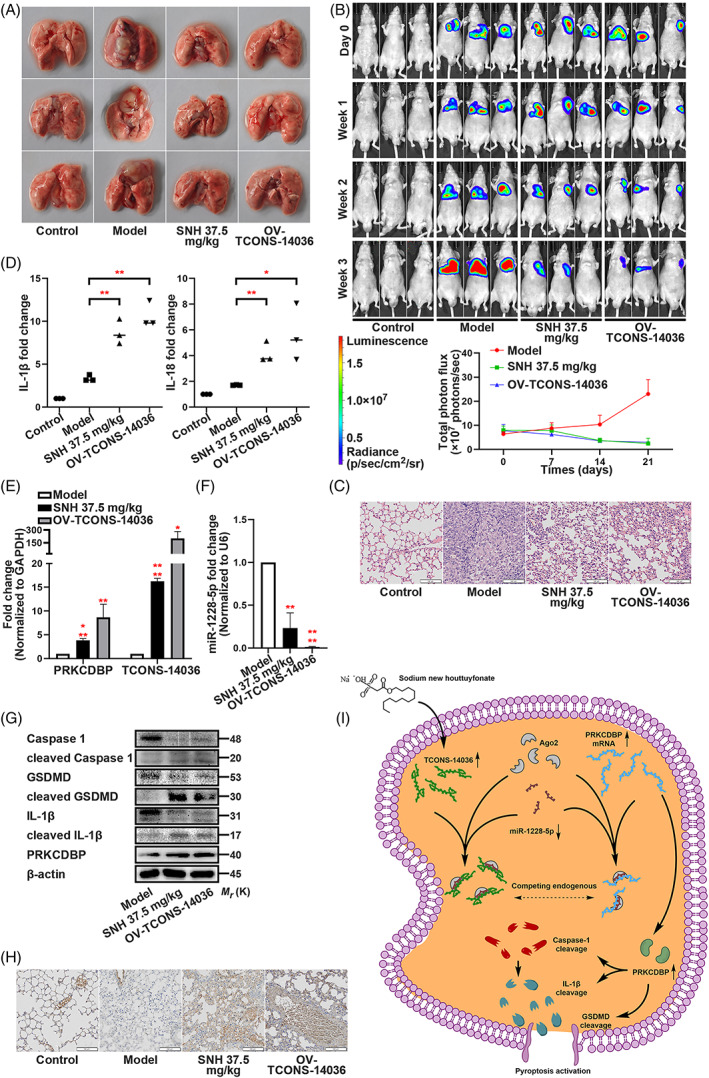
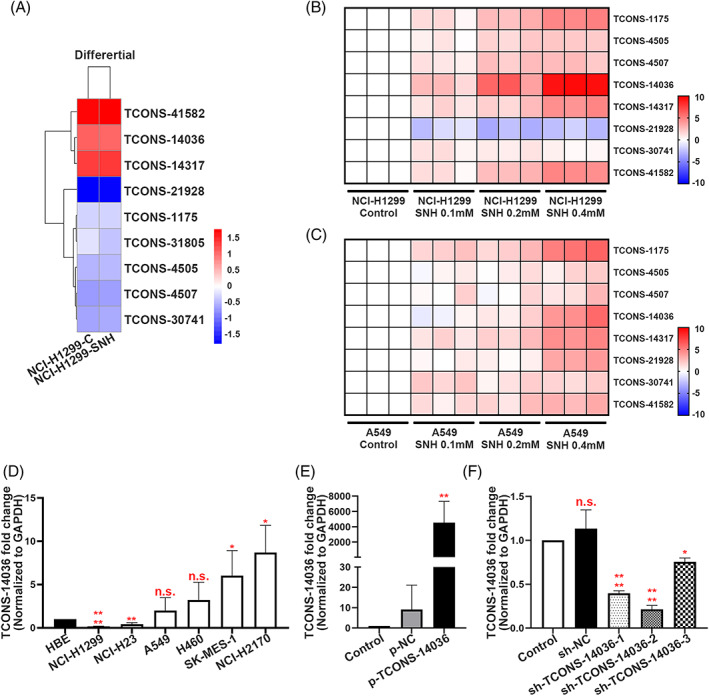
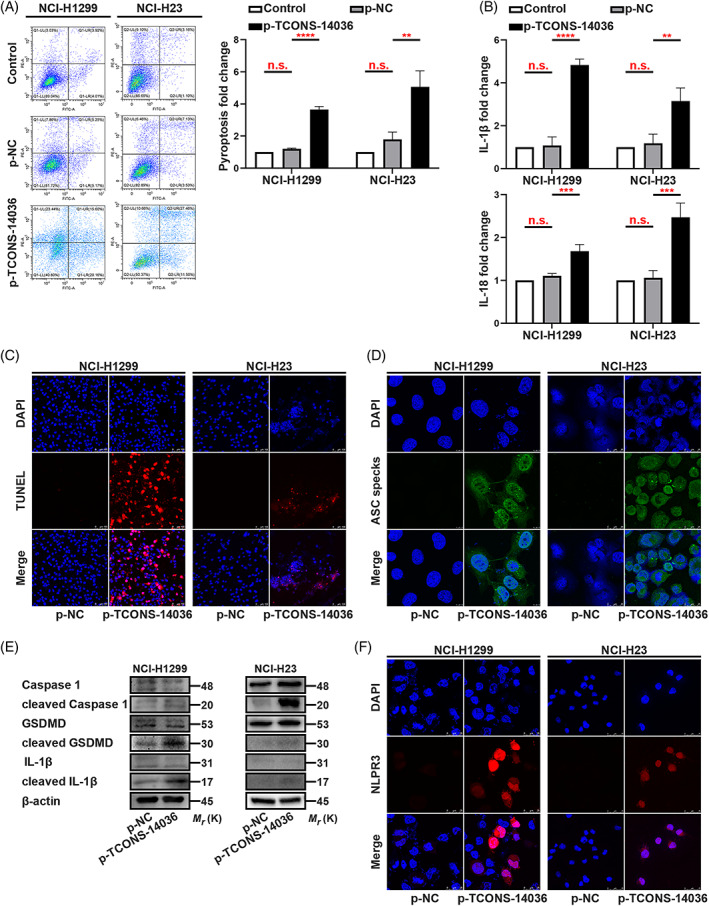
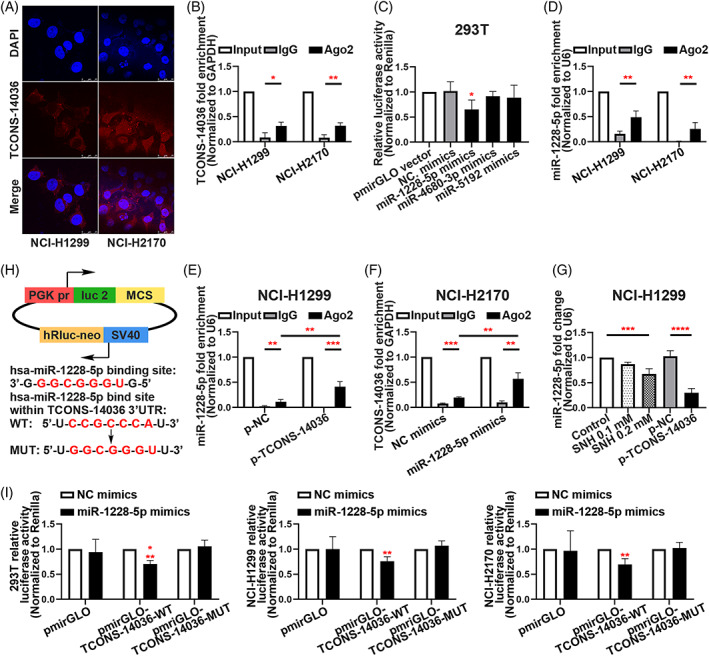
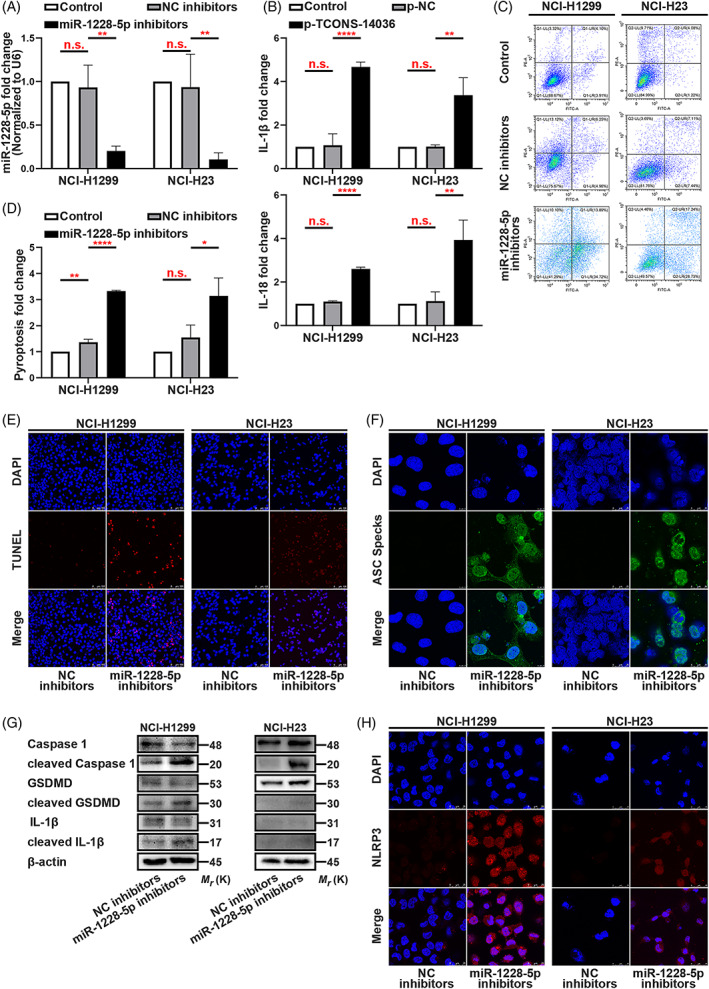
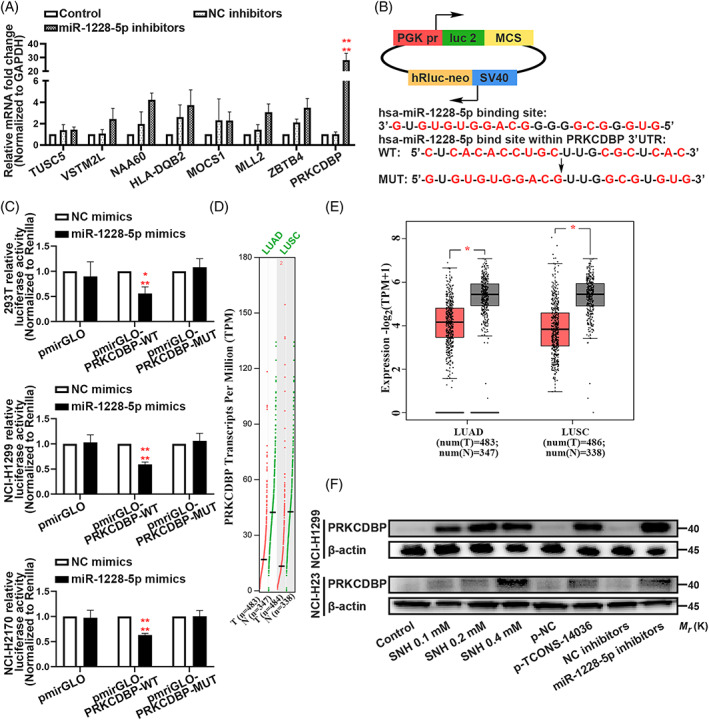
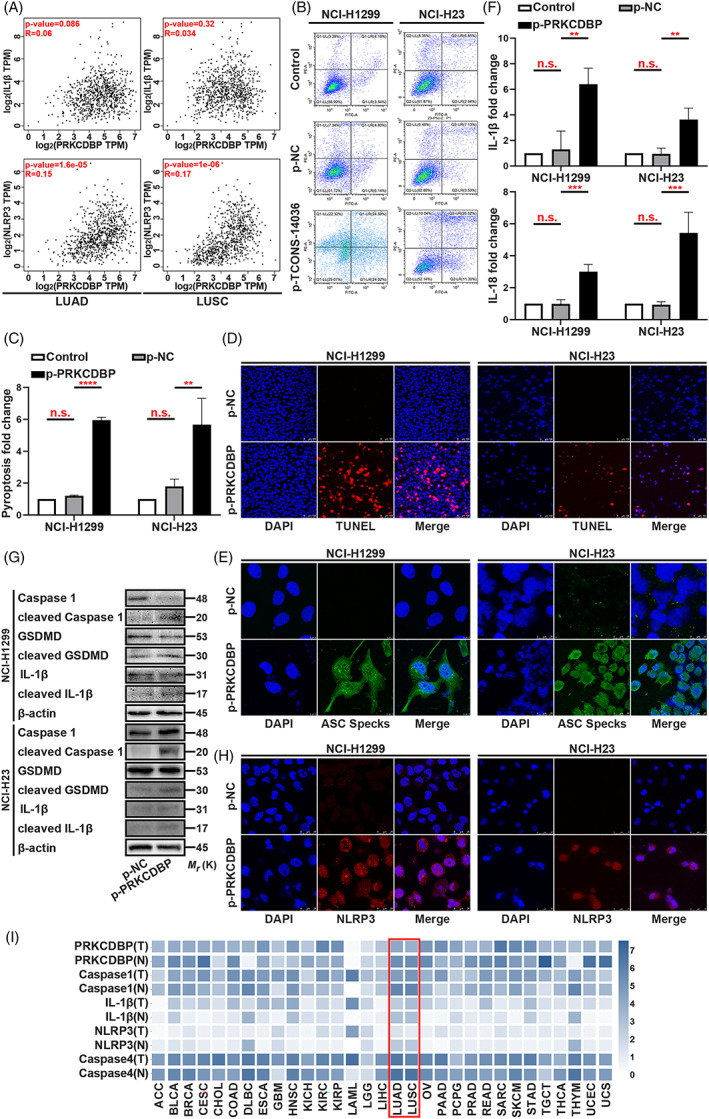
Several studies have suggested the potential value of Houttuynia cordata as a therapeutic agent in lung cancer, but direct evidence is still lacking. The study aimed to determine the regulatory impact of a major H. cordata constituent derivative (sodium new houttuyfonate [SNH]) on lncRNA networks in non-small cell lung cancer (NSCLC) to identify new potential therapeutic targets. After exposing NSCLC cells to SNH, we analysed the following: cell death (via flow cytometry, TUNEL and ASC speck formation assays), immune factors (via ELISA), gene transcription (via RT-qPCR), subcellular localisation (via FISH), gene-gene and gene-protein interactions (via dual-luciferase reporter and RNA immunoprecipitation assays, respectively) and protein expression and distribution (via western blotting and immunocytochemistry or immunohistochemistry). In addition, statistical analysis (via one-way ANOVA or unpaired t-tests) was performed. Exposure to SNH promoted NSCLC cell pyroptosis, concomitant with significant up-regulation of TCONS-14036, a novel lncRNA. Mechanistic research demonstrated that TCONS-14036 functions as a competing endogenous (ce)RNA by sequestering microRNA (miR)-1228-5p, thereby up-regulating PRKCDBP-encoding transcript levels. Indeed, PRKCDBP promoted pyroptosis by activating the NLRP3 inflammasome, resulting in CASP1, IL-1β and GSDMD cleavage. Our findings elucidate the potential molecular mechanisms underlying the ability of SNH to suppress NSCLC growth through activation of pyroptosis via the TCONS-14036/miR-1228-5p/PRKCDBP pathway. Thus, we identify a new potential therapeutic targets for NSCLC.
几项研究表明,鱼腥草作为一种治疗肺癌的潜在药物具有一定的价值,但目前仍缺乏直接证据。本研究旨在确定鱼腥草的主要成分衍生物(新鱼腥草素钠[SNH])对非小细胞肺癌(NSCLC)中长链非编码 RNA(lncRNA)网络的调控作用,以确定新的潜在治疗靶点。将 NSCLC 细胞暴露于 SNH 后,我们分析了以下内容:细胞死亡(通过流式细胞术、TUNEL 和 ASC 斑点形成检测)、免疫因子(通过 ELISA)、基因转录(通过 RT-qPCR)、亚细胞定位(通过 FISH)、基因-基因和基因-蛋白相互作用(分别通过双荧光素酶报告基因和 RNA 免疫沉淀检测)以及蛋白质表达和分布(通过 Western blot 和免疫细胞化学或免疫组化)。此外,还进行了统计分析(通过单因素方差分析或未配对 t 检验)。暴露于 SNH 可促进 NSCLC 细胞发生细胞焦亡,同时显著上调新型 lncRNA TCONS-14036。机制研究表明,TCONS-14036 通过与 microRNA(miR)-1228-5p 结合形成竞争性内源性(ce)RNA,从而上调 PRKCDBP 编码转录本的水平。事实上,PRKCDBP 通过激活 NLRP3 炎症小体促进细胞焦亡,导致 CASP1、IL-1β 和 GSDMD 切割。我们的研究结果阐明了 SNH 通过激活细胞焦亡抑制 NSCLC 生长的潜在分子机制,该作用是通过 TCONS-14036/miR-1228-5p/PRKCDBP 通路实现的。因此,我们确定了 NSCLC 的一个新的潜在治疗靶点。