Department of Psychological Science, University of Texas Rio Grande Valley, Edinburg, TX, 78539, USA.
Department of Psychology, University of Toledo, Toledo, OH, USA.
BMC Psychol. 2023 Jan 25;11(1):23. doi: 10.1186/s40359-023-01054-0.
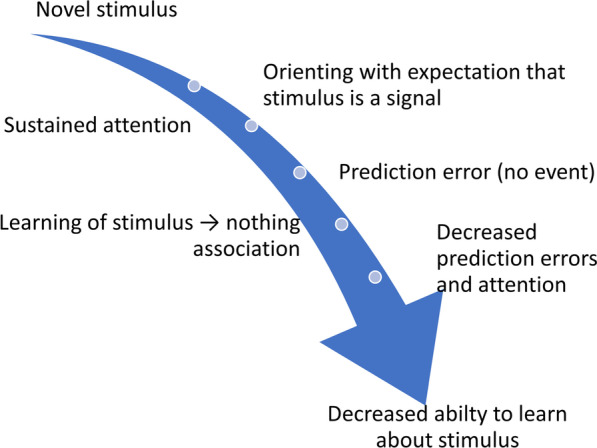
Evidence suggests that dental anxiety and phobia are frequently the result of direct associative fear conditioning but that pre-exposure to dental stimuli prior to conditioning results in latent inhibition of fear learning. The mechanisms underlying the pre-exposure effect in humans, however, are poorly understood. Moreover, pain sensitivity has been linked to dental fear conditioning in correlational investigations and theory suggests it may moderate the latent inhibition effect, but this hypothesis has not been directly tested. These gaps in our understanding are a barrier to the development of evidence-based dental phobia prevention efforts.
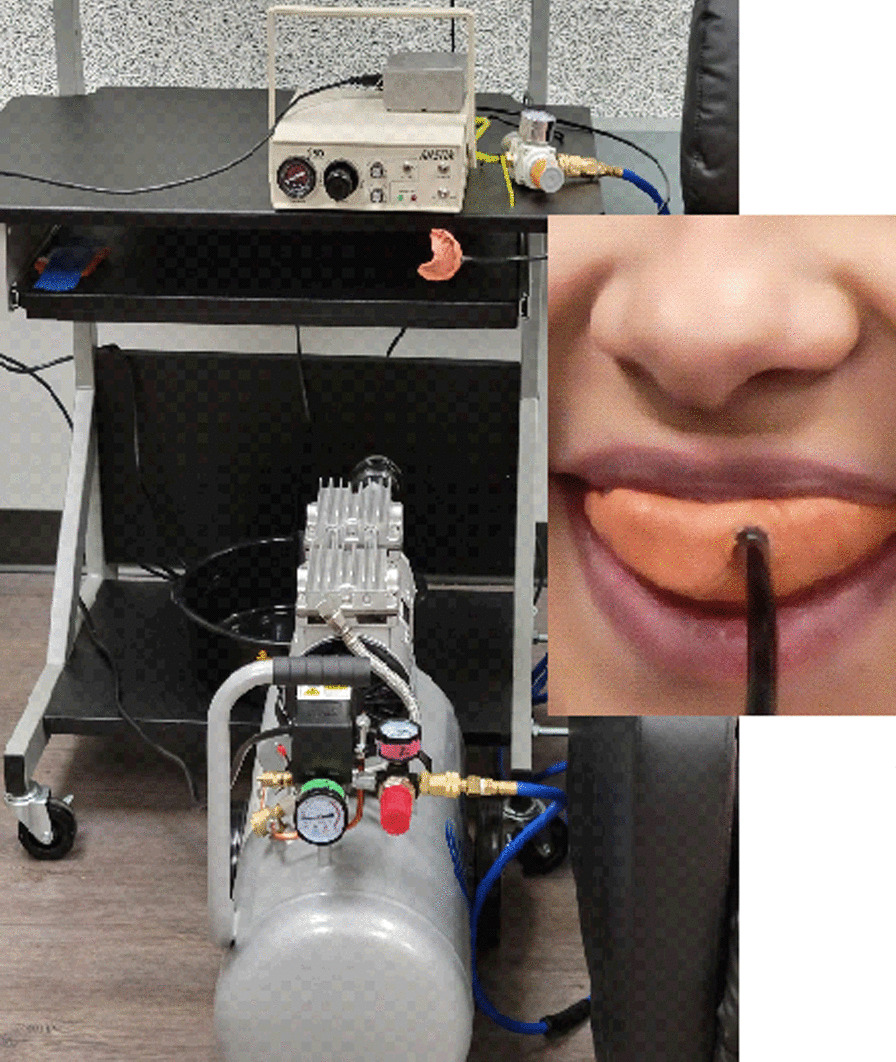
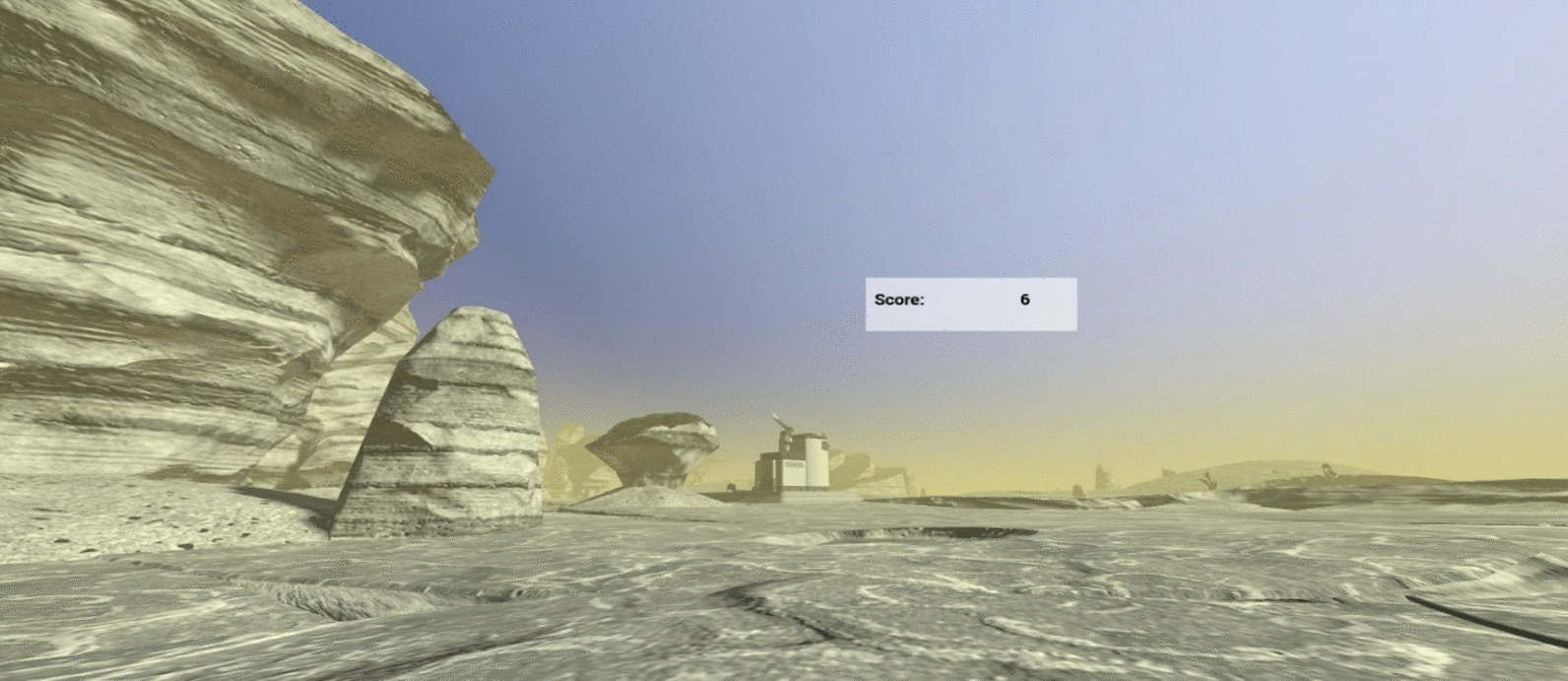
Healthy volunteers between the ages of 6 and 35 years will be enrolled across two sites. Participants will complete a conditioning task in a novel virtual reality environment, allowing for control over pre-exposure and the examination of behaviour. A dental startle (a brief, pressurized puff of air to a tooth) will serve as the unconditioned stimulus. Using a within-subjects experimental design, participants will experience a pre-exposed to-be conditioned stimulus, a non-pre-exposed to-be conditioned stimulus, and a neutral control stimulus. Two hypothesized mechanisms, changes in prediction errors and attention, are expected to mediate the association between stimulus condition and fear acquisition, recall, and retention. To ascertain the involvement of pain sensitivity, this construct will be measured through self-report and the cold pressor task.
Dental phobia negatively affects the dental health and overall health of individuals. This study aims to determine the mechanisms through which pre-exposure retards conditioned dental fear acquisition, recall, and retention. A randomized control trial will be used to identify these mechanisms so that they can be precisely targeted and maximally engaged in preventative efforts.
有证据表明,牙科焦虑症和恐惧症通常是直接关联恐惧条件作用的结果,但在条件作用之前预先接触牙科刺激会导致恐惧学习的潜伏抑制。然而,人类预先暴露效应的机制还知之甚少。此外,在相关研究中,疼痛敏感性与牙科恐惧条件作用有关,理论表明它可能调节潜伏抑制效应,但这一假设尚未得到直接检验。我们对这些机制的理解存在差距,这是制定基于证据的牙科恐惧症预防措施的障碍。
将在两个地点招募年龄在 6 至 35 岁之间的健康志愿者。参与者将在一个新的虚拟现实环境中完成一个条件作用任务,允许对预先暴露和行为进行控制。牙科惊跳(向牙齿短暂加压吹气)将作为非条件刺激。使用单被试实验设计,参与者将经历预先暴露的条件刺激、未预先暴露的条件刺激和中性控制刺激。预计两种假设机制,即预测误差和注意力的变化,将介导刺激条件与恐惧获得、回忆和保留之间的关联。为了确定疼痛敏感性的参与,将通过自我报告和冷加压任务来测量这一结构。
牙科恐惧症会对个人的牙齿健康和整体健康产生负面影响。本研究旨在确定预先暴露延缓条件性牙科恐惧获得、回忆和保留的机制。将使用随机对照试验来确定这些机制,以便可以精确地针对这些机制,并在预防措施中最大限度地利用这些机制。