Panzavolta Chiara, Zalunardo Beniamino, Irsara Sandro, Ferretto Luca, Visonà Adriana
Angiology Unit, Azienda ULSS 2 Marca Trevigiana, Castelfranco Veneto, I-31033 Treviso, Italy.
Department of Vascular Surgery, Azienda ULSS 1 Dolomiti, I-32100 Belluno, Italy.
Med Int (Lond). 2021 Sep 16;1(5):15. doi: 10.3892/mi.2021.15. eCollection 2021 Nov-Dec.
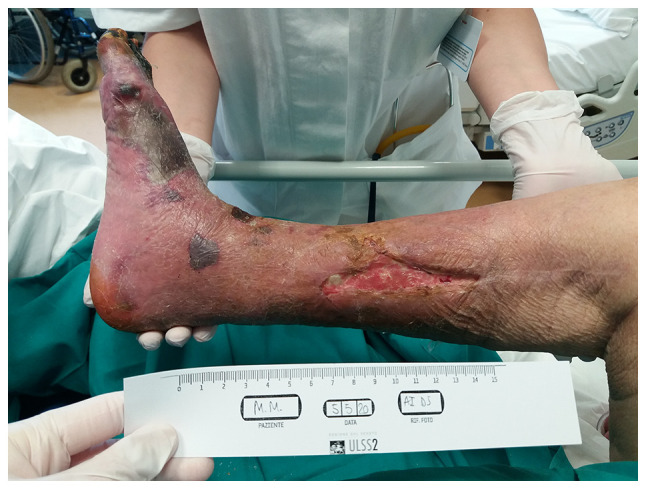
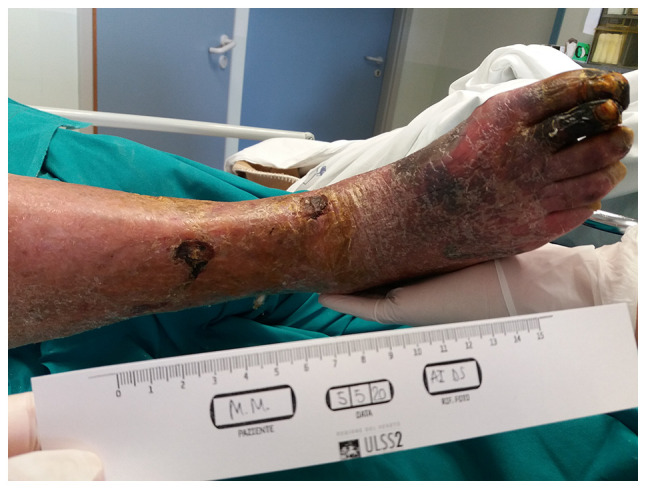
The recent coronavirus disease 2019 (COVID-19) pandemic has significantly increased the burden placed on healthcare systems worldwide. This health emergency has led to changes being implemented in the organization of health institutions and has shifted the focus on pandemic management. This has led to marked changes being made in the treatment of patients without COVID-19, and has resulted in more difficult access to healthcare, with ensuing delays in diagnosis and treatment. Vascular diseases, including peripheral artery disease (PAD), require prompt treatment in the majority of cases in order to save affected limbs. Moreover, COVID-19 may result in acute arterial and venous complications, which need to be promptly recognized and treated. The present study describes three paradigmatic clinical cases of hospitalized patients, which are representative of the different forms of the 'lost syndrome' caused by either the direct effect of COVID-19 or by the effects of COVID-19 on the healthcare system and lifestyle factors. Prophylaxis against arterial and venous thrombotic events is crucial in patients with COVID-19, particularly those with a marked inflammatory state. On the other hand, the COVID-19 pandemic has diminished the access to healthcare system for patients with other chronic pathologies, with potential severe consequences for vulnerable patient groups, such as those with PAD and cardiovascular diseases. For these patients, the authors' experience over the last few months suggests that more suitable measures need to be adopted to avoid additional severe consequences on public health. In addition, it is necessary to identify pathways that will allow these patients to have rapid access to treatment with marked improvements in outcome.
近期的2019冠状病毒病(COVID-19)大流行显著增加了全球医疗系统的负担。这一卫生突发事件导致卫生机构的组织方式发生了变化,并将重点转向了疫情管理。这使得非COVID-19患者的治疗发生了显著变化,导致获得医疗服务更加困难,进而造成诊断和治疗延误。包括外周动脉疾病(PAD)在内的血管疾病,在大多数情况下需要及时治疗以挽救受影响的肢体。此外,COVID-19可能导致急性动静脉并发症,需要及时识别和治疗。本研究描述了三例住院患者的典型临床病例,它们代表了由COVID-19的直接影响或COVID-19对医疗系统和生活方式因素的影响所导致的不同形式的“迷失综合征”。对COVID-19患者,尤其是那些炎症状态明显的患者,预防动静脉血栓形成事件至关重要。另一方面,COVID-19大流行减少了患有其他慢性疾病患者获得医疗系统服务的机会,这对诸如患有PAD和心血管疾病的弱势群体可能产生严重后果。对于这些患者,作者在过去几个月的经验表明,需要采取更合适的措施以避免对公众健康造成额外的严重后果。此外,有必要确定途径,使这些患者能够迅速获得治疗,并显著改善治疗结果。