
心率和血压不对称性评估在女性血管迷走性晕厥诊断中的应用
An assessment of heart rate and blood pressure asymmetry in the diagnosis of vasovagal syncope in females.
作者信息
Pawłowski Rafał, Zalewski Paweł, Newton Julia, Piątkowska Agnieszka, Koźluk Edward, Opolski Grzegorz, Buszko Katarzyna
机构信息
Department of Biostatistics and Biomedical Systems Theory, Collegium Medicum, Nicolaus Copernicus University, Bydgoszcz, Poland.
Department of Exercise Physiology and Functional Anatomy, Ludwik Rydygier Collegium Medicum in Bydgoszcz Nicolaus Copernicus University in Torun, Bydgoszcz, Poland.
出版信息
Front Physiol. 2023 Jan 9;13:1087837. doi: 10.3389/fphys.2022.1087837. eCollection 2022.
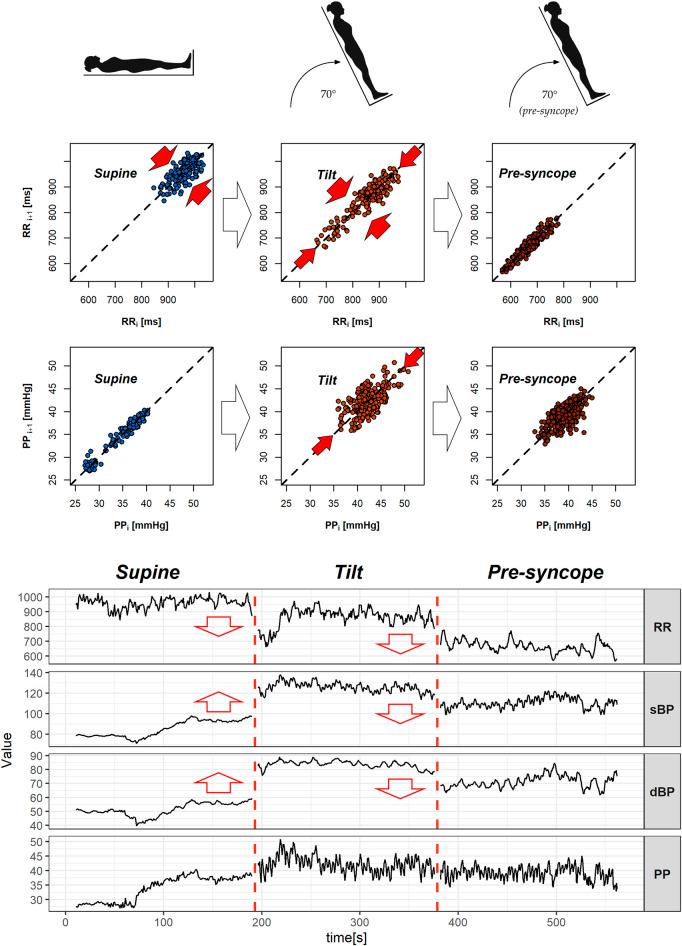
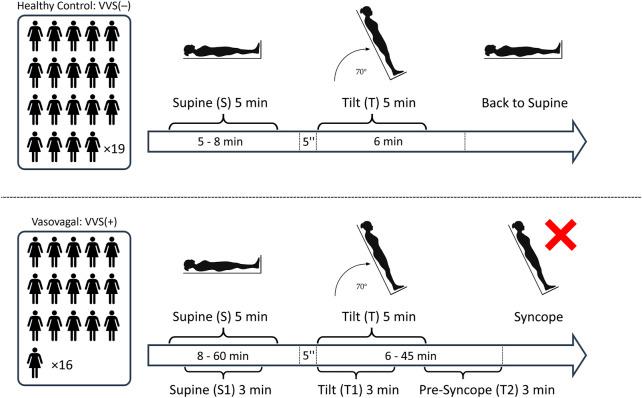
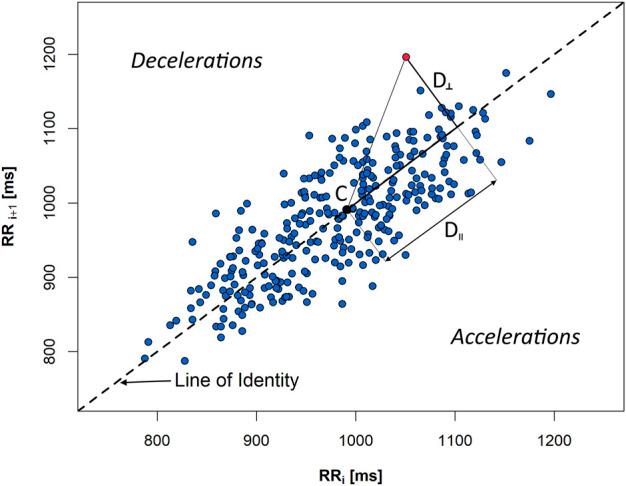
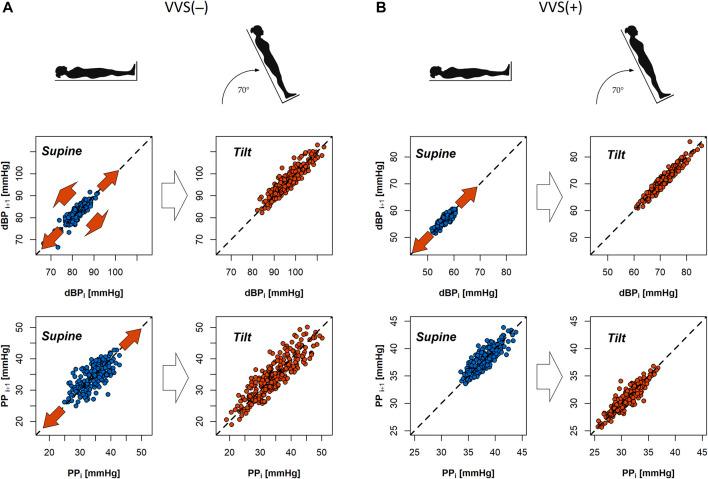
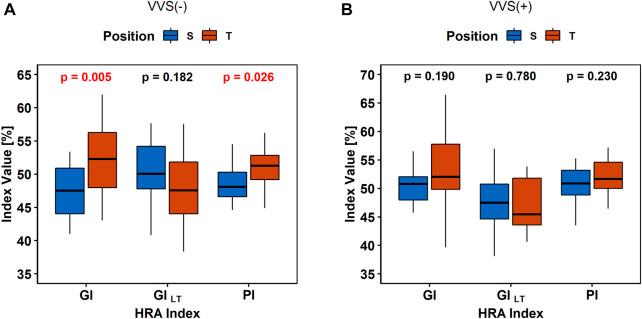
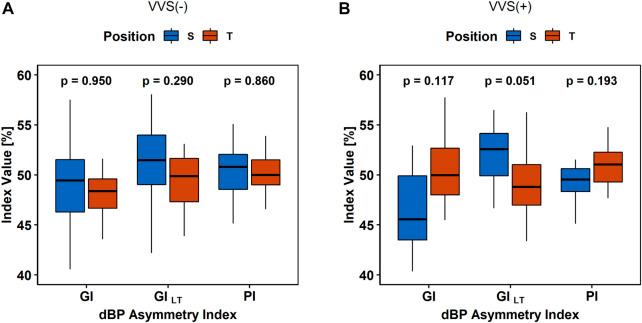
Heart Rate Asymmetry (HRA) describes a phenomenon of differences between accelerations and decelerations in human heart rate. Methods used for HRA assessment can be further implemented in the evaluation of asymmetry in blood pressure variations (Blood Pressure Asymmetry-BPA). We have analyzed retrospectively the series of heartbeat intervals extracted from ECG and beat-to-beat blood pressure signals from 16 vasovagal patients (age: 32.1 ± 13.3; BMI: 21.6 ± 3.8; all female) and 19 healthy subjects (age: 34.6 ± 7.6; BMI: 22.1 ± 3.4; all female) who have undergone tilt test (70°). Asymmetry was evaluated with Poincaré plot-based methods for 5 min recordings from supine and tilt stages of the test. The analyzed biosignals were heart rate (RR), diastolic (dBP) and systolic Blood Pressure (sBP) and Pulse Pressure (PP). In the paper we explored the differences between healthy and vasovagal women. The changes of HRA indicators between supine and tilt were observed only in the control group (Porta Index = 0.026 and Guzik Index = 0.005). No significant differences in beat-to-beat variability (i.e. spread of points across the line of identity in Poincaré plot-SD1) of dBP was noted between supine and tilt in the vasovagal group ( = 0.433 in comparison to = 0.014 in healthy females). Moreover, in vasovagal patients the PP was significantly different (supine: 41.47; tilt: 39.27 mmHg) comparing to healthy subjects (supine: 35.87; tilt: 33.50 mmHg) in supine ( = 0.019) and in tilt ( = 0.014). Analysis of HRA and BPA represents a promising method for the evaluation of cardiovascular response to orthostatic stressors, however currently it is difficult to determine a subject's underlying health condition based only on these parameters.
心率不对称性(HRA)描述了人体心率中加速和减速之间存在差异的一种现象。用于HRA评估的方法可进一步应用于血压变化不对称性(血压不对称性-BPA)的评估。我们回顾性分析了从16名血管迷走性晕厥患者(年龄:32.1±13.3;体重指数:21.6±3.8;均为女性)和19名健康受试者(年龄:34.6±7.6;体重指数:22.1±3.4;均为女性)的心电图中提取的一系列心跳间期以及逐搏血压信号,这些受试者均接受了倾斜试验(70°)。使用基于庞加莱图的方法对试验仰卧位和倾斜位阶段5分钟的记录进行不对称性评估。分析的生物信号包括心率(RR)、舒张压(dBP)、收缩压(sBP)和脉压(PP)。在本文中,我们探讨了健康女性和血管迷走性晕厥女性之间的差异。仅在对照组中观察到仰卧位和倾斜位之间HRA指标的变化(波尔塔指数=0.026,古齐克指数=0.005)。血管迷走性晕厥组仰卧位和倾斜位之间的dBP逐搏变异性(即庞加莱图中跨恒等线的点的离散度-SD1)没有显著差异(与健康女性的0.014相比为0.433)。此外,与健康受试者相比,血管迷走性晕厥患者在仰卧位(P=0.019)和倾斜位(P=0.014)时的脉压有显著差异(仰卧位:41.47;倾斜位:39.27mmHg,而健康受试者仰卧位:35.87;倾斜位:33.50mmHg)。HRA和BPA分析是评估心血管对直立应激源反应的一种有前景的方法,然而目前仅根据这些参数很难确定受试者的潜在健康状况。
 Zotero 插件