CAS Key Laboratory of Special Pathogens and Biosafety, Center for Emerging Infectious Diseases, Wuhan Institute of Virology, Center for Biosafety Mega-Science, Chinese Academy of Sciences, Wuhan, People's Republic of China.
The Joint Laboratory for Translational Precision Medicine, a. Guangzhou Women and Children's Medical Center, Guangzhou Medical University, Guangzhou, People's Republic of China and b. Wuhan Institute of Virology, Chinese Academy of Sciences, Wuhan, Hubei, People's Republic of China.
Emerg Microbes Infect. 2023 Dec;12(1):2174777. doi: 10.1080/22221751.2023.2174777.
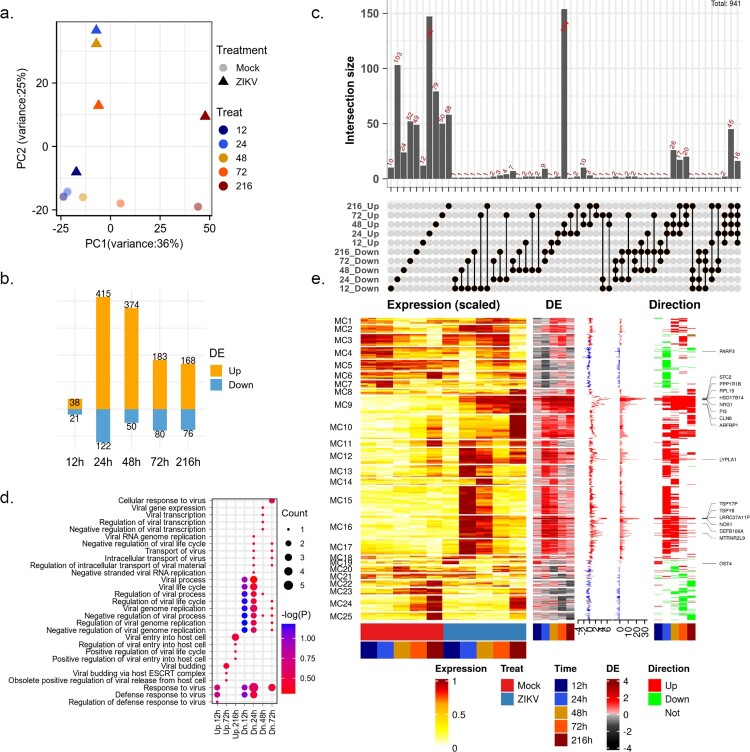
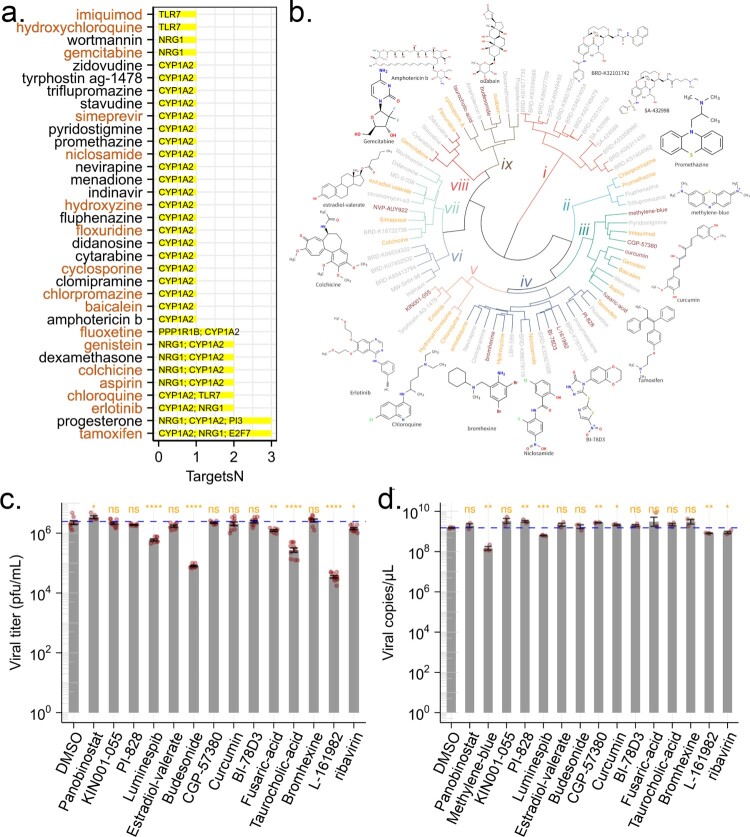
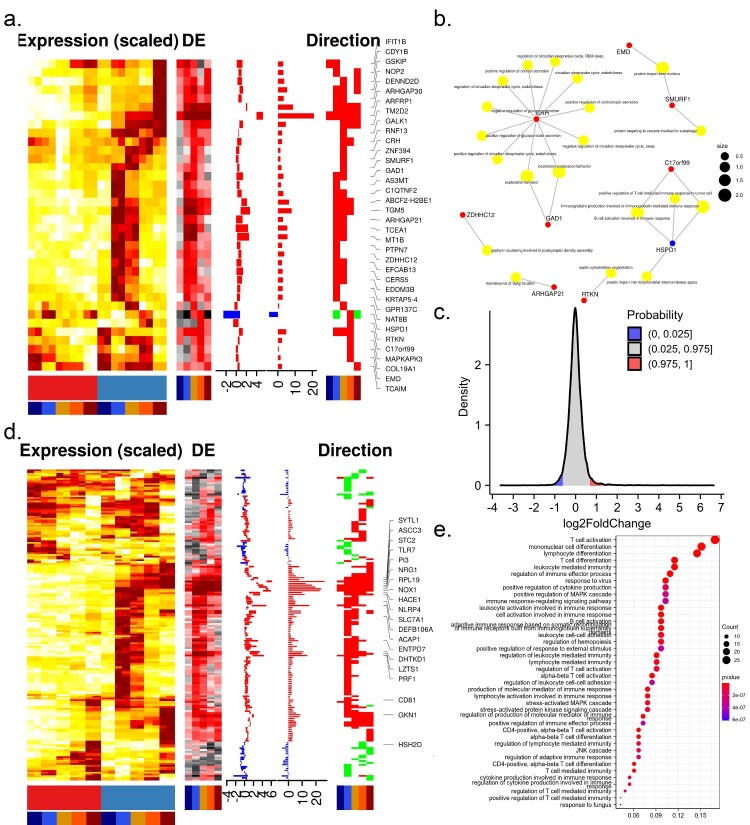
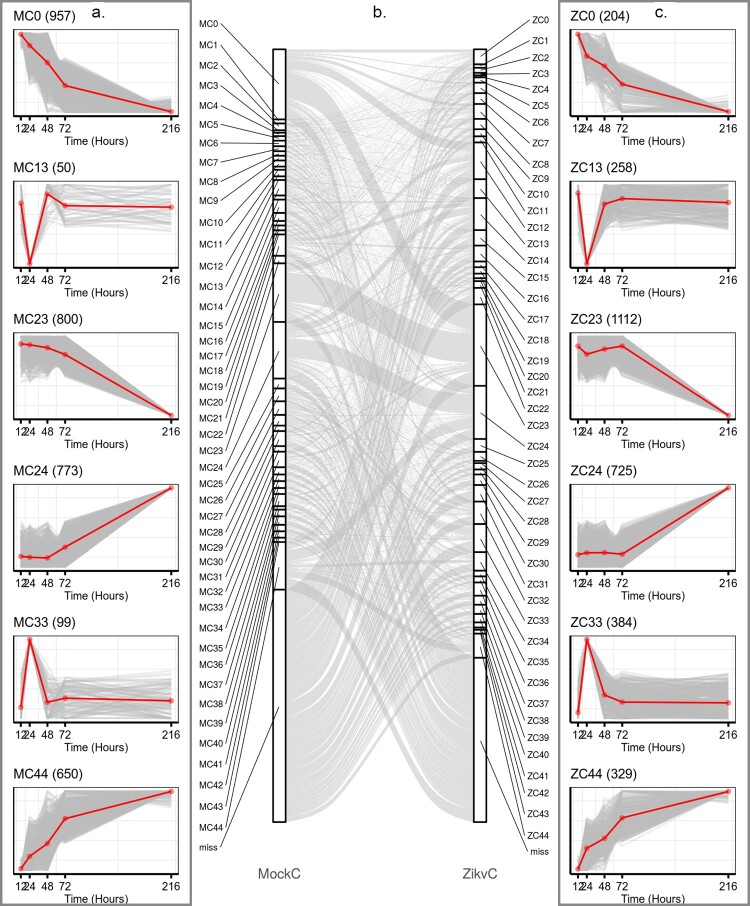
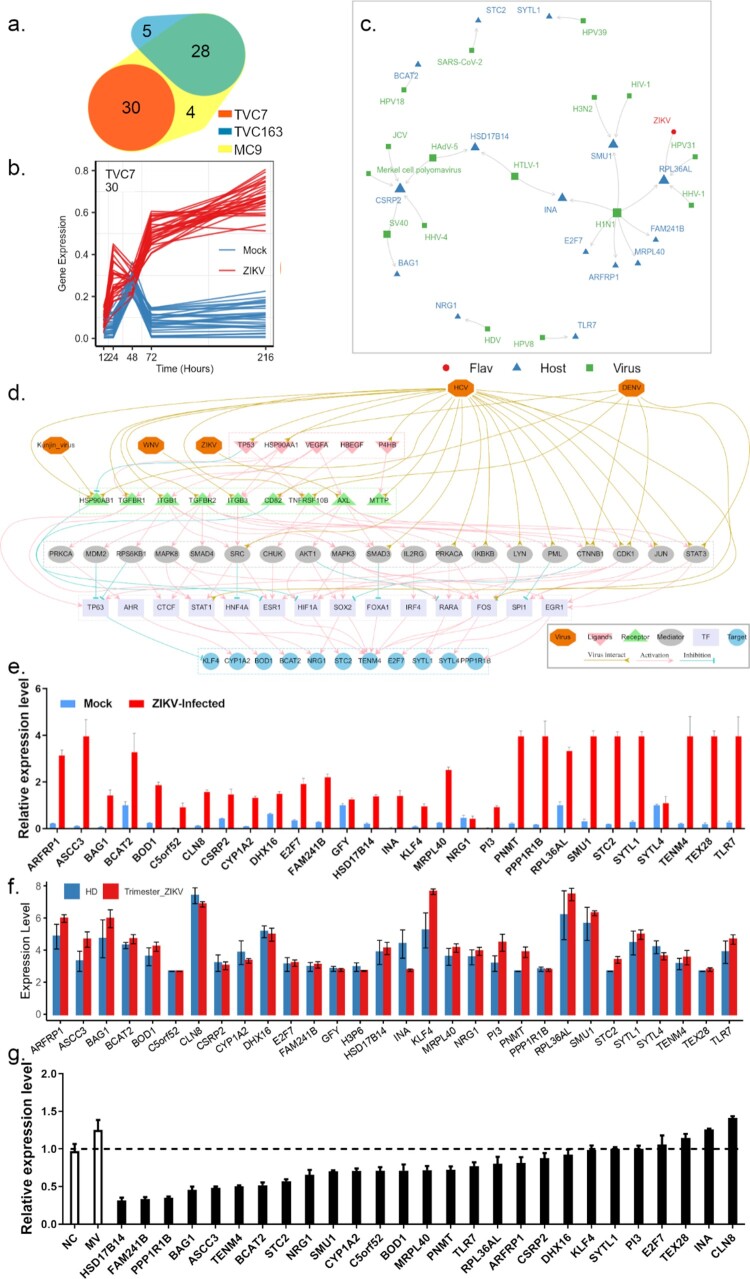
Zika virus (ZIKV) infections are typically asymptomatic but cause severe neurological complications (e.g. Guillain-Barré syndrome in adults, and microcephaly in newborns). There are currently no specific therapy or vaccine options available to prevent ZIKV infections. Temporal gene expression profiles of ZIKV-infected human brain microvascular endothelial cells (HBMECs) were used in this study to identify genes essential for viral replication. These genes were then used to identify novel anti-ZIKV agents and validated in publicly available data and functional wet-lab experiments. Here, we found that ZIKV effectively evaded activation of immune response-related genes and completely reprogrammed cellular transcriptional architectures. Knockdown of genes, which gradually upregulated during viral infection but showed distinct expression patterns between ZIKV- and mock infection, discovered novel proviral and antiviral factors. One-third of the 74 drugs found through signature-based drug repositioning and cross-reference with the Drug Gene Interaction Database (DGIdb) were known anti-ZIKV agents. In cellular assays, two promising antiviral candidates (Luminespib/NVP-AUY922, L-161982) were found to reduce viral replication without causing cell toxicity. Overall, our time-series transcriptome-based methods offer a novel and feasible strategy for antiviral drug discovery. Our strategies, which combine conventional and data-driven analysis, can be extended for other pathogens causing pandemics in the future.
寨卡病毒(ZIKV)感染通常无症状,但会引起严重的神经并发症(例如成人的格林-巴利综合征和新生儿的小头症)。目前尚无预防 ZIKV 感染的特定治疗方法或疫苗选择。本研究利用 ZIKV 感染的人脑血管内皮细胞(HBMEC)的时间基因表达谱来鉴定病毒复制所必需的基因。然后,这些基因被用于鉴定新的抗 ZIKV 药物,并在公开数据和功能湿实验室实验中进行验证。在这里,我们发现 ZIKV 有效地逃避了免疫反应相关基因的激活,并完全重新编程了细胞转录结构。在病毒感染过程中逐渐上调但在 ZIKV 和模拟感染之间表现出不同表达模式的基因的敲低发现了新的促病毒和抗病毒因子。通过基于特征的药物再定位和与药物基因相互作用数据库(DGIdb)的交叉引用发现的 74 种药物中有三分之一是已知的抗 ZIKV 药物。在细胞测定中,发现两种有前途的抗病毒候选药物(Luminespib/NVP-AUY922、L-161982)可降低病毒复制而不会引起细胞毒性。总体而言,我们基于时间序列转录组的方法为抗病毒药物发现提供了一种新颖且可行的策略。我们的策略结合了传统分析和数据驱动分析,可以扩展到未来引起大流行的其他病原体。