Department of Systems Biotechnology, Chung-Ang University, Anseong, 17546, Republic of Korea.
J Microbiol. 2023 Jan;61(1):13-36. doi: 10.1007/s12275-022-00005-5. Epub 2023 Feb 1.
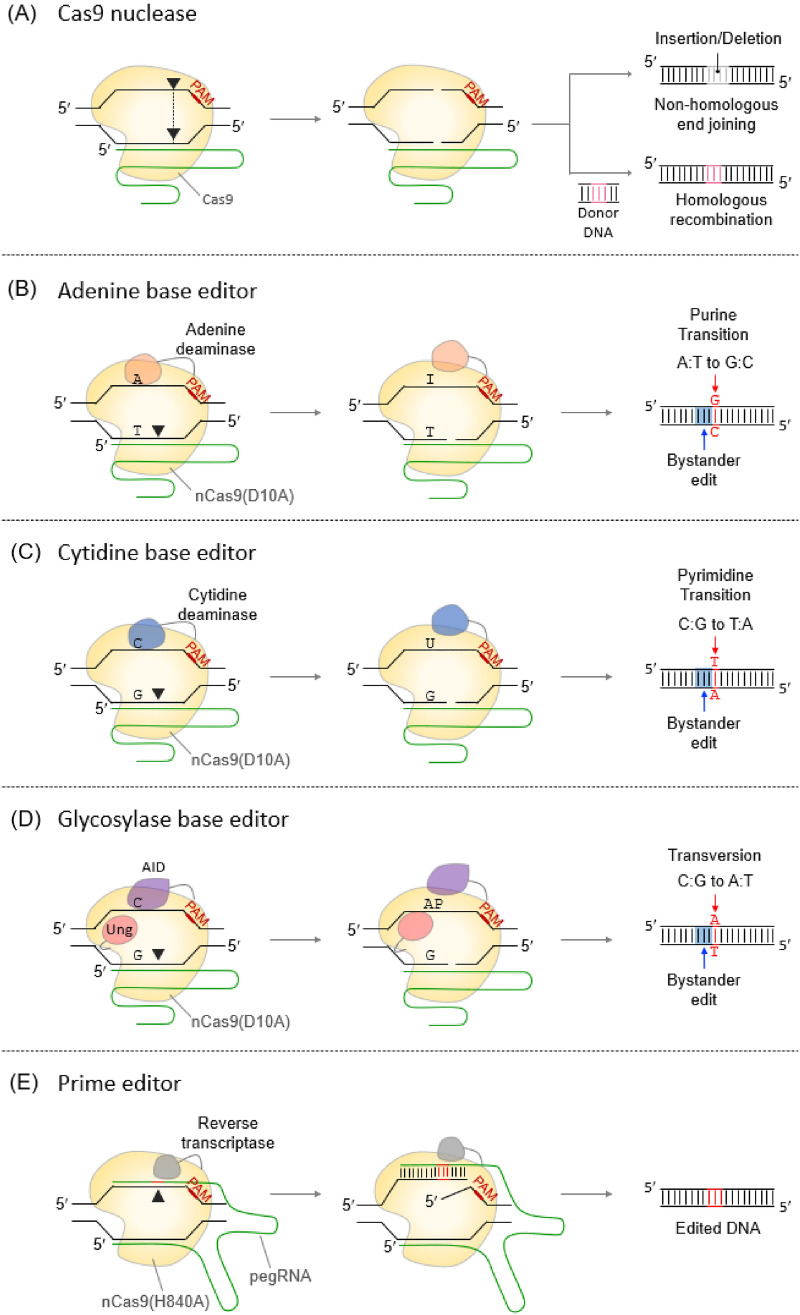
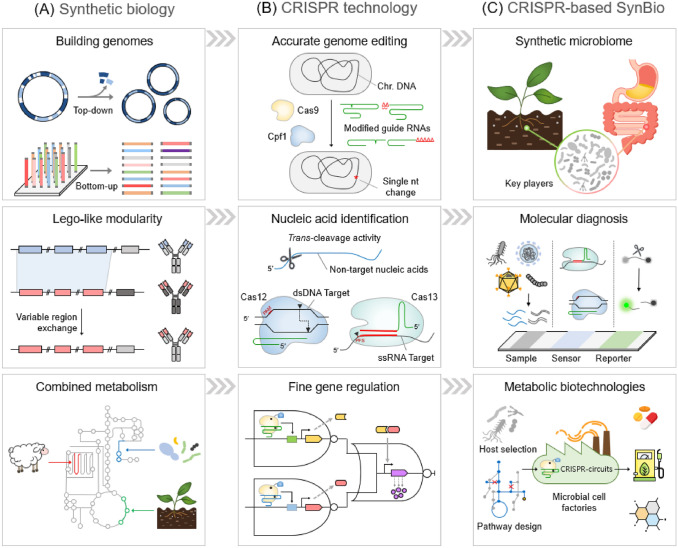
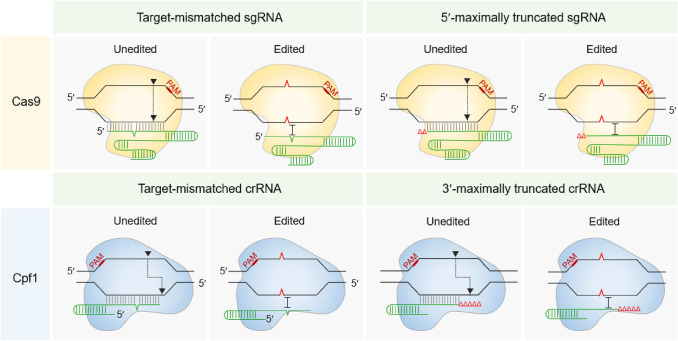
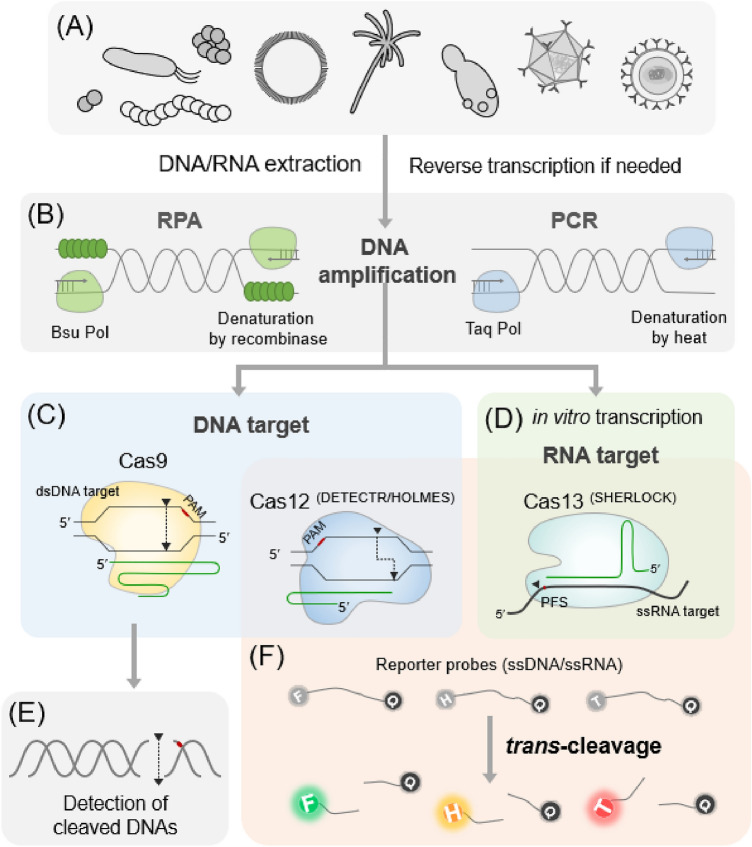
With developments in synthetic biology, "engineering biology" has emerged through standardization and platformization based on hierarchical, orthogonal, and modularized biological systems. Genome engineering is necessary to manufacture and design synthetic cells with desired functions by using bioparts obtained from sequence databases. Among various tools, the CRISPR-Cas system is modularly composed of guide RNA and Cas nuclease; therefore, it is convenient for editing the genome freely. Recently, various strategies have been developed to accurately edit the genome at a single nucleotide level. Furthermore, CRISPR-Cas technology has been extended to molecular diagnostics for nucleic acids and detection of pathogens, including disease-causing viruses. Moreover, CRISPR technology, which can precisely control the expression of specific genes in cells, is evolving to find the target of metabolic biotechnology. In this review, we summarize the status of various CRISPR technologies that can be applied to synthetic biology and discuss the development of synthetic biology combined with CRISPR technology in microbiology.
随着合成生物学的发展,“工程生物学”通过基于层次化、正交化和模块化的生物系统的标准化和平台化而出现。通过使用从序列数据库中获得的生物部件,基因组工程是制造和设计具有期望功能的合成细胞所必需的。在各种工具中,CRISPR-Cas 系统由引导 RNA 和 Cas 核酸酶组成,因此方便对基因组进行自由编辑。最近,已经开发了各种策略来在单核苷酸水平上精确编辑基因组。此外,CRISPR-Cas 技术已扩展到用于核酸的分子诊断和病原体检测,包括致病病毒。此外,CRISPR 技术可以精确控制细胞中特定基因的表达,正在发展成为寻找代谢生物技术目标的手段。在这篇综述中,我们总结了可应用于合成生物学的各种 CRISPR 技术的现状,并讨论了与 CRISPR 技术相结合的合成生物学在微生物学中的发展。