Ji Jieyun, Zeng Youling, Zhang Suwei, Chen Fangyuan, Hou Xianfei, Li Qiang
Xinjiang Key Laboratory of Biological Resources and Genetic Engineering, College of Life Science and Technology, Xinjiang University, Urumqi, sChina.
Institute of Economic Crops, Xinjiang Academy of Agricultural Sciences, Urumqi, China.
Front Plant Sci. 2023 Jan 10;13:1026421. doi: 10.3389/fpls.2022.1026421. eCollection 2022.
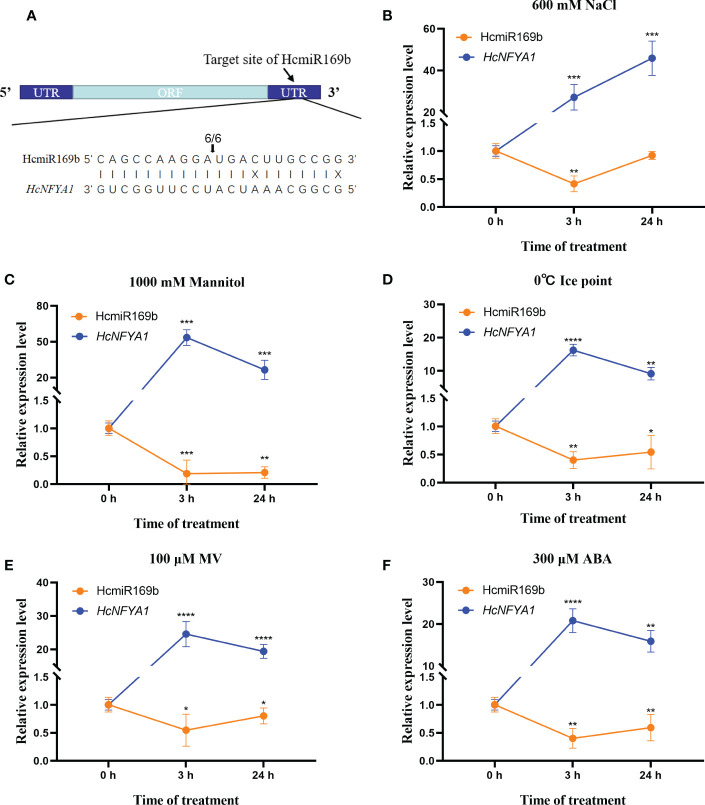
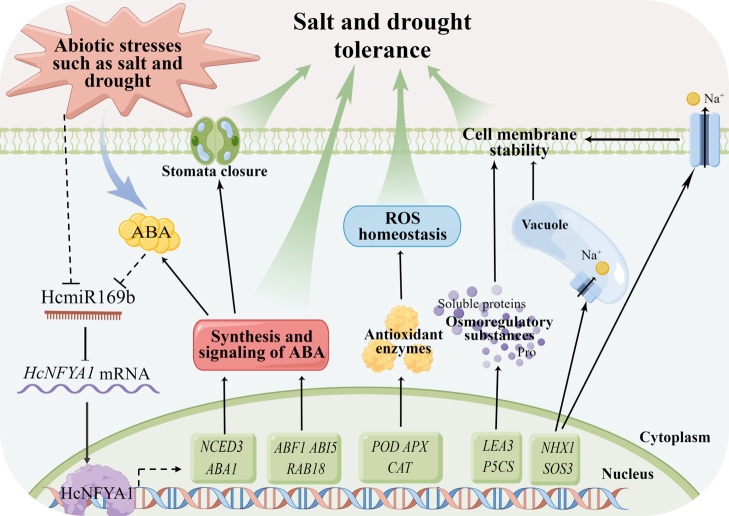
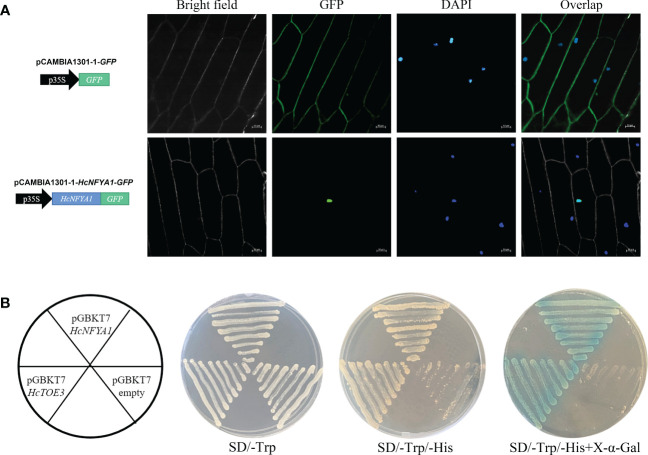
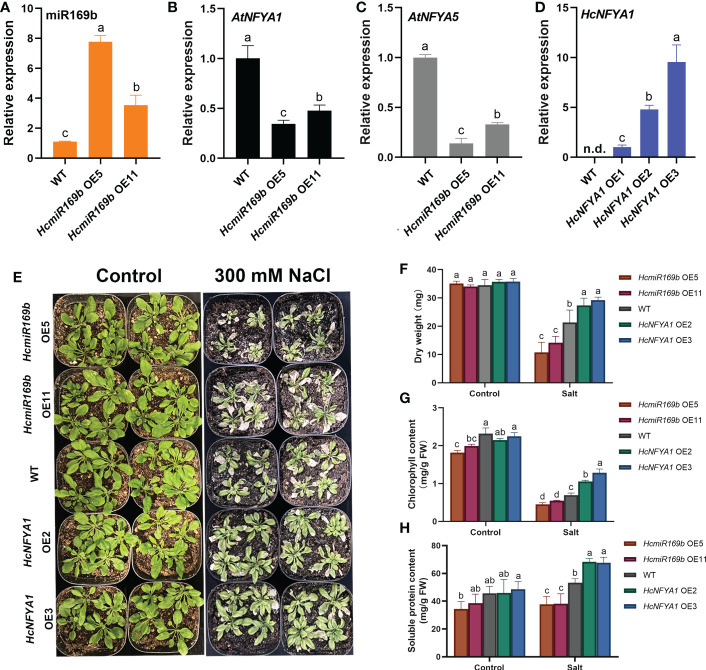
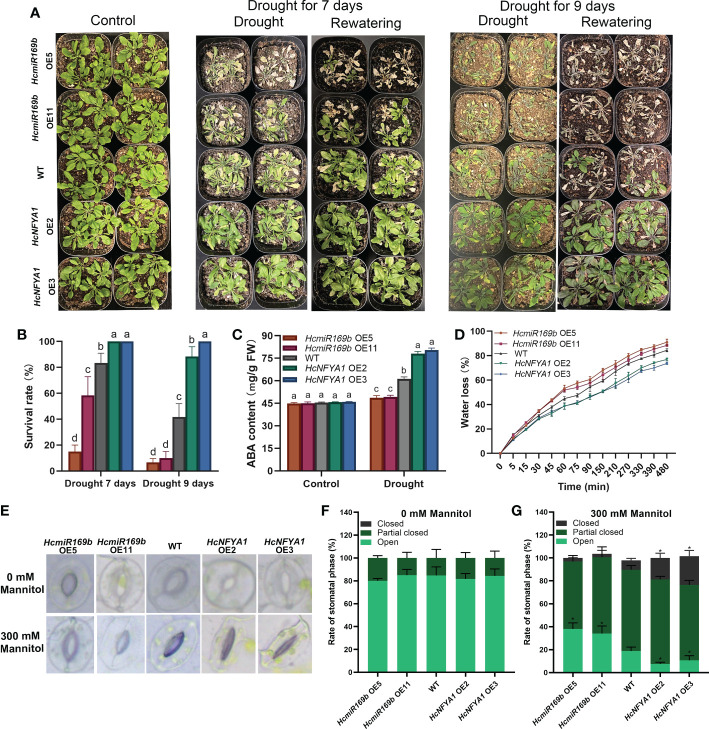
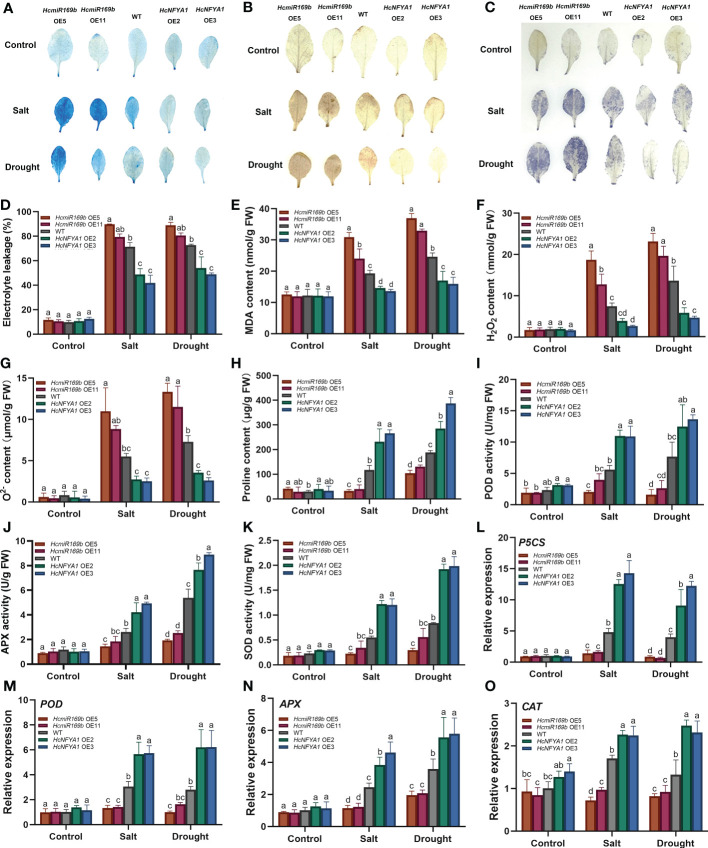
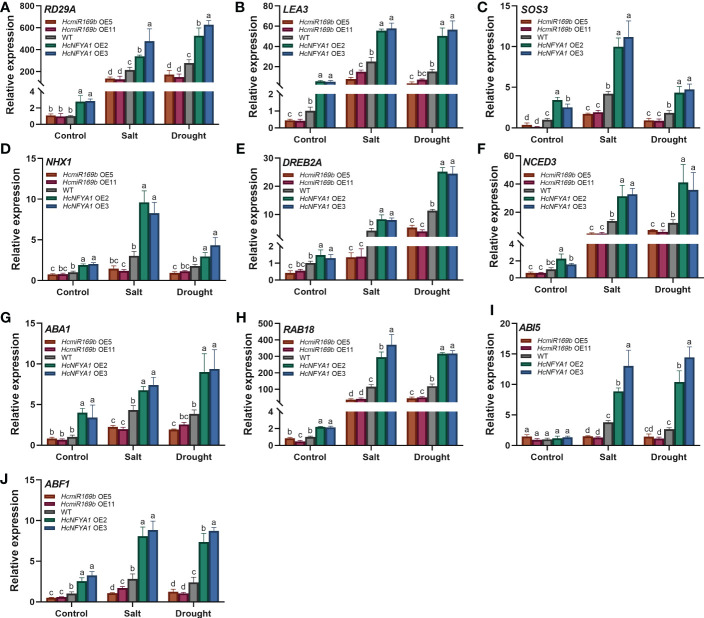
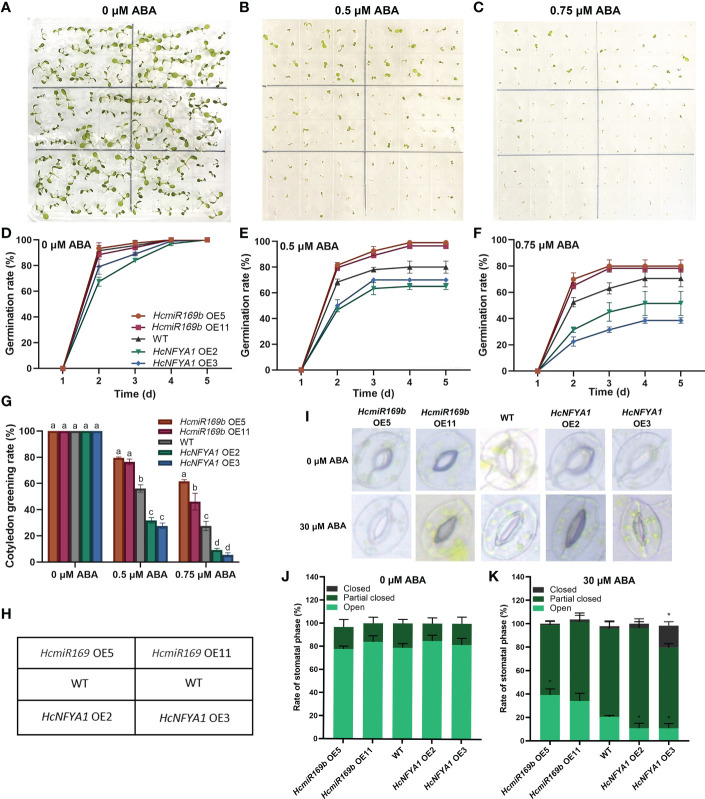
Salt and drought are the major abiotic stress factors plaguing plant growth, development and crop yields. Certain abiotic-stress tolerant plants have developed special mechanisms for adapting to adverse environments in the long process of evolution. Elucidating the molecular mechanisms by which they can exert resistance to abiotic stresses is beneficial for breeding new cultivars to guide agricultural production. , a perennial halophyte belonging to in Amaranthaceae, is extremely tolerant to harsh environments, which is commonly grown in the saline-alkali arid desert area of Northwest, China. However, the molecular mechanism of stress tolerance is unclear. Nuclear Factor Y-A (NFYA) is a transcription factor that regulates the expression of downstream genes in plant response to adverse environments. It has also been reported that some members of the NFYA family are the main targets of miR169 in plants. In this study, we mainly focused on exploring the functions and preliminary mechanism of the miR169b/NFYA1 module from to abiotic stress. The main results showed that RLM-RACE technology validated that was targeted by HcmiR169b, qRT-PCR revealed that HcmiR169b was repressed and was induced in the branches under various abiotic stress as well ABA treatment and stable transformation platform with molecular methods was applied to elucidate that the HcmiR169b/HcNFYA1 module conferred the salt and drought tolerance to plants by enhancing ABA synthesis and ABA signal transduction pathways, maintaining ROS homeostasis and the stability of cell membrane. is expected to be a candidate gene to improve plant resistance to salt and drought stresses.
盐胁迫和干旱是困扰植物生长、发育及作物产量的主要非生物胁迫因素。某些耐非生物胁迫的植物在长期进化过程中形成了适应逆境的特殊机制。阐明它们对非生物胁迫产生抗性的分子机制,有利于培育新品种以指导农业生产。盐地碱蓬是苋科的一种多年生盐生植物,对恶劣环境具有极强的耐受性,在中国西北盐碱干旱荒漠地区广泛生长。然而,其耐胁迫的分子机制尚不清楚。核因子Y-A(NFYA)是一种转录因子,在植物应对逆境时调控下游基因的表达。也有报道称,NFYA家族的一些成员是植物中miR169的主要作用靶点。在本研究中,我们主要聚焦于探究盐地碱蓬中miR169b/NFYA1模块对非生物胁迫的作用及初步机制。主要结果表明,RLM-RACE技术验证了盐地碱蓬HcNFYA1受HcmiR169b靶向作用,qRT-PCR显示在各种非生物胁迫、ABA处理下,盐地碱蓬茎枝中HcmiR169b受到抑制,HcNFYA1被诱导表达。通过分子方法构建了盐地碱蓬稳定转化平台,以阐明HcmiR169b/HcNFYA1模块通过增强ABA合成和ABA信号转导途径、维持活性氧稳态及细胞膜稳定性赋予植物耐盐和耐旱性。盐地碱蓬有望成为提高植物抗盐和抗旱胁迫能力的候选基因。