Kulecka Maria, Fraczek Barbara, Balabas Aneta, Czarnowski Paweł, Zeber-Lubecka Natalia, Zapala Barbara, Baginska Katarzyna, Glowienka Maria, Szot Monika, Skorko Maciek, Kluska Anna, Piatkowska Magdalena, Mikula Michał, Ostrowski Jerzy
Department of Gastroenterology, Hepatology and Clinical Oncology, Centre of Postgraduate Medical Education, Warsaw, Poland.
Department of Genetics, Maria Sklodowska-Curie National Research Institute of Oncology, Warsaw, Poland.
Front Nutr. 2023 Jan 16;9:1092846. doi: 10.3389/fnut.2022.1092846. eCollection 2022.
Esports is a category of competitive video games that, in many aspects, may be similar to traditional sports; however, the gut microbiota composition of players has not been yet studied.
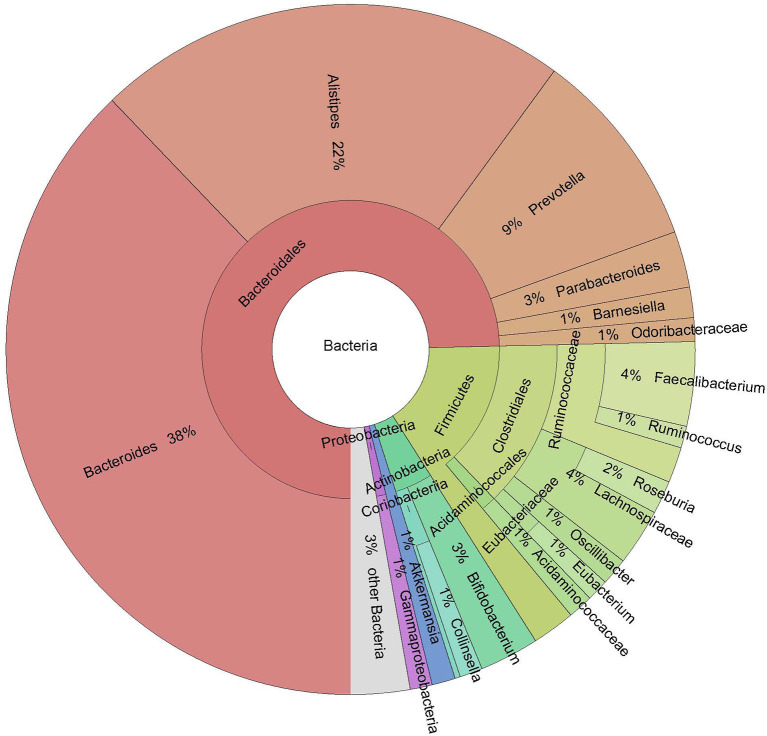
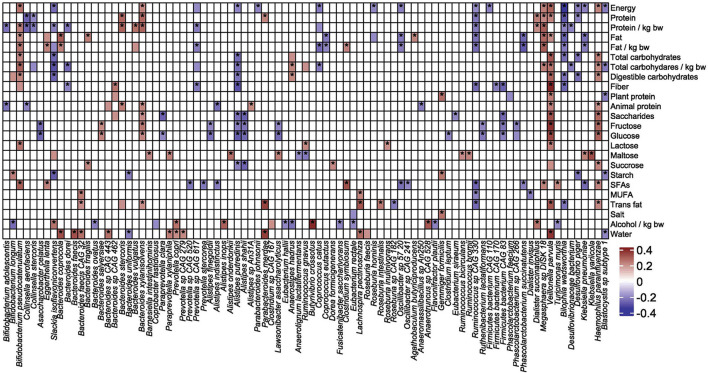
Here, we investigated the composition and function of the gut microbiota, as well as short chain fatty acids (SCFAs), and amino acids, in a group of 109 well-characterized Polish male esports players. The results were compared with two reference groups: 25 endurance athletes and 36 healthy students of physical education. DNA and metabolites isolated from fecal samples were analyzed using shotgun metagenomic sequencing and mass spectrometry, respectively. Physical activity and nutritional measures were evaluated by questionnaire.
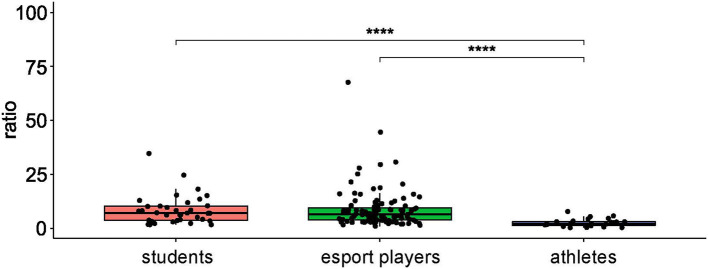
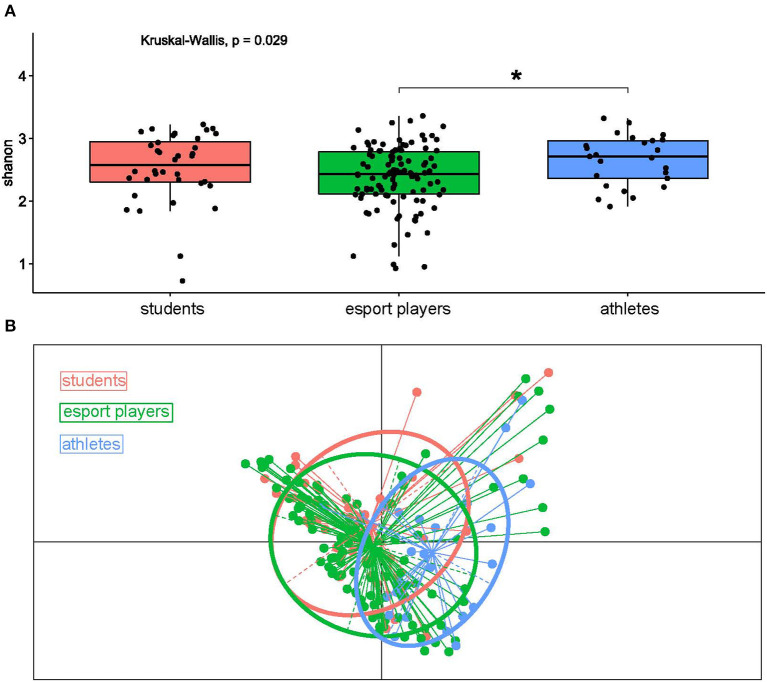
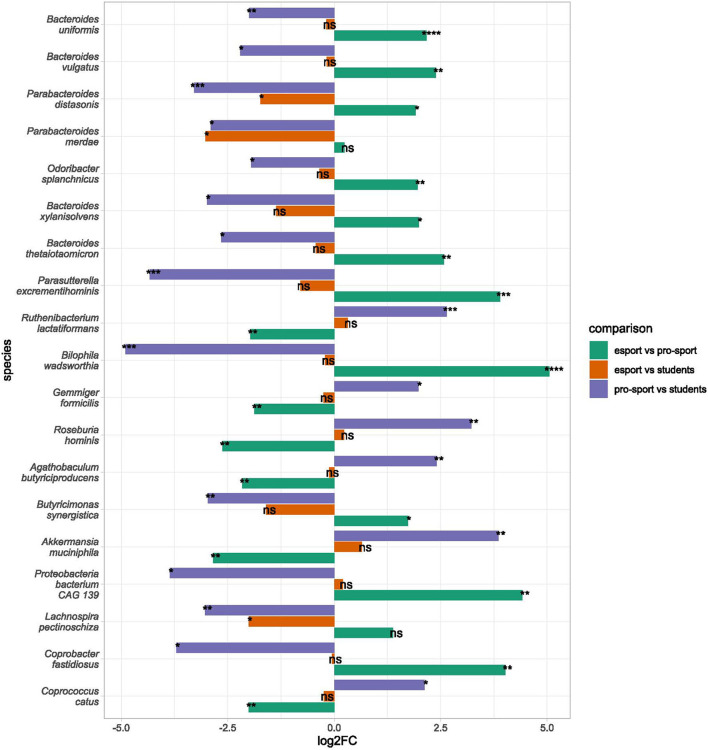
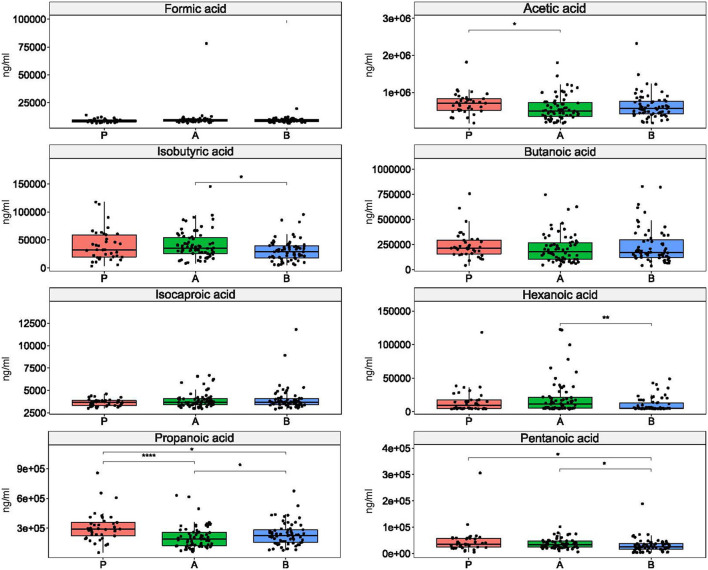
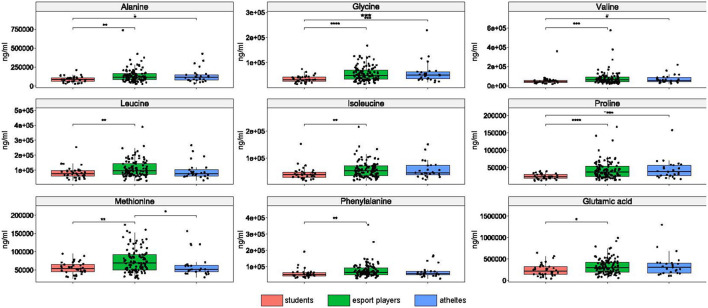
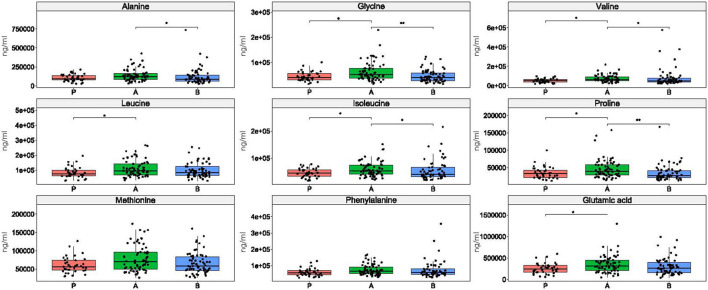
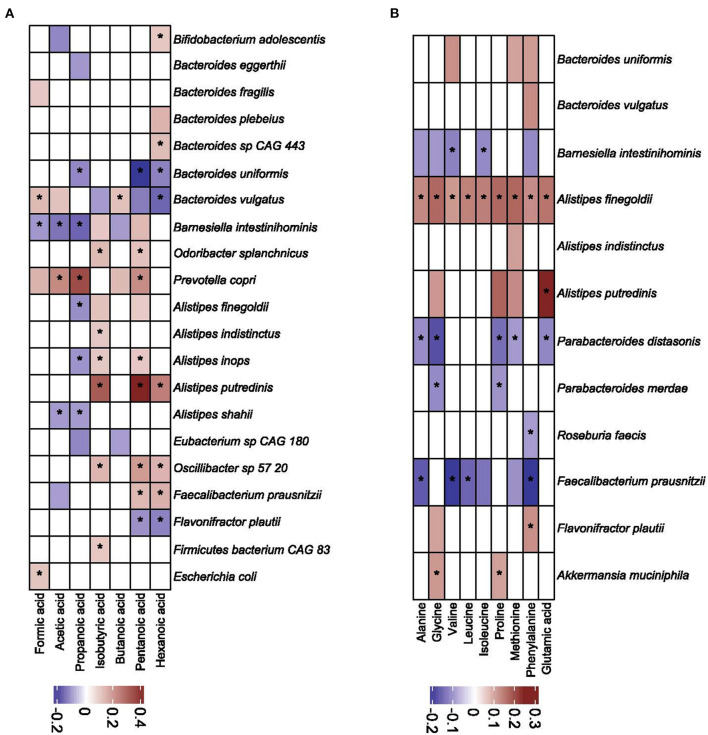
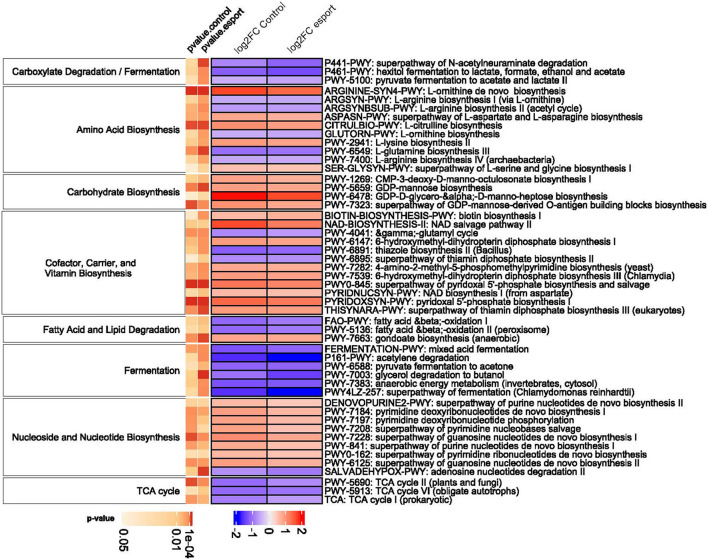
Although anthropometric, physical activity and nutritional measures differentiated esports players from students, there were no differences in bacterial diversity, the Bacteroidetes/Firmicutes ratio, the composition of enterotype clusters, metagenome functional content, or SCFA concentrations. However, there were significant differences between esports players and students with respect to nine bacterial species and nine amino acids. By contrast, all of the above-mentioned measures differentiated professional athletes from esports players and students, with 45 bacteria differentiating professional athletes from the former and 31 from the latter. The only species differentiating all three experimental groups was , showing the lowest and highest abundance in esports players and athletes, respectively.
Our study confirms the marked impact of intense exercise training on gut microbial structure and function. Differences in lifestyle and dietary habits between esports players and physical education students appear to not have a major effect on the gut microbiota.
电子竞技是一类竞技视频游戏,在许多方面可能与传统体育类似;然而,尚未对玩家的肠道微生物群组成进行研究。
在此,我们调查了109名特征明确的波兰男性电子竞技玩家的肠道微生物群的组成与功能,以及短链脂肪酸(SCFAs)和氨基酸。将结果与两个参照组进行比较:25名耐力运动员和36名健康体育专业学生。分别使用鸟枪法宏基因组测序和质谱分析法对从粪便样本中分离出的DNA和代谢物进行分析。通过问卷调查评估身体活动和营养指标。
尽管人体测量学、身体活动和营养指标将电子竞技玩家与学生区分开来,但在细菌多样性、拟杆菌门/厚壁菌门比率、肠型簇组成、宏基因组功能内容或SCFA浓度方面并无差异。然而,在9种细菌种类和9种氨基酸方面,电子竞技玩家与学生之间存在显著差异。相比之下,上述所有指标都将职业运动员与电子竞技玩家及学生区分开来,有45种细菌将职业运动员与电子竞技玩家区分开来,31种细菌将职业运动员与学生区分开来。唯一能区分所有三个实验组的物种是 ,在电子竞技玩家和运动员中分别显示出最低和最高丰度。
我们的研究证实了高强度运动训练对肠道微生物结构和功能的显著影响。电子竞技玩家与体育专业学生在生活方式和饮食习惯上的差异似乎对肠道微生物群没有重大影响。