School of Social Science, The University of Queensland, Saint Lucia, QLD, Australia.
Department of Archaeology, Max Planck Institute of Geoanthropology, Jena, Germany.
PLoS One. 2023 Feb 2;18(2):e0280347. doi: 10.1371/journal.pone.0280347. eCollection 2023.
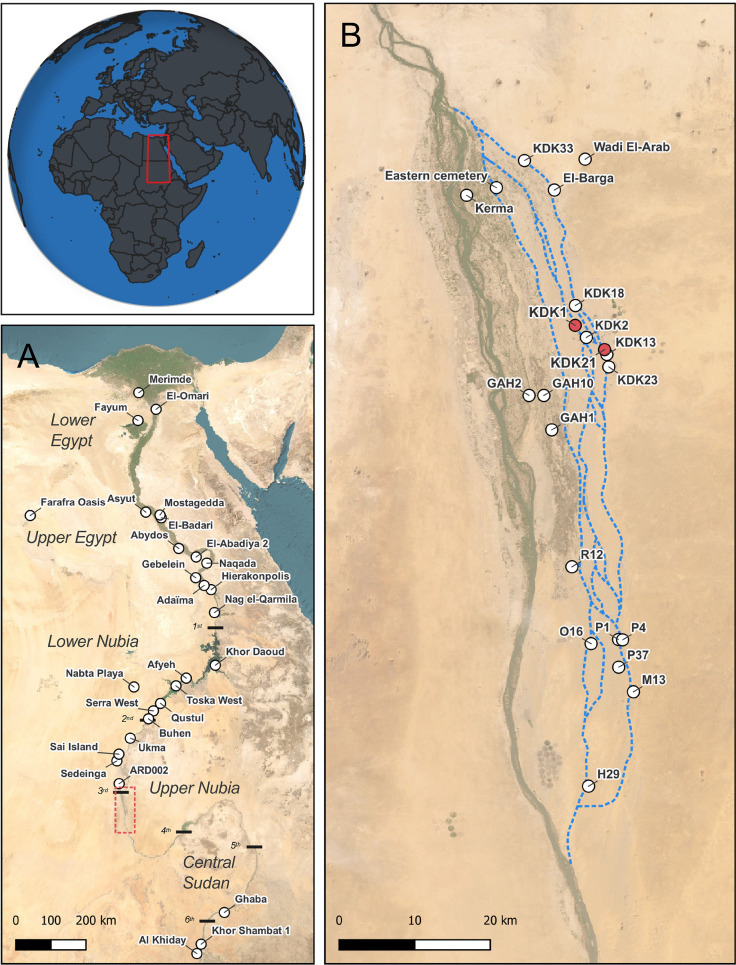
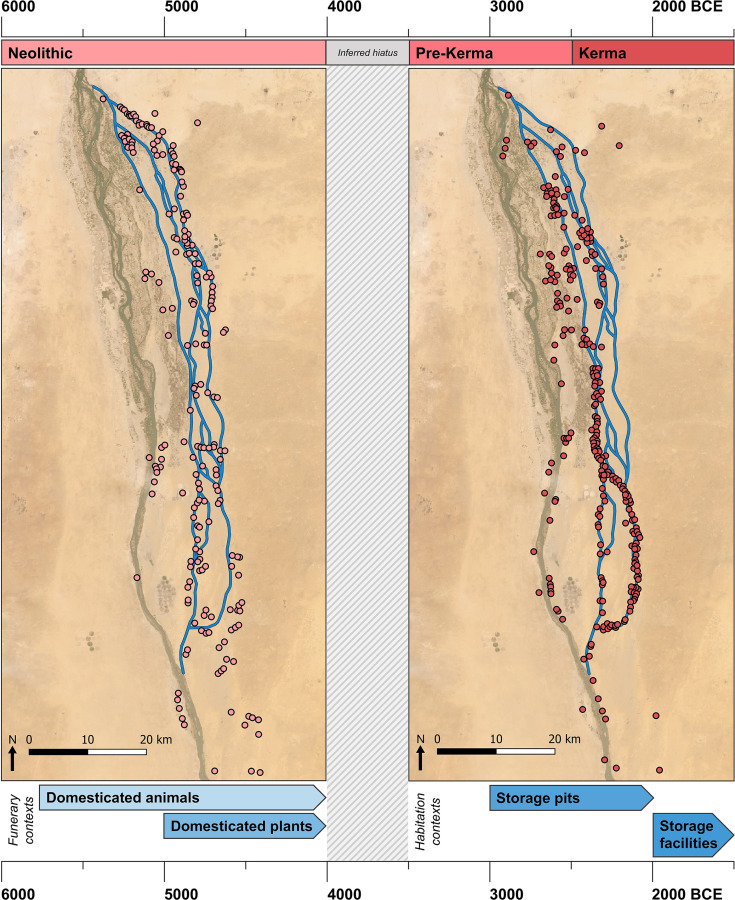
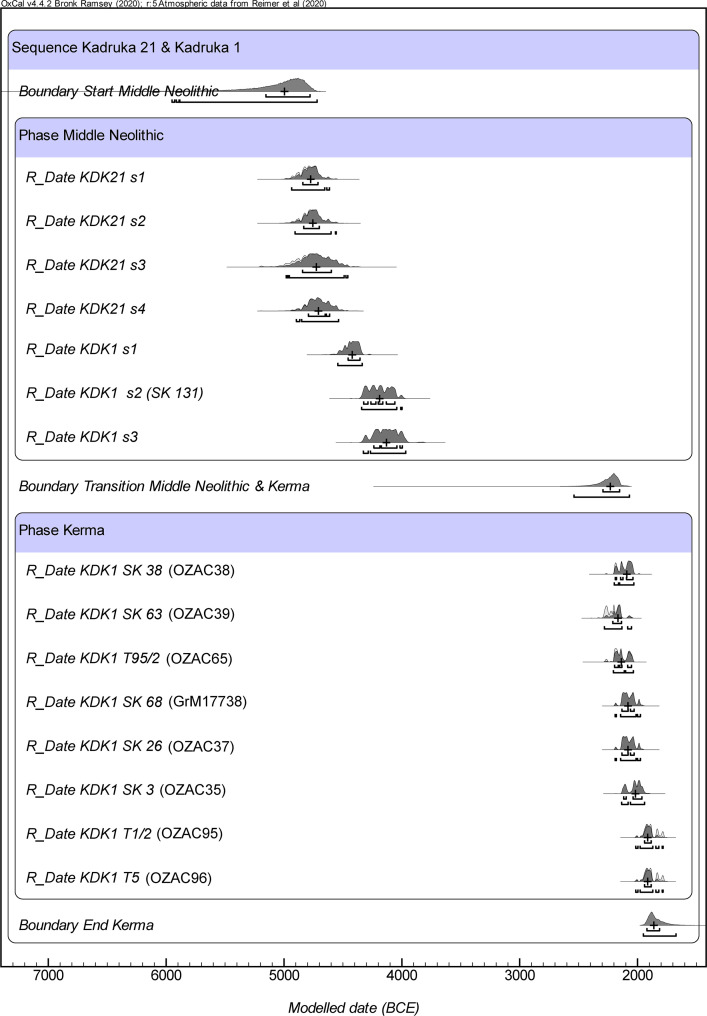
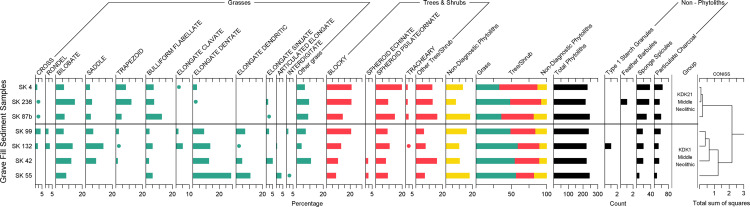
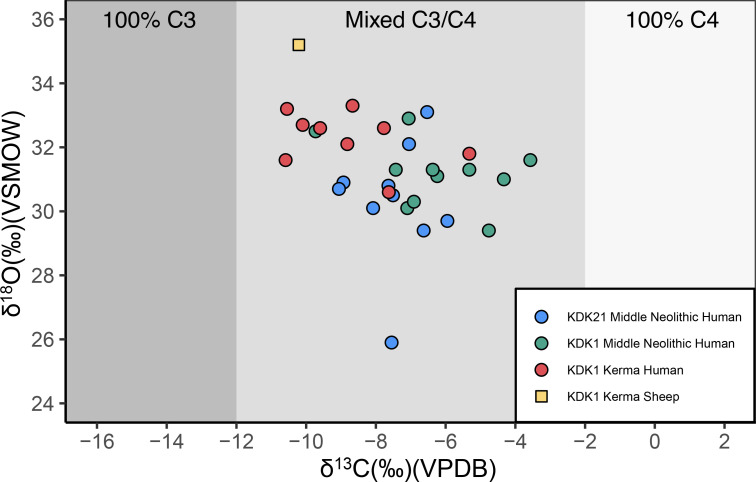
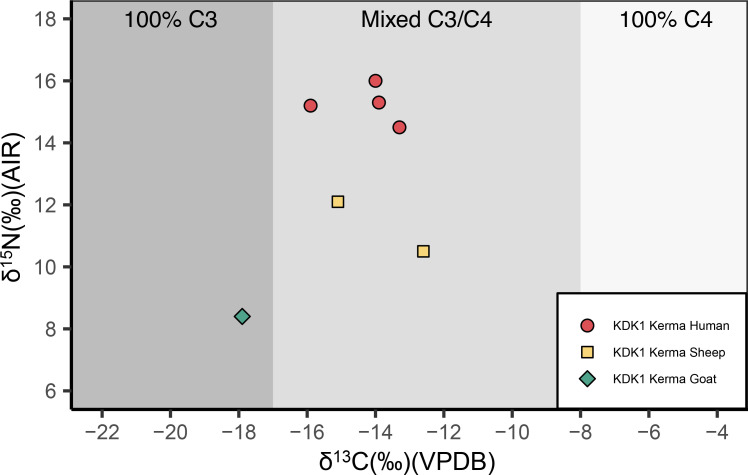
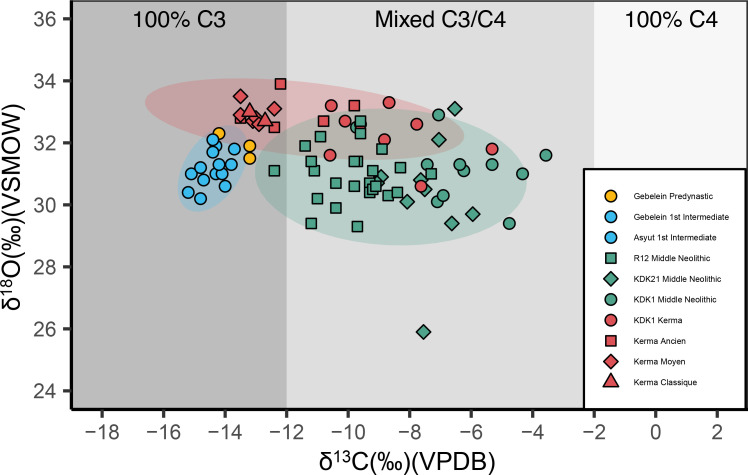
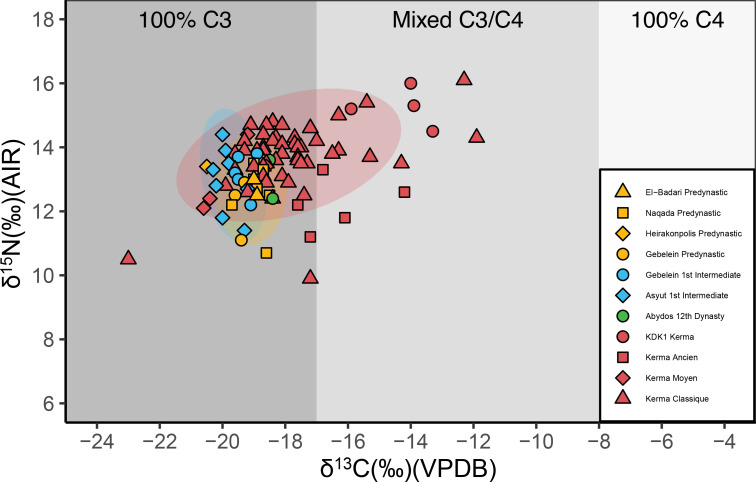
Human responses to climate change have long been at the heart of discussions of past economic, social, and political change in the Nile Valley of northeastern Africa. Following the arrival of Neolithic groups in the 6th millennium BCE, the Northern Dongola Reach of Upper Nubia witnessed a cultural florescence manifested through elaborate funerary traditions. However, despite the wealth of archaeological data available from funerary contexts, including evidence for domesticated animals and plants as grave goods, the paucity of stratified habitation contexts hinders interpretation of local subsistence trajectories. While it is recognised archaeologically that, against the backdrop of increasing environmental deterioration, the importance of agriculture based on Southwest Asian winter cereals increased throughout the Kerma period (2500-1450 BCE), the contribution of domesticated cereals to earlier Neolithic herding economies remains unclear. This paper presents direct dietary data from a total of 55 Middle Neolithic and Kerma period individuals from Kadruka 21 and Kadruka 1. Microbotanical data obtained from human dental calculus and grave sediments are integrated with human and faunal stable isotopes to explore changes in dietary breadth over time. The combined results demonstrate the consumption of wild plant species, including C4 wetland adapted grasses, by Middle Neolithic individuals at Kadruka 1. Despite existing evidence for domesticated barley in associated graves, the results obtained in this study provide no clear evidence for the routine consumption of domesticated cereals by Middle Neolithic individuals. Rather, direct microparticle evidence for the consumption of Triticeae cereals is only associated with a single Kerma period individual and corresponds with an isotopic shift indicating a greater contribution of C3-derived resources to diet. These results provide evidence for Neolithic dietary flexibility in Upper Nubia through the persistence of foraging activities and support existing evidence linking increased agricultural reliance to the development of the Kerma culture.
人类对气候变化的反应一直是讨论东北非尼罗河流域过去经济、社会和政治变化的核心。在新石器时代群体于公元前 6000 年抵达之后,努比亚上区的北栋古拉见证了通过精心制作的丧葬传统表现出来的文化繁荣。然而,尽管从丧葬背景中获得了丰富的考古数据,包括作为随葬品的家养动物和植物的证据,但分层居住背景的稀缺性阻碍了对当地生计轨迹的解释。尽管考古学已经认识到,在环境恶化加剧的背景下,以西南亚冬季谷物为基础的农业的重要性在整个库玛时期(公元前 2500-1450 年)都有所增加,但家养谷物对早期新石器时代畜牧业经济的贡献仍不清楚。本文从 Kadruka 21 和 Kadruka 1 的总共 55 名中石器时代和库玛时期个体中提供了直接的饮食数据。从人类牙垢和坟墓沉积物中获得的微体数据与人类和动物的稳定同位素数据相结合,以探索随时间推移饮食广度的变化。综合结果表明,中石器时代个体在 Kadruka 1 食用了野生植物物种,包括 C4 湿地适应草。尽管在相关坟墓中存在家养大麦的证据,但本研究的结果并未提供中石器时代个体常规食用家养谷物的明确证据。相反,只有一个库玛时期个体与食用小麦属谷物的直接微粒子证据有关,这与表明饮食中 C3 衍生资源贡献更大的同位素转变相对应。这些结果为努比亚上区新石器时代饮食的灵活性提供了证据,通过持续的觅食活动和支持将对农业的依赖增加与库玛文化的发展联系起来的现有证据。