Zhang Simeng, Meng Rui, Jiang Muzhou, Qing Hong, Ni Junjun
Key Laboratory of Molecular Medicine and Biotherapy, Department of Biology, School of Life Science, Beijing Institute of Technology, Beijing, 100081, China.
Liaoning Provincial Key Laboratory of Oral Diseases, Department of Periodontics, School and Hospital of Stomatology, China Medical University, Shenyang, 110002, China.
Curr Neuropharmacol. 2024;22(7):1189-1204. doi: 10.2174/1570159X21666230203103910.
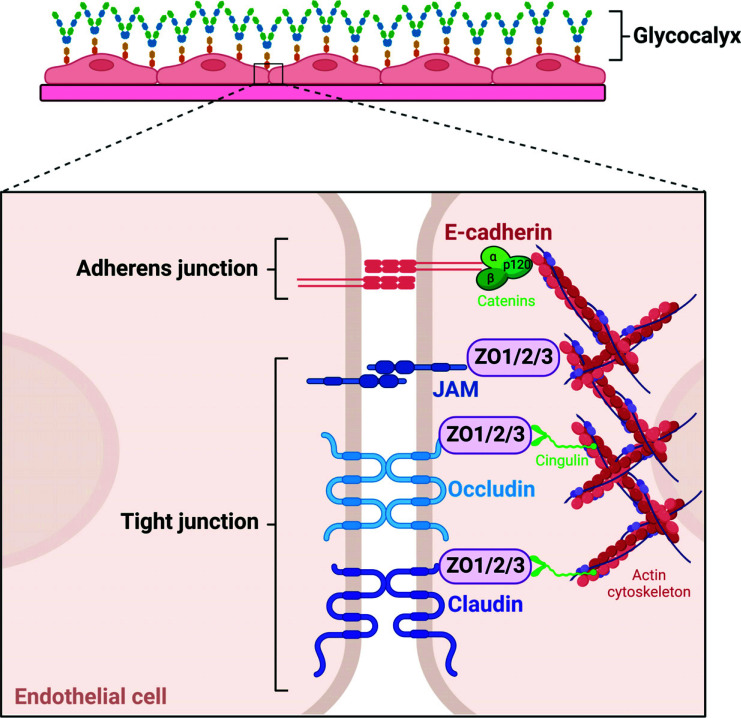
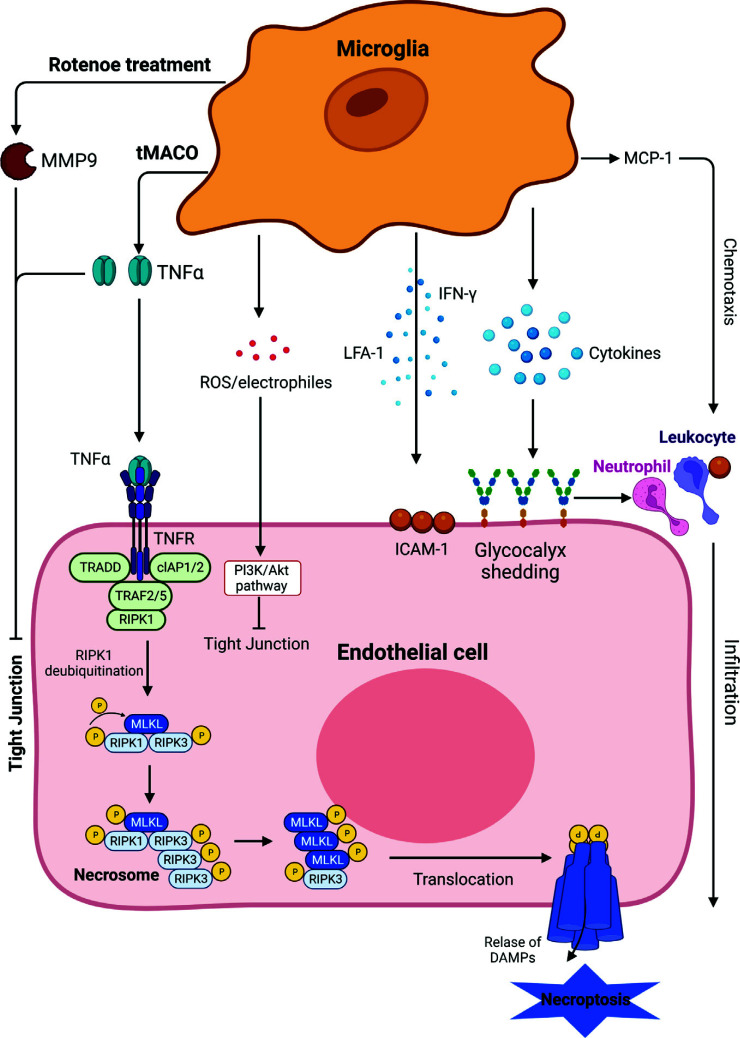
The blood-brain barrier (BBB) is a highly selective interface between the blood and the brain parenchyma. It plays an essential role in maintaining a specialized environment for central nervous system function and homeostasis. The BBB disrupts with age, which contributes to the development of many age-related disorders due to central and peripheral toxic factors or BBB dysfunction. Microglia, the resident innate immune cells of the brain, have recently been explored for their ability to directly and indirectly regulate the integrity of the BBB. This review will focus on the current understanding of the molecular mechanisms utilized by microglia to regulate BBB integrity and how this becomes disrupted in aging and age-associated diseases. We will also discuss the rationale for considering microglia as a therapeutic target to prevent or slow down neurodegeneration.
血脑屏障(BBB)是血液与脑实质之间具有高度选择性的界面。它在维持中枢神经系统功能和体内平衡的特殊环境中起着至关重要的作用。血脑屏障会随着年龄增长而遭到破坏,这会由于中枢和外周毒性因素或血脑屏障功能障碍而导致许多与年龄相关的疾病的发生。小胶质细胞是大脑中固有的先天性免疫细胞,最近人们对其直接和间接调节血脑屏障完整性的能力进行了探索。本综述将聚焦于目前对小胶质细胞用于调节血脑屏障完整性的分子机制的理解,以及这一机制在衰老和与年龄相关的疾病中是如何被破坏的。我们还将讨论将小胶质细胞作为预防或减缓神经退行性变的治疗靶点的基本原理。