Champlin Carissa, Sirenko Mikhail, Comes Tina
Department of Human-Centered Design, Delft University of Technology, Delft, the Netherlands.
Department of Engineering Systems and Services, Delft University of Technology, Delft, the Netherlands.
Cities. 2023 Apr;135:104220. doi: 10.1016/j.cities.2023.104220. Epub 2023 Feb 1.
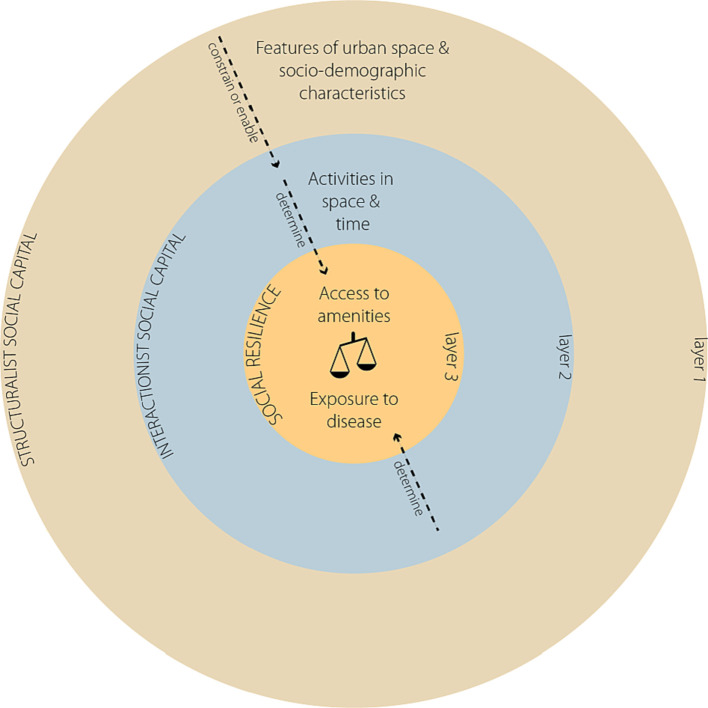
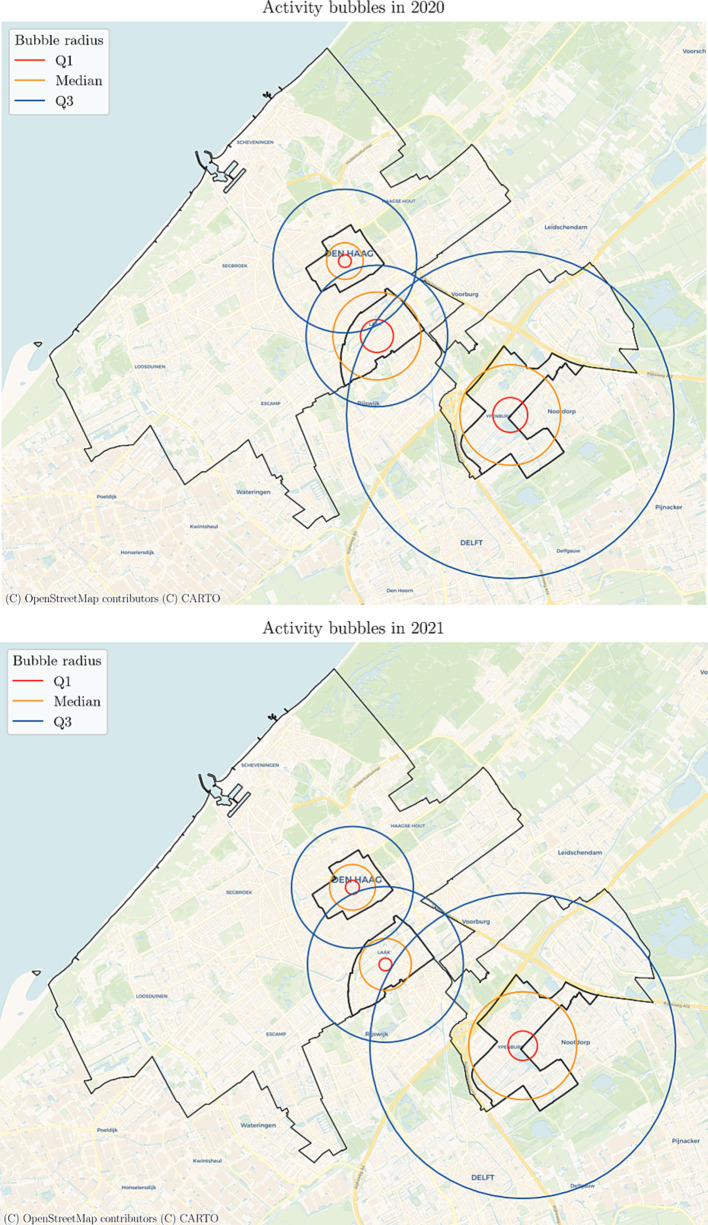
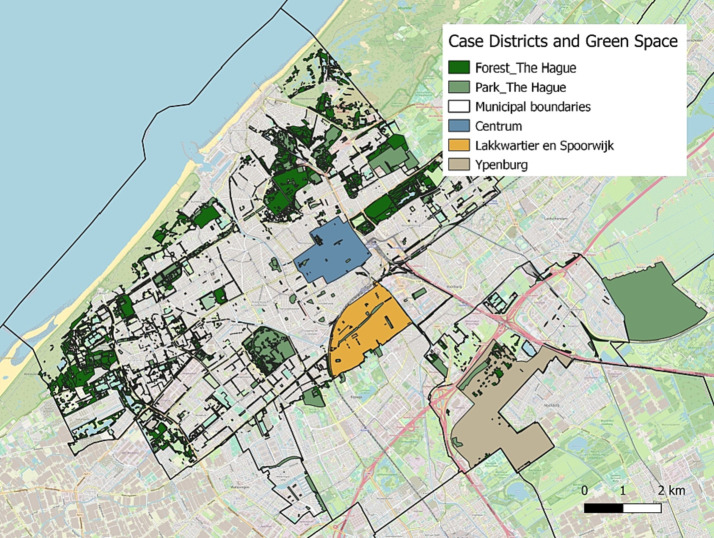
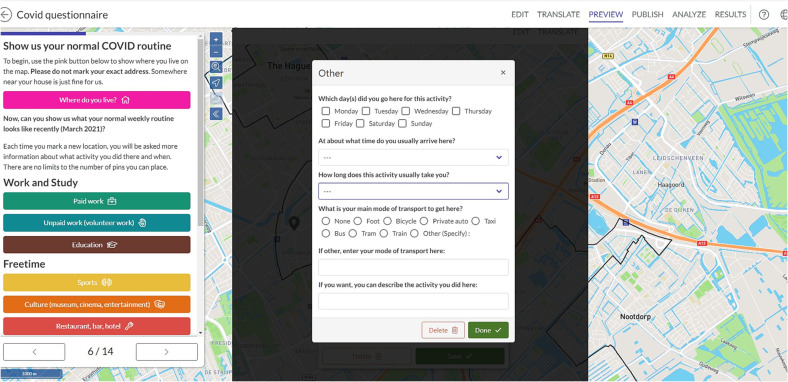
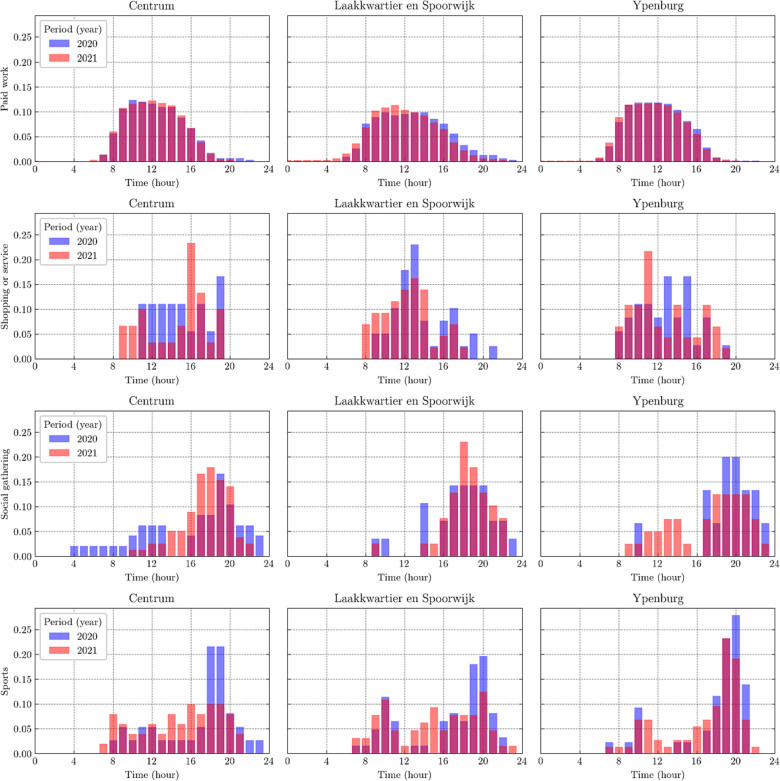
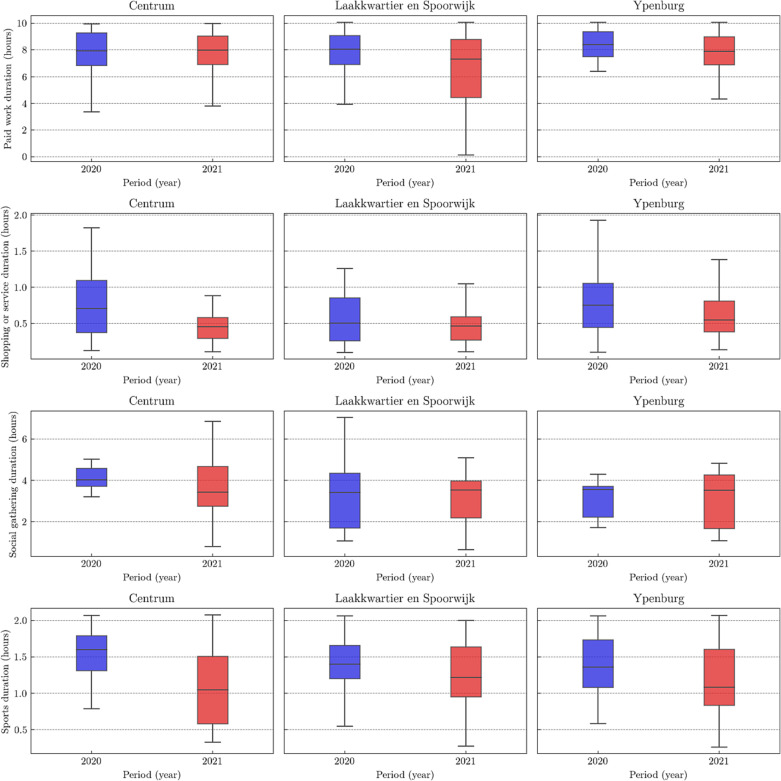
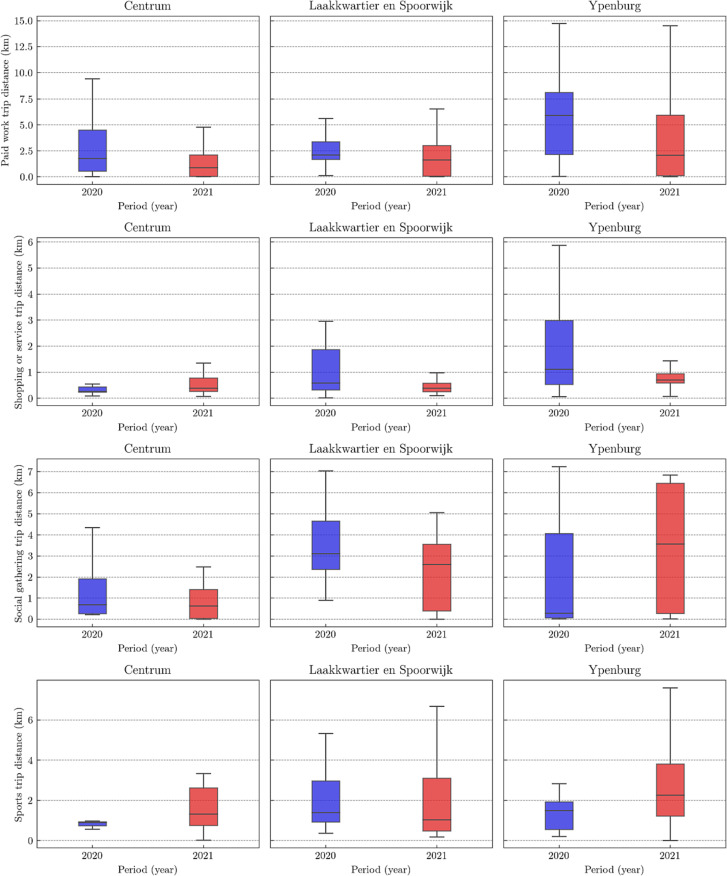
Covid-19 has dramatically changed life in cities across the globe. What remains uncertain is how national policies and appeals to comply with suggested rules translate to changes in the behaviour of citizens in urban areas. This lack of local knowledge leaves urban policy makers and planners with few clues as to the determinants of social resilience in cities during protracted crises like a pandemic. Methods are required to measure the capacity of people to conduct routine activities without risking exposure to a prevalent disease, particularly for those most vulnerable during a health crisis. By spanning the fields of urban resilience, human geography, mobility studies and the behavioural sciences, this study explores how to measure social resilience in cities during a protracted crisis. Using a public participation GIS online platform, we observe changes in citizen behaviour within urban spaces during the Covid-19 pandemic. Inhabitants from three districts of a Dutch city mapped their activity routines during the lockdown period and during the year before the pandemic. Spatio-temporal analysis reveals changes in the clustering of activities into what we describe as 'activity bubbles'. We reflect on the influence of the urban space on these changes and assess the contribution of this exploratory research methodology for gaining insights into behavioural change. Implications for urban planning and resilience theory are discussed.
新冠疫情极大地改变了全球城市的生活。尚不确定的是,国家政策以及对遵守建议规则的呼吁如何转化为城市地区公民行为的改变。这种缺乏地方知识的情况,让城市政策制定者和规划者对于像大流行这样的长期危机期间城市社会复原力的决定因素几乎毫无头绪。需要有方法来衡量人们在不冒感染流行疾病风险的情况下开展日常活动的能力,尤其是对于那些在健康危机期间最脆弱的人群。通过跨越城市复原力、人文地理学、流动性研究和行为科学等领域,本研究探索了如何在长期危机期间衡量城市的社会复原力。利用一个公众参与式地理信息系统在线平台,我们观察了新冠疫情期间城市空间内公民行为的变化。荷兰一座城市三个区的居民绘制了他们在封锁期间以及疫情前一年的活动轨迹。时空分析揭示了活动聚集形成我们所称的“活动气泡”的变化情况。我们思考了城市空间对这些变化的影响,并评估了这种探索性研究方法对深入了解行为变化的贡献。文中还讨论了对城市规划和复原力理论的启示。