Department of Pulmonary Medicine, Dr. Josep Trueta University Hospital de Girona, Santa Caterina Hospital de Salt and the Girona Biomedical Research Institute (IDIBGI), 17190 Girona, Spain.
Centro de Investigaciones Biologicas Margarita Salas (CIB-CSIC), 28040 Madrid, Spain.
Int J Mol Sci. 2023 Jan 29;24(3):2569. doi: 10.3390/ijms24032569.
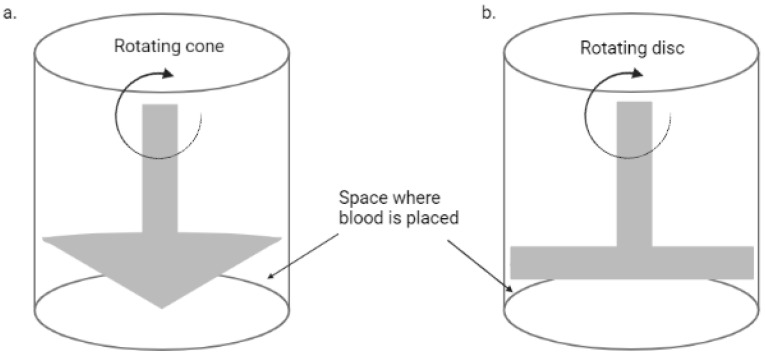
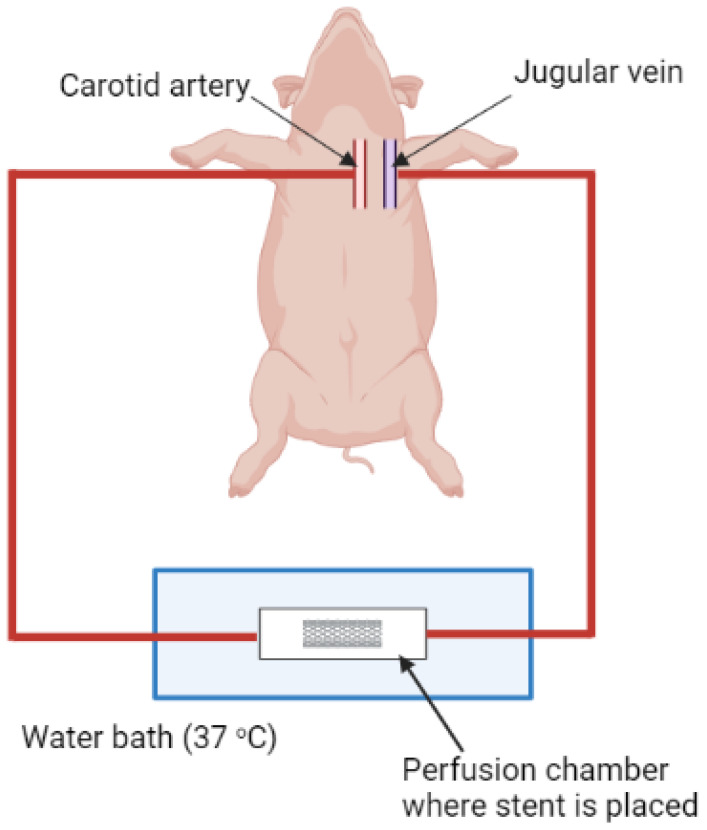
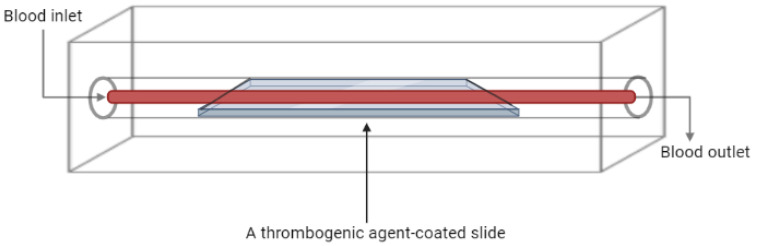
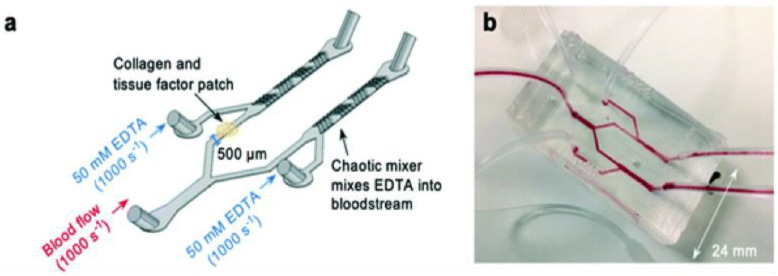
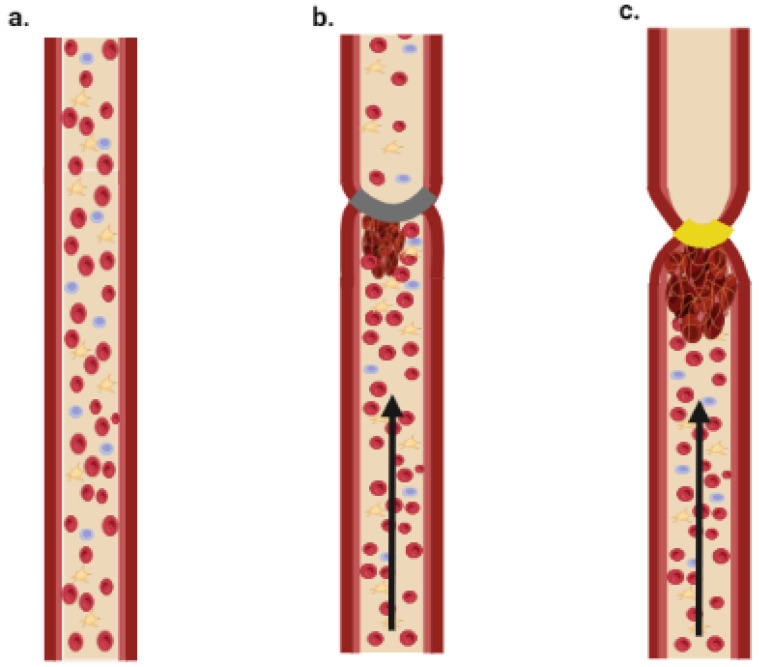
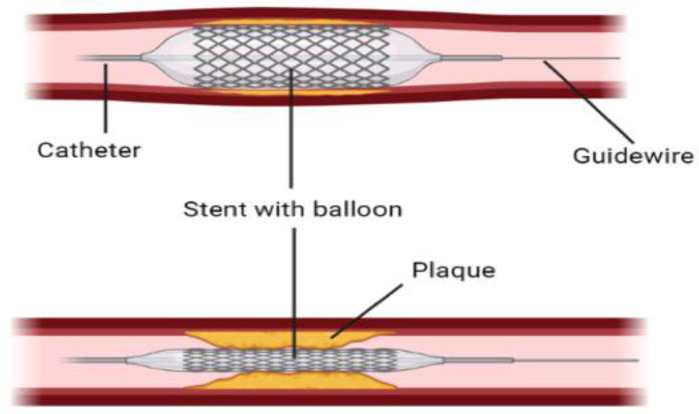
Occlusions in the blood vessels caused by blood clots, referred to as thrombosis, and the subsequent outcomes are leading causes of morbidity and mortality worldwide. In vitro and in vivo models of thrombosis have advanced our understanding of the complex pathways involved in its development and allowed the evaluation of different therapeutic approaches for its management. This review summarizes different commonly used approaches to induce thrombosis in vivo and in vitro, without detailing the protocols for each technique or the mechanism of thrombus development. For ease of flow, a schematic illustration of the models mentioned in the review is shown below. Considering the number of available approaches, we emphasize the importance of standardizing thrombosis models in research per study aim and application, as different pathophysiological mechanisms are involved in each model, and they exert varying responses to the same carried tests. For the time being, the selection of the appropriate model depends on several factors, including the available settings and research facilities, the aim of the research and its application, and the researchers' experience and ability to perform surgical interventions if needed.
血管中的血栓阻塞,即血栓形成,以及由此产生的后果是全球发病率和死亡率的主要原因。血栓形成的体外和体内模型增进了我们对其发展过程中涉及的复杂途径的理解,并允许评估不同的治疗方法来管理它。这篇综述总结了不同的常用方法,用于在体内和体外诱导血栓形成,而没有详细描述每种技术的方案或血栓形成的机制。为了便于理解,下面显示了综述中提到的模型的示意图。考虑到可用方法的数量,我们强调根据研究目的和应用标准化血栓形成模型的重要性,因为每个模型都涉及不同的病理生理机制,并且它们对相同的测试反应不同。目前,适当模型的选择取决于几个因素,包括可用的设置和研究设施、研究目的及其应用,以及研究人员的经验和进行手术干预的能力(如果需要的话)。