Somoza Manuel, Rial Ramón, Liu Zhen, Llovo Iago F, Reis Rui L, Mosqueira Jesús, Ruso Juan M
Soft Matter and Molecular Biophysics Group, Department of Applied Physics, University of Santiago de Compostela, 15782 Santiago de Compostela, Spain.
3B's Research Group, I3Bs-Research Institute on Biomaterials, Biodegradables and Biomimetics, University of Minho, Headquarters of the European Institute of Excellence on Tissue Engineering and Regenerative Medicine AvePark-Parque de Ciência e Tecnologia Zona Industrial da Gandra Barco, 4805-017 Guimarães, Portugal.
Nanomaterials (Basel). 2023 Jan 26;13(3):501. doi: 10.3390/nano13030501.
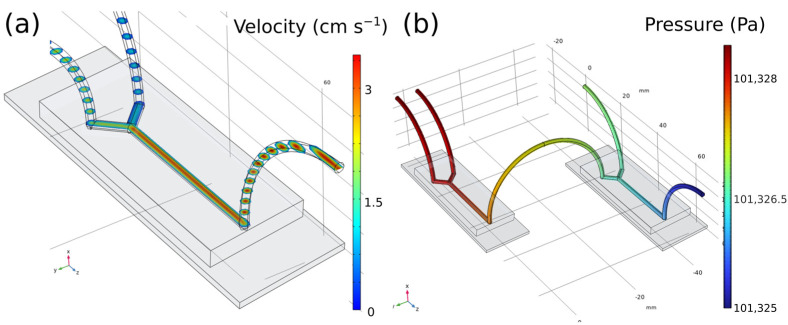
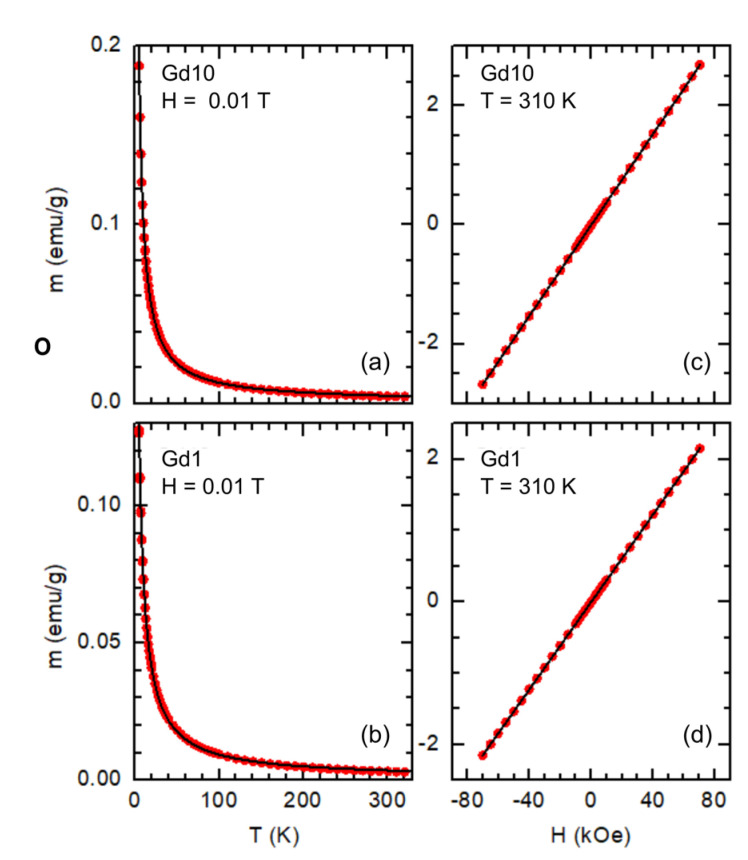
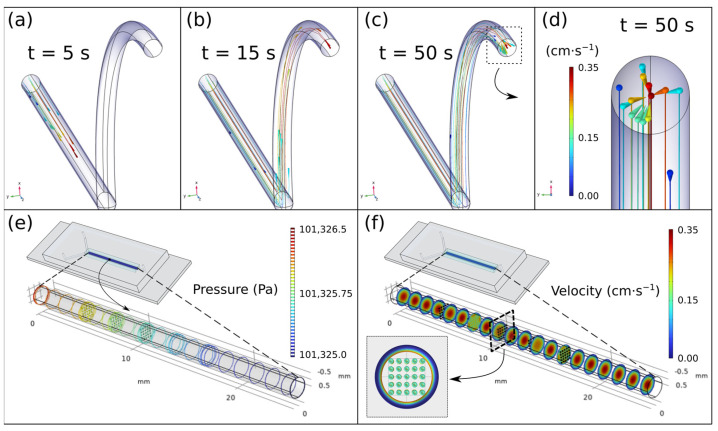
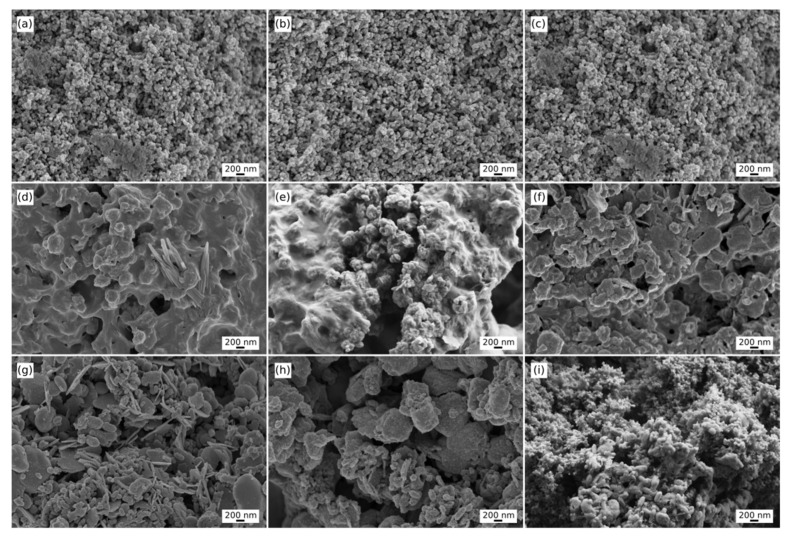
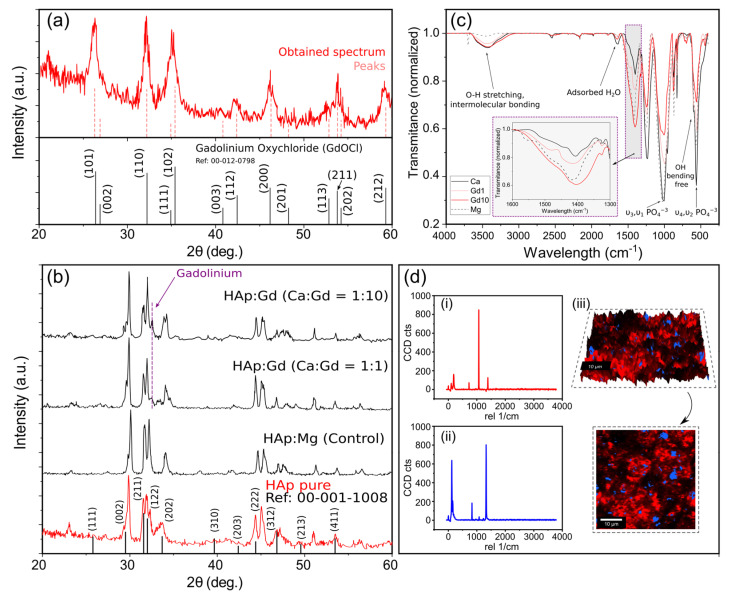
Among the several possible uses of nanoparticulated systems in biomedicine, their potential as theragnostic agents has received significant interest in recent times. In this work, we have taken advantage of the medical applications of Gadolinium as a contrast agent with the versatility and huge array of possibilities that microfluidics can help to create doped Hydroxyapatite nanoparticles with magnetic properties in an efficient and functional way. First, with the help of Computational Fluid Dynamics (CFD), we performed a complete and precise study of all the elements and phases of our device to guarantee that our microfluidic system worked in the laminar regime and was not affected by the presence of nanoparticles through the flow requisite that is essential to guarantee homogeneous diffusion between the elements or phases in play. Then the obtained biomaterials were physiochemically characterized by means of XRD, FE-SEM, EDX, confocal Raman microscopy, and FT-IR, confirming the successful incorporation of the lanthanide element Gadolinium in part of the Ca (II) binding sites. Finally, the magnetic characterization confirmed the paramagnetic behaviour of the nanoparticles, demonstrating that, with a simple and automatized system, it is possible to obtain advanced nanomaterials that can offer a promising and innovative solution in theragnostic applications.
在纳米颗粒系统在生物医学的几种可能应用中,其作为诊疗试剂的潜力近年来受到了极大关注。在这项工作中,我们利用了钆作为造影剂的医学应用,以及微流控技术所具有的多功能性和众多可能性,以高效且实用的方式帮助制备具有磁性的掺杂羟基磷灰石纳米颗粒。首先,借助计算流体动力学(CFD),我们对装置的所有元件和相进行了全面而精确的研究,以确保我们的微流控系统在层流状态下工作,并且不受纳米颗粒存在的影响,这一流动条件对于保证参与作用的元件或相之间的均匀扩散至关重要。然后,通过X射线衍射(XRD)、场发射扫描电子显微镜(FE-SEM)、能谱分析(EDX)、共聚焦拉曼显微镜和傅里叶变换红外光谱(FT-IR)对所得生物材料进行了物理化学表征,证实了镧系元素钆成功掺入部分钙(II)结合位点。最后,磁性表征证实了纳米颗粒的顺磁行为,表明通过一个简单的自动化系统,有可能获得先进的纳米材料,为诊疗应用提供有前景的创新解决方案。