Moyon Sarah, Holloman Mara, Salzer James L
Department of Neuroscience and Physiology, Institute of Neuroscience, New York University Langone Medical Center, New York, NY, United States.
Department of Neurology, New York University Langone Medical Center, New York, NY, United States.
Front Cell Neurosci. 2023 Jan 26;17:1114781. doi: 10.3389/fncel.2023.1114781. eCollection 2023.
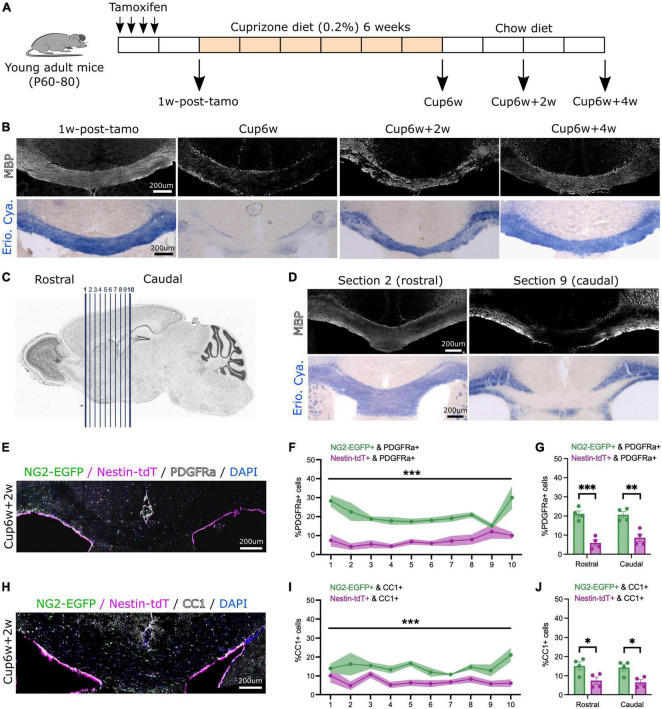
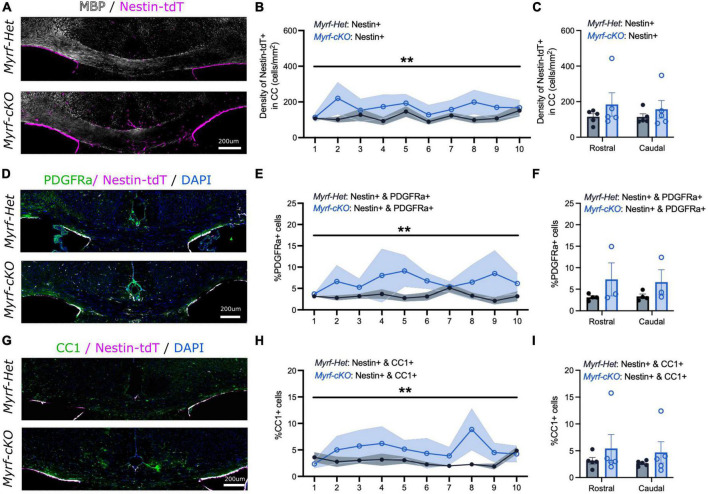
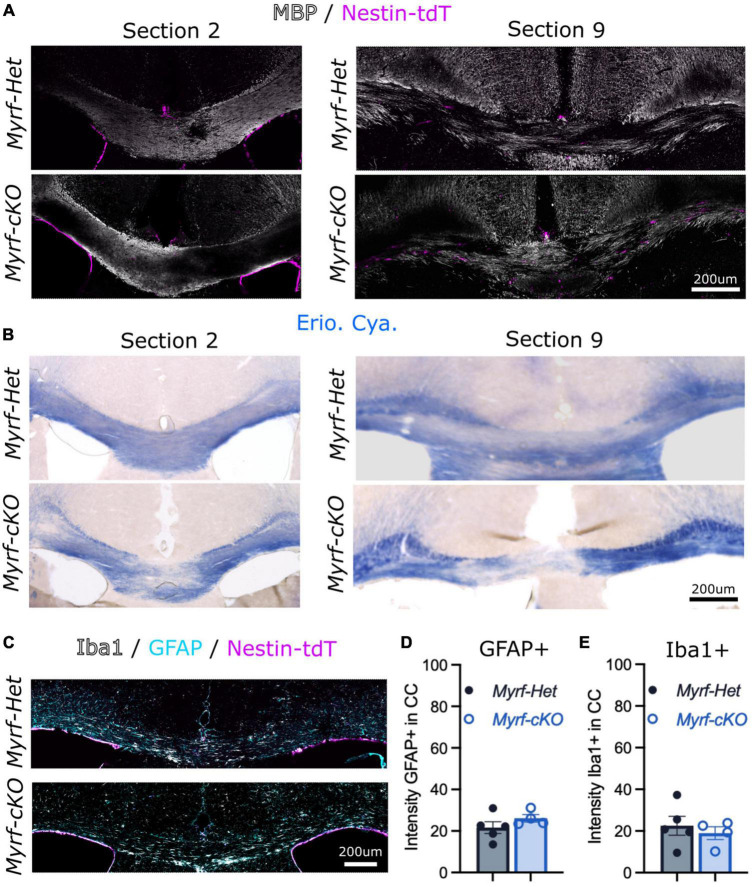
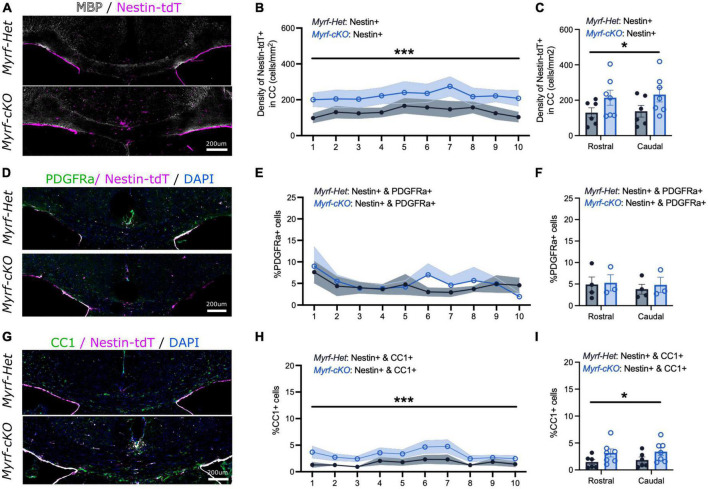
A major therapeutic goal in demyelinating diseases, such as Multiple Sclerosis, is to improve remyelination, thereby restoring effective axon conduction and preventing neurodegeneration. In the adult central nervous system (CNS), parenchymal oligodendrocyte progenitor cells (pOPCs) and, to a lesser extent, pre-existing oligodendrocytes (OLs) and oligodendrocytes generated from neural stem cells (NSCs) in the sub-ventricular zone (SVZ) are capable of forming new myelin sheaths. Due to their self-renewal capabilities and the ability of their progeny to migrate widely within the CNS, NSCs represent an additional source of remyelinating cells that may be targeted to supplement repair by pOPCs. However, in demyelinating disorders and disease models, the NSC contribution to myelin repair is modest and most evident in regions close to the SVZ. We hypothesized that NSC-derived cells may compete with OPCs to remyelinate the same axons, with pOPCs serving as the primary remyelinating cells due to their widespread distribution within the adult CNS, thereby limiting the contribution of NSC-progeny. Here, we have used a dual reporter, genetic fate mapping strategy, to characterize the contribution of pOPCs and NSC-derived OLs to remyelination after cuprizone-induced demyelination. We confirmed that, while pOPCs are the main remyelinating cells in the corpus callosum, NSC-derived cells are also activated and recruited to demyelinating lesions. Blocking pOPC differentiation genetically, resulted in a significant increase in the recruitment NSC-derived cells into the demyelinated corpus callosum and their differentiation into OLs. These results strongly suggest that pOPCs and NSC-progeny compete to repair white matter lesions. They underscore the potential significance of targeting NSCs to improve repair when the contribution of pOPCs is insufficient to affect full remyelination.
在脱髓鞘疾病(如多发性硬化症)中,一个主要的治疗目标是促进髓鞘再生,从而恢复有效的轴突传导并预防神经退行性变。在成体中枢神经系统(CNS)中,实质少突胶质前体细胞(pOPCs)以及在较小程度上,脑室下区(SVZ)中预先存在的少突胶质细胞(OLs)和由神经干细胞(NSCs)产生的少突胶质细胞能够形成新的髓鞘。由于神经干细胞具有自我更新能力以及其后代能够在中枢神经系统内广泛迁移,神经干细胞代表了另一种髓鞘再生细胞来源,可作为补充pOPCs修复作用的靶点。然而,在脱髓鞘疾病和疾病模型中,神经干细胞对髓鞘修复的贡献不大,且在靠近脑室下区的区域最为明显。我们推测,神经干细胞来源的细胞可能与少突胶质前体细胞竞争以重新髓鞘化同一轴突,由于pOPCs在成体中枢神经系统中广泛分布,其作为主要的髓鞘再生细胞,从而限制了神经干细胞后代的贡献。在此,我们使用了双报告基因、遗传命运图谱策略,来表征pOPCs和神经干细胞来源的少突胶质细胞在铜螯合剂诱导的脱髓鞘后对髓鞘再生的贡献。我们证实,虽然pOPCs是胼胝体中主要的髓鞘再生细胞,但神经干细胞来源的细胞也被激活并募集到脱髓鞘病变部位。通过基因手段阻断pOPC分化,导致募集到脱髓鞘胼胝体中的神经干细胞来源的细胞显著增加,并分化为少突胶质细胞。这些结果强烈表明,pOPCs和神经干细胞后代竞争修复白质损伤。它们强调了在pOPCs的贡献不足以影响完全髓鞘再生时,靶向神经干细胞以改善修复的潜在重要性。