Department of Pharmacy, Taichung Tzu Chi Hospital, Buddhist Tzu Chi Medical Foundation, Taichung, Taiwan.
School of Pharmacy, China Medical University, Taichung, Taiwan.
BMC Cancer. 2023 Feb 13;23(1):151. doi: 10.1186/s12885-023-10623-w.
This retrospective cohort study examined the impact of tetracyclines (TCs) and proton pump inhibitors (PPIs) alone or in combination on the efficacy of epidermal growth factor receptor tyrosine kinase inhibitors (EGFR-TKIs) in patients with non-small cell lung cancer (NSCLC).
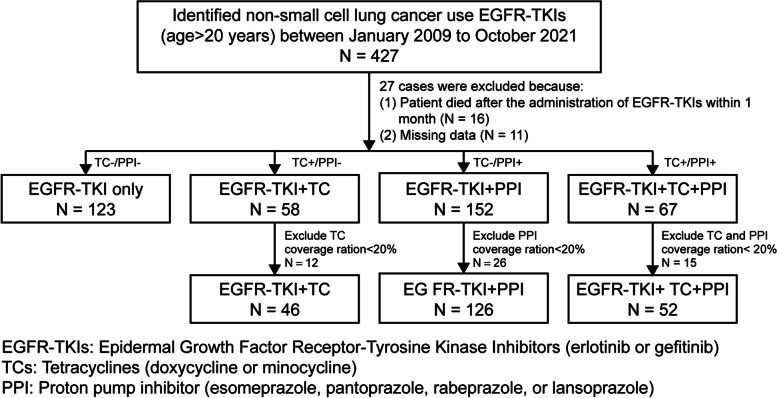
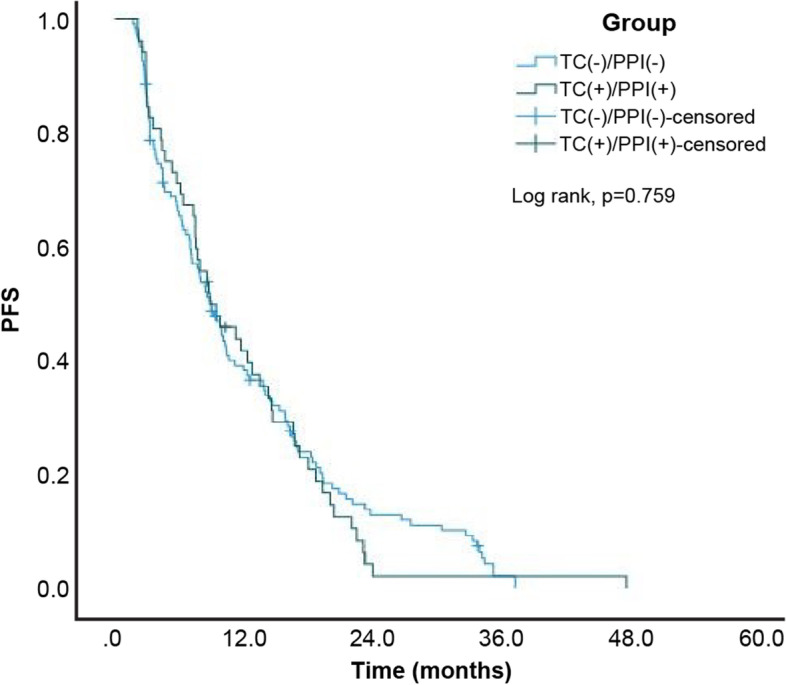
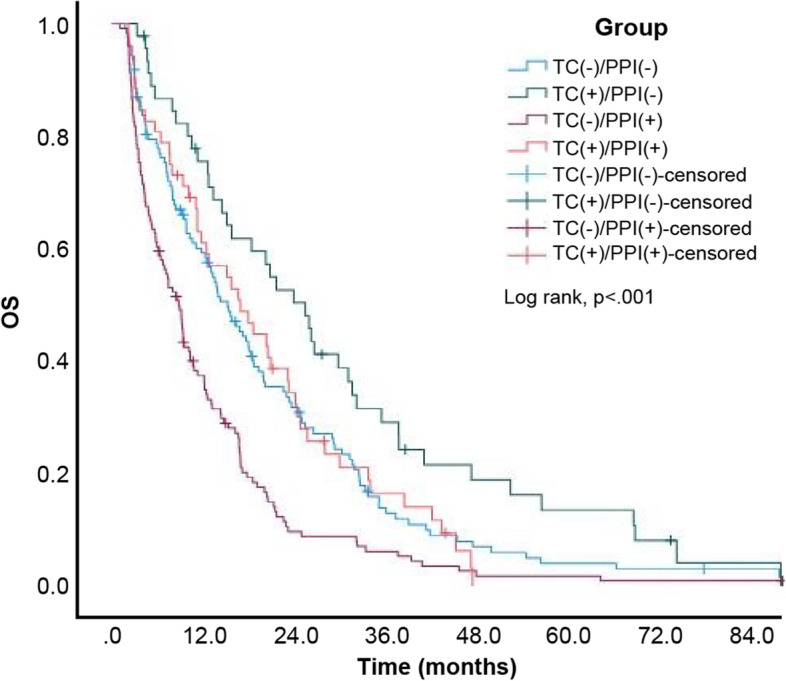
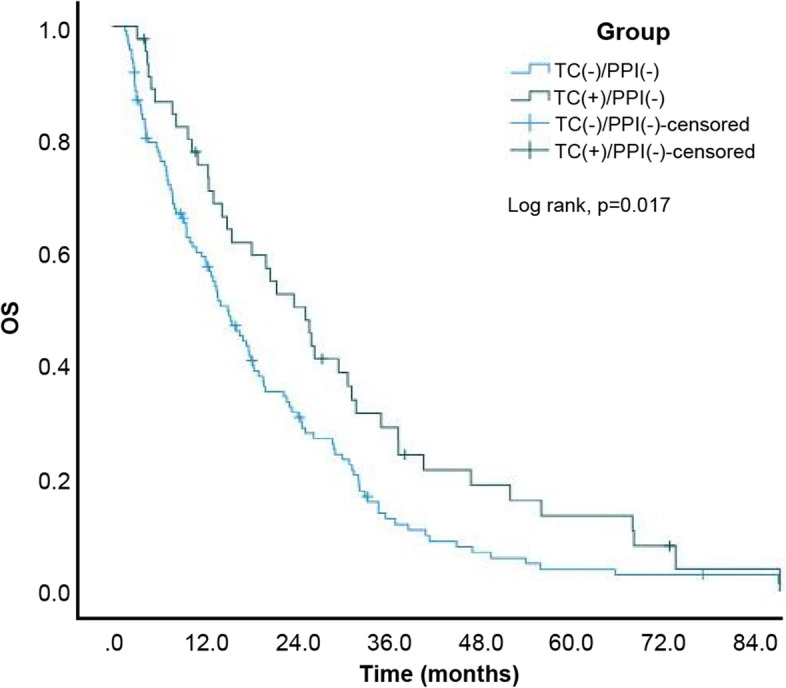
Patients with NSCLC treated with gefitinib or erlotinib for at least 1 week between January 2009 and October 2021 were enrolled and divided into four groups based on the presence/absence of TC and/or PPI in the therapeutic regimen: TC-/PPI-, TC + /PPI-, TC-/PPI + , TC + /PPI + . Progression-free survival (PFS) and overall survival (OS) were the primary and secondary endpoints, respectively.
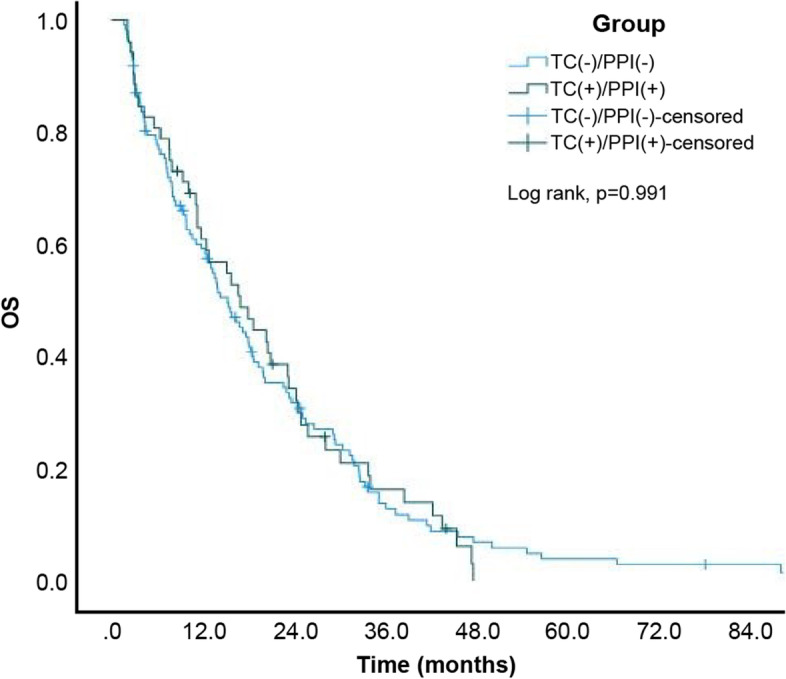
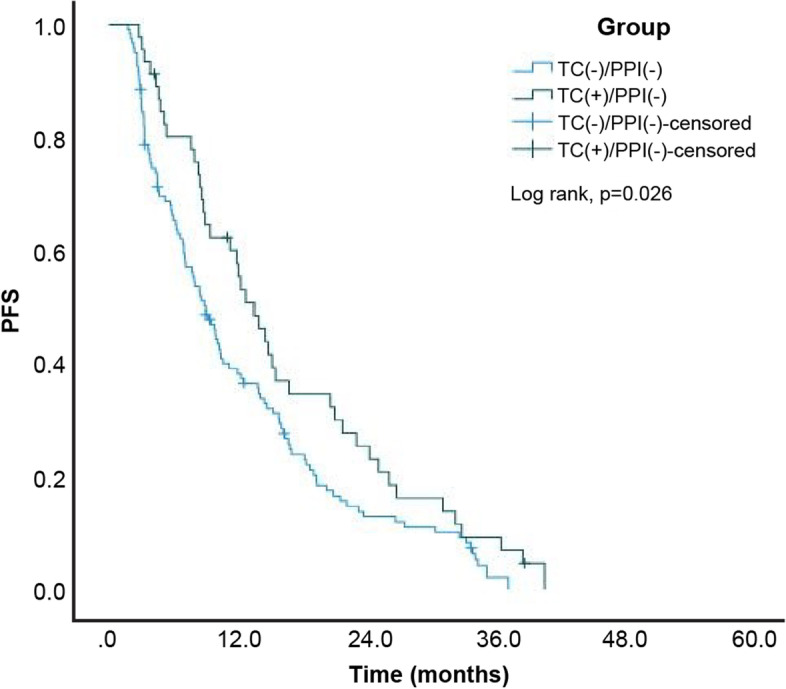
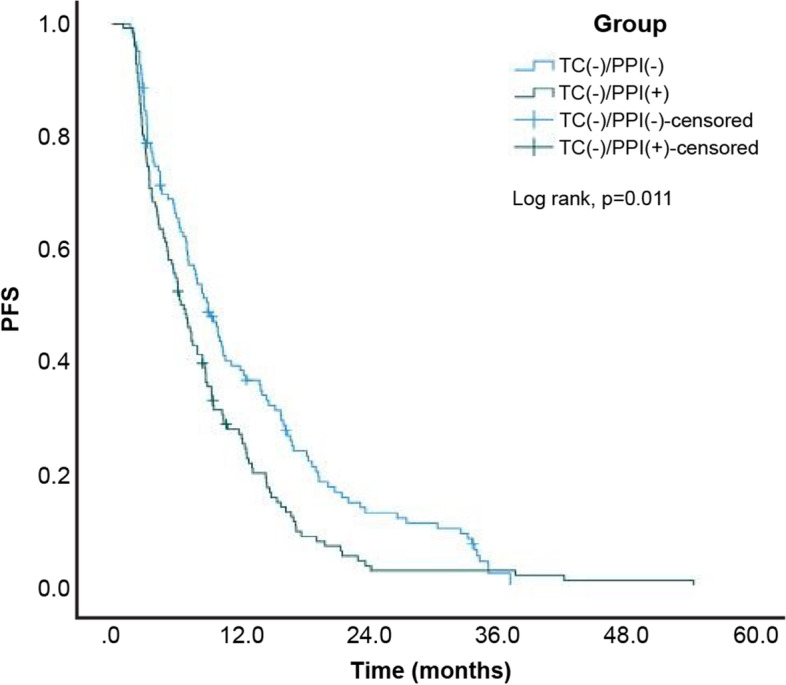
The estimated median PFS and OS of 347 included patients with NSCLC were 8.57 (95% confidence interval [CI]: 7.66-9.48) months and 13.10 (95% CI: 11.03-15.17) months, respectively. Co-administration of EGFR-TKIs with PPIs decreased the PFS and OS, while that with TCs improved the PFS and OS. However, the concomitant use of EGFR-TKIs, TCs, and PPIs yielded survival rates similar to that of EGFR-TKI therapy alone.
The administration of EGFR-TKIs with other drugs poses a challenge in managing patients with NSCLC. Therefore, reassessing the indications and necessity of TC or PPI therapy is essential for patients receiving erlotinib or gefitinib. The benefits and risks of possible discontinuation due to the clinical relevance of this interaction should be considered.
本回顾性队列研究探讨了单独使用或联合使用四环素类药物(TCs)和质子泵抑制剂(PPIs)对表皮生长因子受体酪氨酸激酶抑制剂(EGFR-TKIs)治疗非小细胞肺癌(NSCLC)患者疗效的影响。
纳入 2009 年 1 月至 2021 年 10 月期间至少接受过 1 周吉非替尼或厄洛替尼治疗的 NSCLC 患者,并根据治疗方案中是否存在 TCs 和/或 PPIs 将其分为四组:TC-/PPI-、TC+/PPI-、TC-/PPI+、TC+/PPI+。无进展生存期(PFS)和总生存期(OS)分别为主要和次要终点。
347 例 NSCLC 患者的中位 PFS 和 OS 估计值分别为 8.57(95%置信区间[CI]:7.66-9.48)个月和 13.10(95%CI:11.03-15.17)个月。EGFR-TKIs 联合 PPI 治疗降低了 PFS 和 OS,而联合 TCs 治疗则改善了 PFS 和 OS。然而,EGFR-TKIs、TCs 和 PPIs 的联合使用并未带来与 EGFR-TKI 单独治疗相似的生存率。
在管理 NSCLC 患者时,EGFR-TKIs 联合其他药物的应用带来了挑战。因此,对于接受厄洛替尼或吉非替尼治疗的患者,重新评估 TC 或 PPI 治疗的适应证和必要性至关重要。应考虑因这种相互作用的临床相关性而可能停药的获益和风险。